Full article about São Brás e São Lourenço
Granite portals, peppery olive oil and 1,629 souls: the Alentejo parish Elvas forgot
Hide article Read full article
Two Saints, One Quiet Afternoon
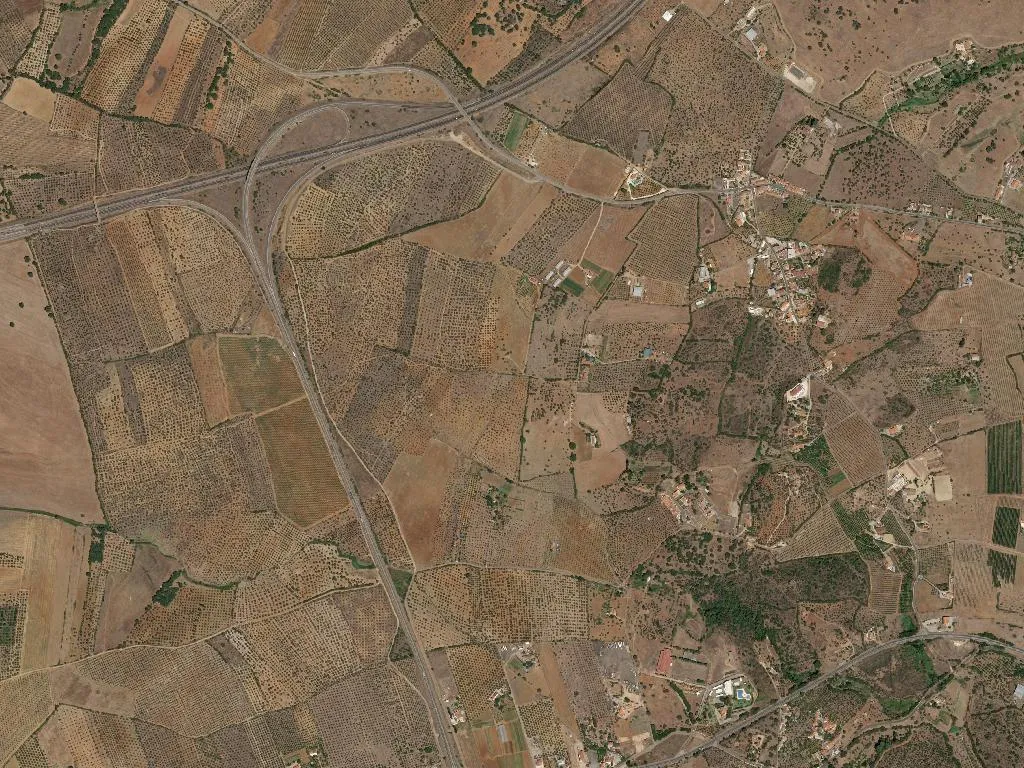
The whitewash turns butter-yellow as the sun slips west. Footsteps ricochet off irregular cobbles in São Brás e São Lourenço, then vanish into the thick Alentejo hush. At 374 m the parish inhales slowly, calibrated to the metronome of wheat and olive seasons rather than any clock.
A medieval merger
The 1930s fusion of two parishes stitched together ecclesiastical fabrics woven since the 13th century. Preceding both, the field name Varche—Arabic bar sh’ra, “plain of cereal”—survives in local road signs, a reminder that ploughs were here before Portuguese crusaders. When Elvas, eight kilometres away, demanded grain for its star-fort garrisons, these fields supplied the garrison town; when war receded, they simply kept supplying bread.
Stone, lime and olive oil
Five listed monuments anchor the landscape, three nationally significant. Granite portals and schist doorframes are stitched together with chalk-bright lime: the same triad you’ll taste later in a spoonful of peppery Azeite do Norte Alentejano DOP sold at the Lagar de São Brás (€8 a litre, knock on the blue door). The twin churches open only for 7.30 a.m. Sunday mass; otherwise appeal to Dona Odete in the house hard-left of São Brás’ porch—she keeps the key between flowerpots.
Provisions worth the suitcase space: candied Ameixa d’Elvas DOP (€12/kg at Saturday’s market), briny Elvas table olives (€4/500g at the farmers’ co-op) and Mestiço de Tolosa IGP cheese, available only when the travelling cheesemaker parks his van on Wednesday mornings opposite the war memorial.
Breathing room
Population 1,629, density 34 souls per km²—numbers that translate into audible silence. Eleven restored farmhouses operate as guest accommodation (€60–120, no online booking, phone the council notice-board numbers). By noon even the dogs retreat indoors; at five o’clock chairs migrate to doorways, cards are shuffled, and the Cruzeiro café pulls its first evening bica (60 ºc, drunk in three sips). The single restaurant, A Parreira, fires its bread oven only at weekends—reserve when you pick up your olive oil.
Dusk is announced by a single church bell whose bronze wave rolls across the olive terraces and loses itself in the warm air. No urgency in the toll—only the gentle confirmation that one slow day has folded into the next, wood smoke drifting from chimneys as the first logs catch.