Full article about São Matias: Whitewashed Nisa village where springs sing
Sip granite-cold water, taste thistle-set Nisa cheese, hear cork oaks rustle above schist cottages
Hide article Read full article
The white flare of noon
Midday sun strikes the whitewash of São Matias’ parish church and ricochets into your eyes like a camera flash. In Monte Claro’s tiny square the village fountain keeps its steady score—water slipping down the stone spout into the trough, the same note I’ve heard since before I knew what hearing was. My grandmother said the spring was “improved” in the 1950s; to me it has always simply existed, cold water drumming on granite even when August scorches the cobbles. Around the font, schist cottages press shoulder-to-shoulder as though bracing against the wind. There is no café—the last one shuttered when António left for the Lisbon metro—and no traffic hum. Only the cork oak montado advancing from the ridge, wind turning among the trees, and that unforgiving Alentejo light.
Written in stone
The hamlet only became São Matias in 1936. Before that it answered to Caixeiro, a name that still slips out when the old forget the rebranding. Locals claim it derives from caixaria, the common ground where pigs once foraged. The present church is late-19th-century, modest, aware that people prayed on this knoll long before its walls went up. The tower once lacked a bell; fieldworkers were summoned by a hunting horn. Beside the nave, the village spring still earns its keep—filling plastic bottles, rinsing laundry, soaking tired feet. On blistered afternoons I still drink from it cupped-hands, the way children are taught here.
Cheese, olive oil and daily flavour
São Matias’ cooking makes no parade of itself. It happens behind closed doors: the hiss of tomato meeting hot olive oil, the sigh of an egg poaching in açorda broth. When winter bit, my mother stewed lamb with home-grown peas; the animal had grazed in the paddock that backed onto our kitchen. Queijo de Nisa—fat, thistle-set disks with DOP protection—travels to the fields in tin lunchboxes, appears at Sunday lunch when the priest visits, is sliced behind cork oaks for secret snacks. In January the smokehouse fills with chouriços scented by wild-olive wood. Pumpkin filhós are fried in oil Joaquim barters, five-litre demijohns swapped for lambs.
Stream, valley, hush
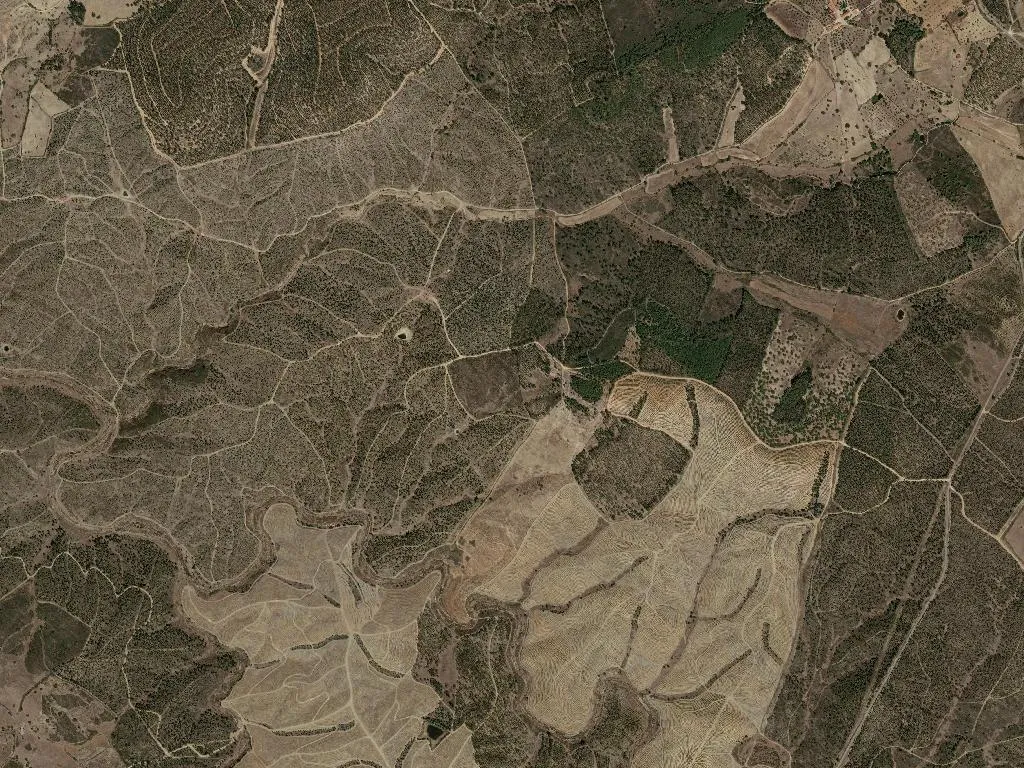
All 54.66 square kilometres of the parish fit inside my head. The stream rises where João swears he saw a badger—doubtful, but never disproved. There are no way-marked trails, only foot-worn paths: the one from Monte Claro to Chão da Velha slips past my grandfather’s olive, past the flat rock where we shelled pine nuts, past the spot Silvestre found a long-eared owl’s nest. At the ridge, Pedra da Velha stands like a weathered throne; from there I’ve watched the Serra de São Mamede a thousand times, never the same twice. The silence is so dense it feels like pressure on the eardrums.
The light that stays
When late afternoon sets the schist walls alight and the sun rakes across the slopes, São Matias reveals itself: not in census numbers—we are 197 and falling—but in the olive tree planted the year I was born, in the cheese still made to my great-grandmother’s rhythm, in the water-song that once lulled me to sleep. Visitors arrive looking neither for museums nor monuments; they come for the place where time cracked and never quite sealed itself whole again.