Full article about Tolosa: Cheese Scented Village of Portalegre
Follow your nose to thistle-rennet wheels, olive-oil tastings and slate-walled vineyards in Naturtej
Hide article Read full article
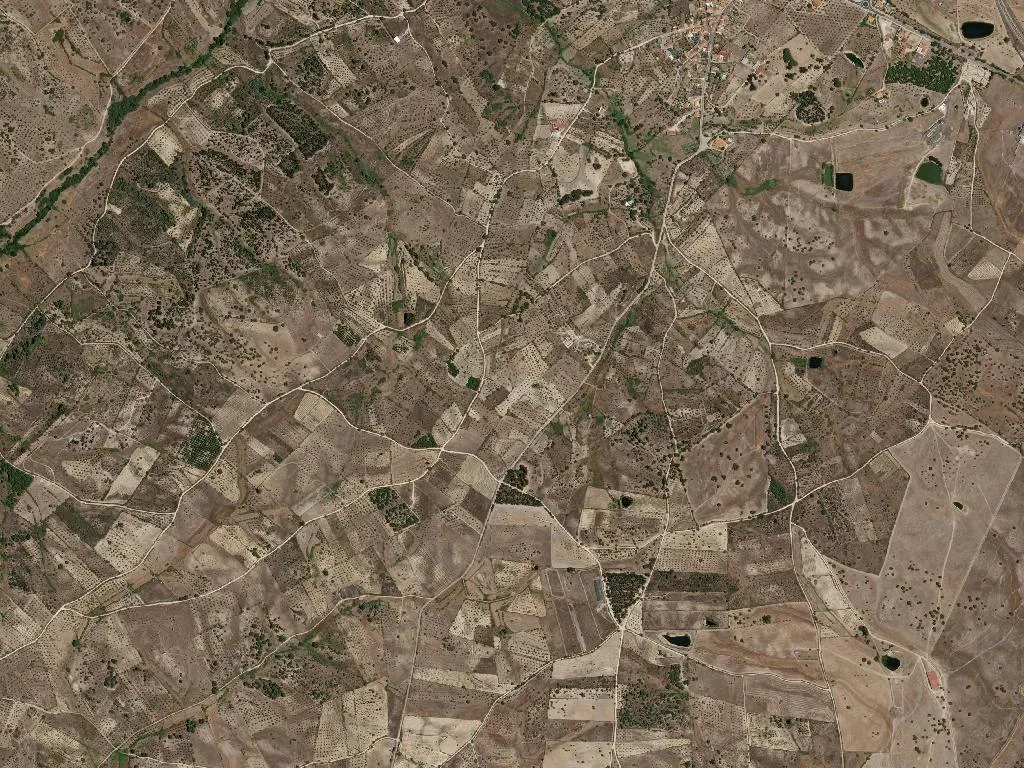
The scent hits you first. Half a mile before any roofline appears, the air turns sharp and milky—an unmistakable tang of thistle-rennet cheese drifting uphill on a ribbon of warm shale. Between olive groves that look like bonsai gone feral and low vineyards drawn with set-square precision, Tolosa announces itself to the nose, not the eye.
At 277 m above sea level, the parish sits on the southern edge of the Iberian Meseta, a landscape of cork and holm oak whose trunks have been charcoal-sketched by centuries of heat. The soil is thin, a skin of grit over sheet-rock; agriculture here is a protracted negotiation with geology. The settlement’s reply is Queijo Mestiço de Tolosa IGP, a saffron-coloured, semi-soft ewe’s-milk cheese coagulated slowly with dried thistle stamens. To taste it at source, reach Queijaria da Fátima by 7 a.m.; the door stays open only until the last wheel is sold, and card machines are regarded as suspiciously Lisboetan. Inside whitewashed curing rooms, cheeses rest on rough pine shelves, developing the gentle acidity that separates them from their sturdier cousin, Queijo de Nisa DOP, made in the same micro-basin.
Stone & flavour
Tolosa lies within the Naturtejo Geopark, where slate breaks through the surface in shark-grey plates and dry-stone walls braid the slopes. The climate is Mediterranean with Continental insistence: dense, oven-dry summers when midday silence seems to have mass, and brief winters that flicker the pasture green for a fortnight. Ancient olive trees—some with cavities large enough to hide a shepherd—produce the thick, emerald-gold oil that carries the Norte Alentejano DOP label. At Lagar do Zé on the road out to Montalvão, new oil is poured over coarse bread and crystals of sea salt; bring your own bottle—plastic turns the flavour metallic. The third side of the local gastronomic triangle is wine: vines of Trincadeira, Aragonez and Moreto cover the neighbouring estates, and a clutch of farm-based wineries will open bottles if you telephone ahead.
Tracks through the cork belt
Footpaths leave the village under a lattice of oak canopies, rising to improvised bird hides. The Alentejo montado is breeding territory for azure-winged magpies, great bustards and Spanish imperial eagles that circle on thermals like slow punctuation marks. The granite slab at Serra da Malcata gives the best raptor theatre, but be there before 9 a.m.; after that the heat shimmers everything into mirage. Cowbells echo from invisible flocks, and the population density—34 souls per km²—means sightlines finish on distant ridges, not on concrete.
Tolosa’s 811 residents include 348 aged over 65; demography dictates tempo. Dona Alice’s grocery unlocks at 8 a.m., closes for lunch, reopens at 2.30 p.m. and finally shuts when conversation dries up. “We keep our own timetable,” she shrugs. Only 59 children under 14 remain—just enough to keep the primary school breathing and to ensure the slap of footballs still ricochets between single-storey houses.
Latin roots and vineyard arithmetic
The name probably derives from the Latin “tolosum”, a small rise; walk from Rua de Baixo to Rua de Cima and the burn in your calves confirms the etymology. Medieval land charters tied the parish to cereal and vine, cultures that shaped both architecture and slang. Three listed monuments—two National, one Public Interest—stand as footnotes to a settlement that has spent centuries trading hardship for sustenance with the same unyielding slate.
Evening slants honey-coloured light across the vineyards; inside the cool dairies, cheeses wait for tomorrow’s customers. Tolosa reveals itself slowly, slice by slice, sip by sip—landscape as tasting menu, best consumed while the thistle rennet is still warm between your fingers.