Full article about Galveias: Alentejo Dawn on 18th-Century Cobbles
Galveias, Ponte de Sor—wood-fired flatbread scent, lone listed church and cork-lined trails where wild boar roam at dusk.
Hide article Read full article
The flatbread cools on the café’s marble counter, its crust still carrying the scent of the wood-fired oven. Dawn in Galveias is slow and lucent; low Alentejo light slips through the open door and prints white rectangles on the mosaic floor. Outside, in Praça da República, a 1787 stone cross throws a stub of shadow across uneven cobbles. The Latin inscription has been rubbed featureless by centuries of palms—pausing to pray, or simply to breathe before moving on.
Only 1,022 people live here, yet until 1836 Galveias was a fully-fledged municipal seat with its own town hall and jail. The eighteenth-century façade of that former câmara still faces the square—today it dispenses espresso and gossip instead of edicts. The place-name first surfaces in a 1257 royal charter as “Gallveas”, borrowed from the medieval given name Galvão or Galveio, probably the Leonese knight granted these rolling plains that rise from 140 m to 240 m above sea level. A coat-of-arms stone beside the mother church keeps the lineage alive.
The county’s only listed building
Igreja da Nossa Senhora da Assunção lifts its mannerist bulk above the square, 16th- or 17th-century bones clothed in a gilded baroque retable. Seventeenth-century azulejos—blue and white story-tiles—run the length of the nave in neat geometric frames. Together with the stone cross and the converted town hall, the ensemble was classified in 1978 as the sole Imóvel de Interesse Público in the entire municipality of Ponte de Sor. The citation praised the rare equilibrium of sacred and civic, lime-wash and granite, memory and mortar.
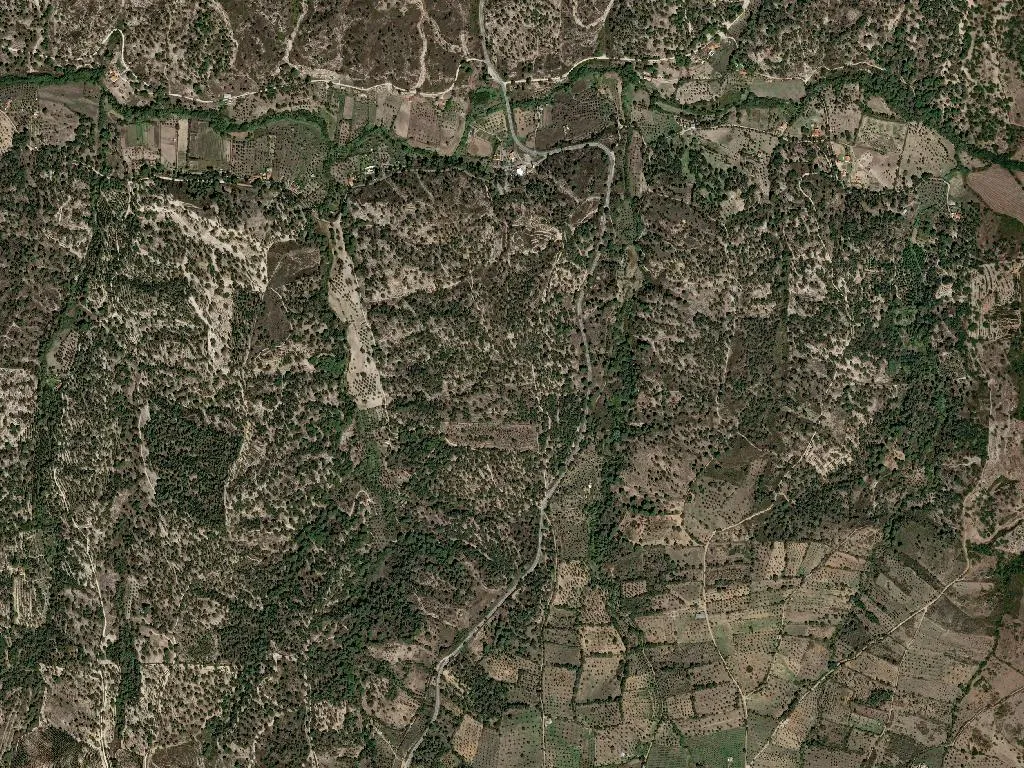
Five kilometres north, the hamlet of Aldeia de João Pires keeps its own chapel of São Brás company under the cork canopy. Single-nave, cornice belfry, silence thick enough to hear the wind comb the holm oaks. Beyond, the land ripples gently toward the Serra de São Domingos, where acorn-fed wild boar begin their dusk circuits.
A landscape re-engineered
In the 1940s the Vale do Gaio dam flooded 400 ha of prime farmland—some of the best wheat terraces in Lower Alentejo vanished beneath the reservoir. Smallholders emigrated to Lisbon or the colonies; the abandoned wind-towers still dot the skyline like exclamation marks. What remains is a 200 ha mirror ringed by stone pines, now patrolled by kayakers and the slow ballet of grey herons. The Rota dos Açudes footpath runs eight kilometres from village to dam, threading past medieval weirs where the Sor stream mutters between ash and poplar.
Tastes that survived the water
Cooking here starts with Alto Alentejo olive oil and certified Alentejano pork. Summer lunch is chilled tomato soup punched with poached eggs, served in clay bowls. On Easter Sunday the Encontro de Compadres procession—Christ meeting the Virgin in the square—ends with kid goat roasted over carob wood. August’s parish festival demands lamb stew sharpened with fresh mint. Mestiço de Tolosa cheese, raw ewes’ milk with a bloomy rind, is still ladled in small family dairies; it wants a spoon of fig jam or rosemary honey. Finish with queques de Galveias—feather-light lemon-scented buns—or pre-Lent coscorões fried in green-gold oil.
Masks, midsummer fires and a cheese fair
Carnival Saturday unleashes caretos de lata, tin-masked troupes who rattle old cans to concertina riffs, the metallic beat ricocheting between whitewashed walls. On St John’s Eve villagers leap bonfires barefoot for luck. In even-numbered years the Feira do Queijo e do Pão revives the medieval monthly market: wicker baskets, crusty loaves and argumentative sunlit conversations fill the square again.
Late afternoon, wheat stubble turns to bullion and the cork oaks glow like newly-minted pennies. The 1787 cross reclines in elongated shadow, its Latin now illegible, still registering every arrival—those who prayed, those who left, those who decided to stay.