Full article about Figueiró: Stone Lanes, Chestnut Stakes & Vinho Verde Mist
Walk granite hamlets where Maronesa beef cures, dark-amber Minho honey glows and lemon-scented Vinho Verde is tapped straight from the vat.
Hide article Read full article
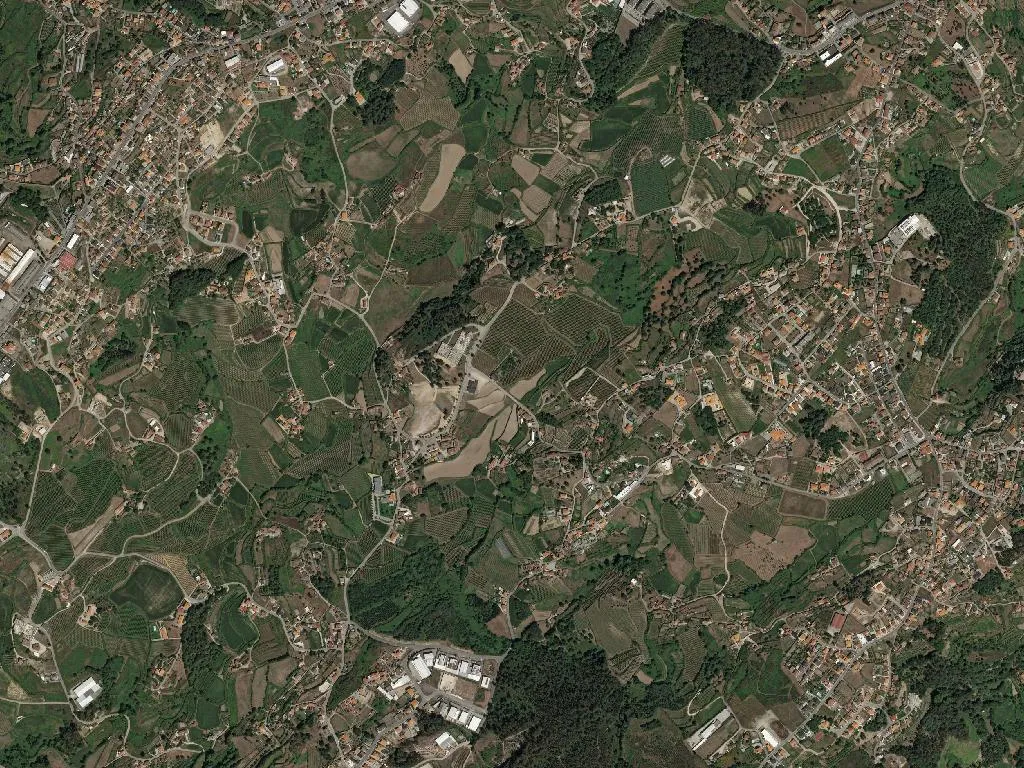
The granite darkens with every Atlantic front that rolls in. At 370 m the terraces still run with timber pergolas—rough-hewn chestnut stakes, never wire—training the vines that will become light, lemon-scented Vinho Verde. Between scattered houses the Correia stream slips down to join the Tâmega, and the air carries the permanent perfume of someone’s hearth.
Between stone walls and vine rows
Eight square kilometres, 3,634 souls, yet only half live in the small service village of Figueiró; the rest are sprinkled across thirty hamlets with names even Google mispronounces. Houses are built shoulder-to-shoulder, gables turned squarely south to shut out the Minho rain. On the threshing floors corn cobs dry until October; in the communal press vats the new wine fizzes in concrete tubs, meant to be drunk within six months—ideally with rojões (paprika-spiced pork) or the salt-cod trucked in from the Continente hypermarket up the road in Amarante.
Demographics tell their own story: 739 residents are over sixty-five; just 453 are children. Both primary schools closed in 2012. Only two village grocers survive—one in Figueiró, one in Santiago. The café on the diminutive praça opens at seven, dispensing 60-cent espressos; on Wednesdays three vegetable stalls and a fishmonger constitute the weekly market.
A landscape you can taste
Carne Maronesa DOP comes from the mahogany-coloured cattle you will meet on the upper pastures. Slaughtered between September and December, the beef appears in Amarante butchers at €12–14 a kilo; Silva’s, operating since 1978, still keeps a waiting list for the best joints.
Honey from the Minho Highlands DOP is easier to come by: twelve local beekeepers supply Santiago’s grocery, where 8 euros buys a kilo of dark-amber sweetness, or catch the producers themselves at Amarante’s Saturday market.
Walking to the sound of a single tractor
There is no tourist office, no brown sign, no roadside map. Walkers simply follow the CM1077 to Santiago, turn left after the cemetery onto a dirt lane, and continue four kilometres to the chapel of São Bento—five farmsteads, two potable springs, and Mr António’s tractor (eight o’clock, six o’clock; wave, he will stop).
Festivals are equally low-key. Santiago’s eve (24 July) brings a mass at eleven, followed by a €10 communal lunch on the football pitch; next day São Tiago is honoured with a four-o’clock procession and €2 sardines in the square.
At six the church bell strikes; wood-smoke rises straight into a still-bright sky. It is not silence—you will hear Zé’s tractor, Manuel’s dog, the crackle of logs—but rather a place that keeps time by the grape harvest and the autumn slaughter, not by the clock.