Full article about Fregim: Woodsmoke & Vinho Verde Above the Tâmega
Stone cottages, chestnut-smoked Carne Maronesa and low-trained vines share a granite ridge in Amaran
Hide article Read full article
Woodsmoke on the ridge
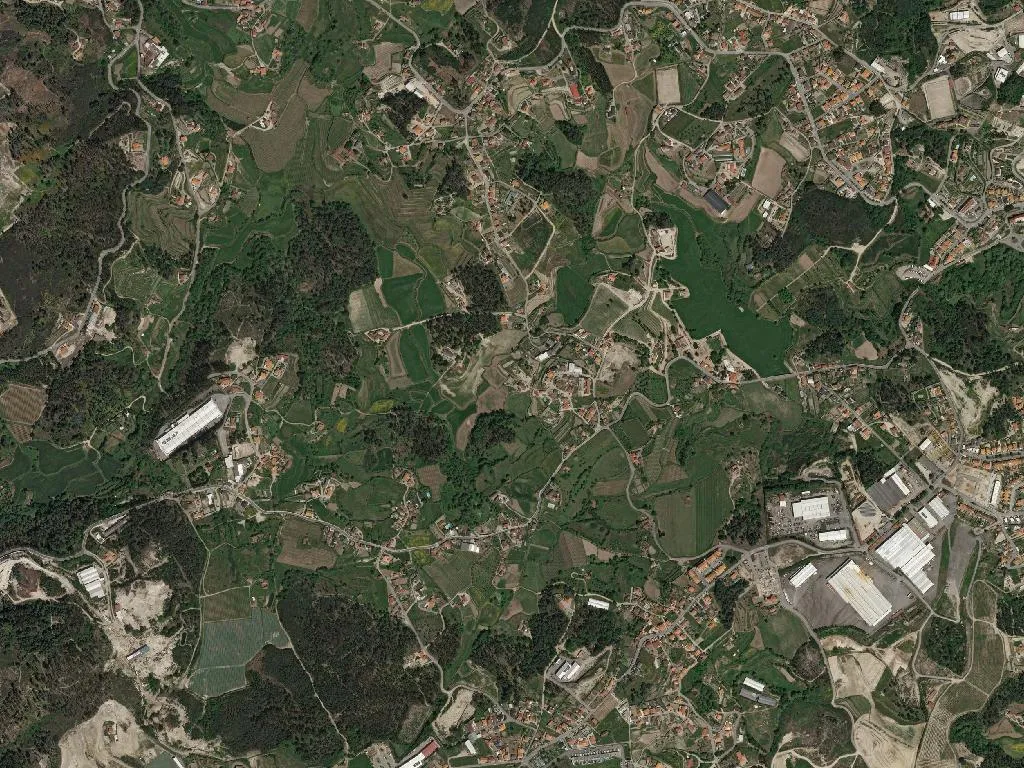
The scent of burning eucalyptus and pine drifts uphill long before the first slate roofs appear. Fregim clings to a 245 m shelf of granite above the Tâmega valley, its scatter of stone houses interrupted only by narrow strips of vines and the occasional smoker’s shed. Just over 2,700 souls share a little more than a thousand hectares; you can identify your neighbour’s laundry line, yet the morning still arrives in complete acoustic privacy.
Between vine and smokehouse
The vineyards climb in tight terraces, the vines kept deliberately low and tethered to chestnut stakes so Atlantic squalls can pass overhead. In the granite cellars the must ferments slowly, producing the local vinho verde that begs for salt-cod roasted with garlic and olive oil, or the pork-and-chestnut stew known as rojões. Hanging above the smokers’ hearths, Carne Maronesa DOP—meat from the autochthonous mountain breed—darkens for weeks until the lean muscle tastes almost of juniper and peat. It is finished over embers or simmered with potatoes and winter greens; no garnish necessary.
Up on the scrubby heath, hives work the brief bloom of heather and chestnut. The honey that emerges is the colour of burnt barley sugar and thick enough to stay where you spread it on warm rye, or dissolve like liquid sunlight into a glass of hot milk.
Demographic ballast
Of the 2,730 residents, 555 are over 65. They still prune in January, pick olives in November, slaughter the household pig in December. The village’s 383 children shuttle to secondary schools in Amarante and return for weekends of football on the small pitch behind the chapel. Apprenticeships endure: teenagers learn to recognise the particular ping of iron on the farrier’s anvil and to judge bread by the smell drifting from the communal oven.
Where to stay
Ten B&Bs—ranging from granite cottages to spare rooms in farmhouses—offer breakfasts of local honey and bread still warm from Fregim’s single bakery. There is no nightlife, no curated itinerary. You wake to fog unravelling across the Tâmega and a single dog barking half a mile away.
What lingers
Late afternoon, when low sun grazes whitewashed walls and hearth-smoke rises in perfectly vertical columns, Fregim reveals itself without theatre. The after-taste of Maronesa beef, the slow sweetness of heather honey, the sharp green of young wine—small sensory anchors that travel home in muscle memory rather than a suitcase.