Full article about Jazente
Above the Tâmega, Maronesa beef, dark heather honey and Vinho Verde age in sunken clay jars
Hide article Read full article
The morning belongs to the cows
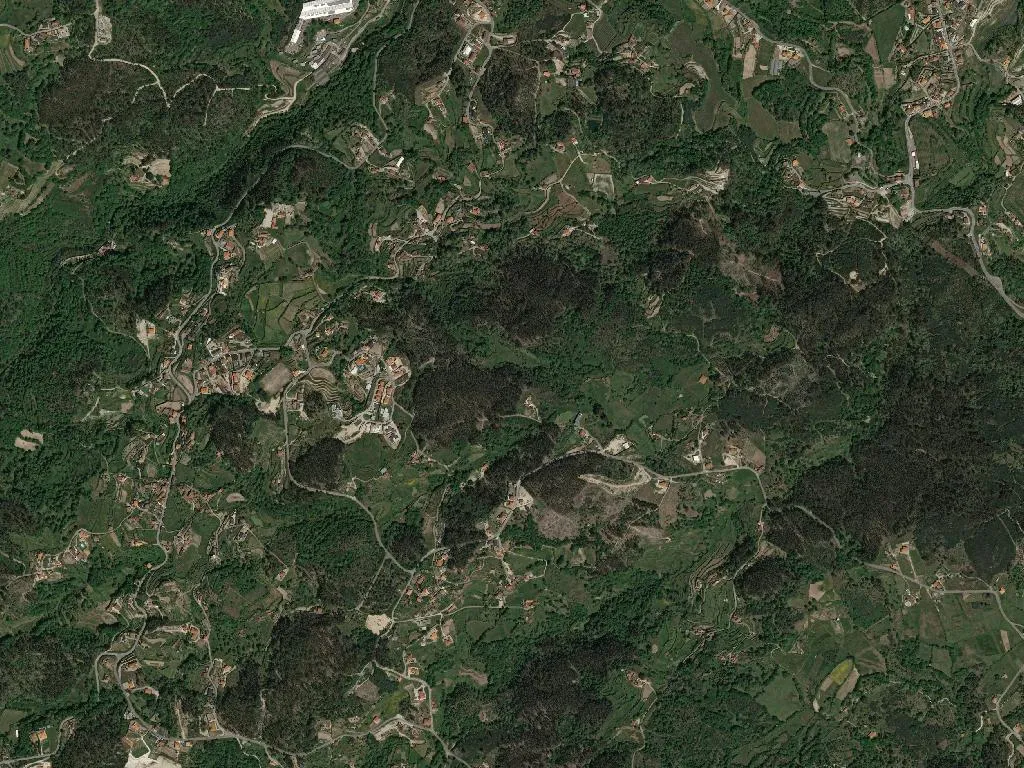
Cowbells reach the ear before the eye catches up: a low bronze jangle riding over the soft clip of hooves on single-track asphalt. At 376 m above the Tâmega valley, Jazente’s daily timetable is still written by its Maronesa cattle. They cross the lane when they please; no one beeps, everyone waits. The herdsmen call each animal by name and by the distinctive notch clipped into its ear.
Beef that earns its price
The village’s 517 residents hang their economy on Carne Maronesa DOP. Of the 171 locals past retirement age, most have never stopped tending stock. The beasts spend their days under oak and gorse; grain trucks never reach these fields. At the village butcher loin fetches €22–25 a kilo, chuck €18–20. The meat is deep-flavoured, the colour of garnet, and needs nothing more than salt and a hot grill.
Look for Mel das Terras Altas do Minho, the other protected product. Bees here work heather, chestnut and willow, giving a dark, thick honey with a bitter-herb finish that tastes like time measured in seasons, not seconds. If a jar appears on a windowsill, expect to pay €12–15 a kilo.
Vines that drink the fog
Jazente sits inside the Vinho Verde demarcation yet feels continental: blistering midday heat, nights that bite, soil that is almost pure granite. Loureiro, Arinto and Avesso hold their acidity, producing whites with a razor finish. In family cellars you may still find tulha—1 200-litre clay jars sunk into the earth. Fermenting in stone softens the edge and adds a dry, schistous whisper to the wine.
Stone geometry, sonic silence
Only 38 children under 14 remain. Holiday-makers can choose among four restored granite houses (€80–120 a night, firewood and balcony included). There are no booking platforms; telephone numbers are chalked on doors. Walk the narrow levadas and you’ll pass dry-stone terraces still planted with potatoes and maize. Walls absorb the sun by day and release it at dusk; when chimneys exhale, the air smells of oak smoke and drying corn. There are no viewpoints, no gift shops—just the hush broken each evening by the same echo of bells returning to the byre, a sound handed down for longer than anyone can recite.