Full article about Lomba
Granite terraces above the Tâmega where Maronesa cattle graze and bees flavour altitude honey.
Hide article Read full article
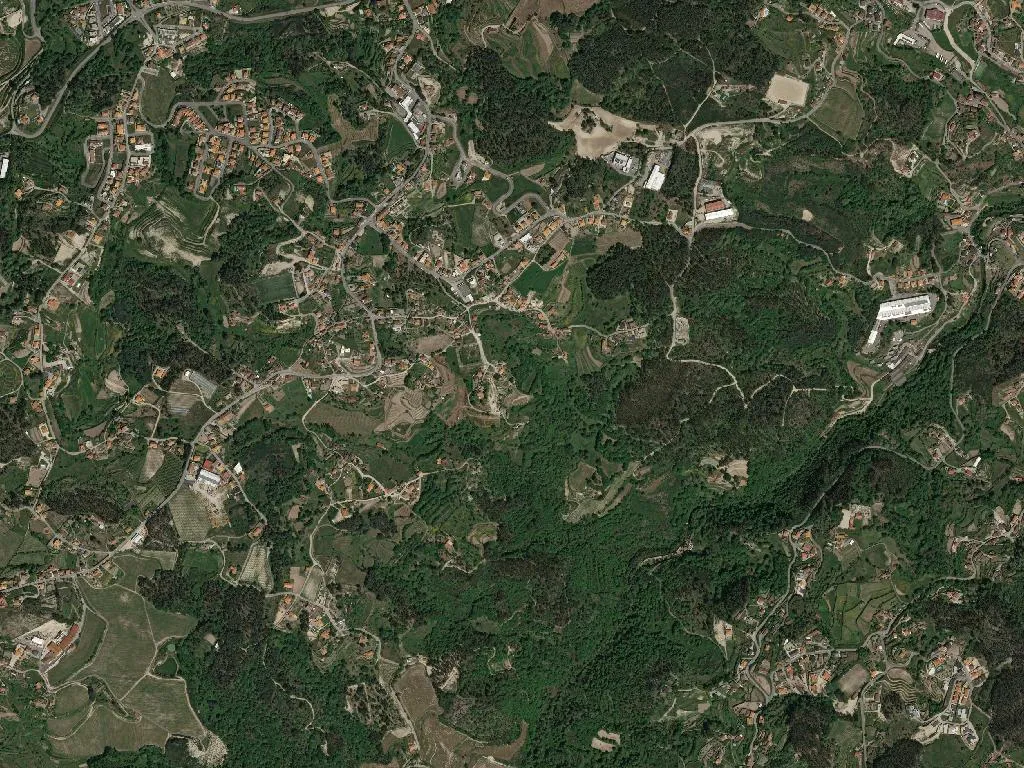
The scent of split oak arrives before the first rooftop does. At 269 m above sea-level, Lomba’s 820 inhabitants parcel out 362 ha of granite terraces between the Marão and the Tâmega valleys; they keep time by bee flight and know, to the gram, what a Maronesa beef haunch should weigh when it comes off the smoke-hook.
Cattle, bees and gravity-fed vineyards
With 225 residents per km², life here feels clustered at the centre yet stretched across the slopes. Caramel-coloured Maronesa cattle—native to the uplands of Minho and prized under the Carne Maronesa DOP—graze the gradient all summer, building the dark, fibrous muscle that will sweeten in the fumeiros. Inside the smoke-sheds, hooks of hand-bent iron disappear into soot-washed walls; haunches and morcelas dangle where the north wind can stroke them dry.
Parallel runs the apiary calendar. Between April and September heather, sweet chestnut and wild lavender colour the hills, giving the certified Mel das Terras Altas do Minho its burnt-amber density. Painted wooden hives stand in rows like small cottages; the afternoon mineral hush is scored only by their collective hum. Taste the honey blind and you’ll call it gorse and chestnut—flavours geography explains better than words.
The same terraces carry the high-acid, early-ripening grapes that earn the Vinho Verde label. Stainless or century-old chestnut, the fermentation vessel depends on which generation is in charge, but the serve is universal: a glass poured half-full, a faint spritz that slices the fat of smoked beef, no ceremony beyond a cotton tablecloth weighted with a jar of garden flowers.
Where to stay and how to eat
Beds number fewer than a dozen: two restored village houses and a guest room at an organic quinta—all booked by WhatsApp and long in advance. There are no restaurants. The bakery shuts when the last loaves leave at 11 a.m.; after that you knock on doors. Someone will always have a kid goat or a half pig ready to joint, and the parish council Facebook page will tell you whose orange trees are open for picking.
A quiet monumentality
Only one building enjoys official heritage listing—the 17th-century chapel of São João Baptista, its granite blocks the colour of weathered linen. Without a single signed viewpoint, Lomba scores a mere 35 Instagram geo-tags, yet texture abounds: viridian moss on dry-stone walls, the acid green of new vine leaf against whitewash, schist retaining walls holding centuries of slope in place. The primary school still rings a hand-bell for lessons; the summer festa gathers every age around a communal roast in the threshing square.
Echoes at day's end
Spectacle is not on offer. Instead, the valley repeats itself in reassuring cadence: the diesel note of the first tractor at seven, the Angelus bell at noon, wood-smoke signalling dinner while light drains from the ridgeline. When the sun slips behind Marão the hives fall silent, wax scent clings to work-warmed hands, and a dog barks once—twice—then thinks better of it. Lomba asks only that you notice the weight of real things: honey that took a season, beef that took two years, wine that refused to wait.