Full article about Louredo
Louredo village, Amarante, hides 630 souls, granite-walled vineyards and farm-gate tastings of DOP beef, heather honey and zesty Vinho Verde.
Hide article Read full article
Sound Arrives Before Sight
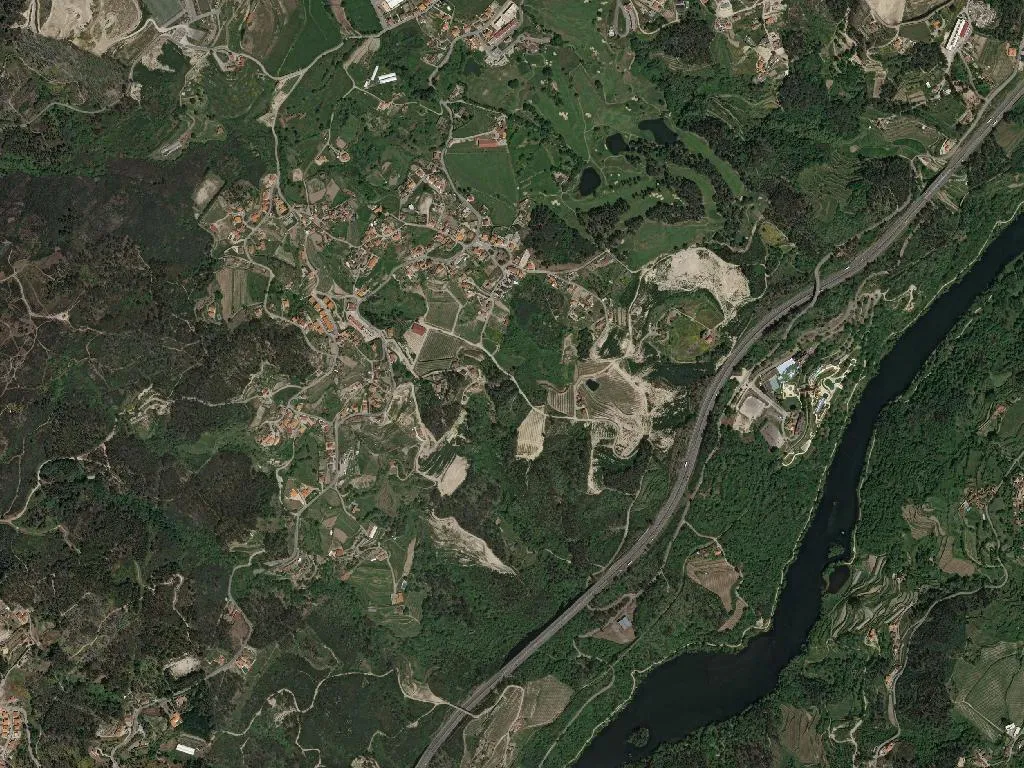
The basso bellow of a Maronesa cow rolls down the slope before you glimpse the animal itself; then comes the faint hiss of wind combing through the trellised vines, followed by a hush so complete it feels almost material. Louredo, 247 m above sea-level on the Tâmega valley floor, supports 630 inhabitants spread over barely 350 ha—about the size of London’s Hampstead Heath, but with cows instead of joggers.
Earth That Feeds, Earth That Certifies
Look for the DOP shield on the beef: it is taken from stock that has spent its life shuttling between chestnut groves and rye grass, building the marbling that makes Amarante’s butchers proud. The same smallholdings produce Mel das Terras Altas do Minho DOP, a honey flavoured by heather, wild lavender and whatever else survives the late-summer drought. The third leg of the parish tripod is Vinho Verde: the local Avesso and Azal vines are trained low so the big, soft leaves shade the clusters from the 40 °C glare. The resulting wine is faintly pétillant, bright enough to cut through fat steak and sweet honey in the same mouthful. There is no tasting lodge; you knock, you chat, someone wipes a glass on a tea towel.
Minho Without the Filters
Louredo is absent from the guidebooks for good reason: no romanesque bridge, no Instagram-ready miradouro, no festival listed in the regional calendar. Ageing is written into the statistics—112 residents over 65, only 82 under 14—and into the fields where the average farmer is past sixty. Centuries of hand labour have left no wilderness, just a functional patchwork of vineyards, cow pasture and postage-stamp vegetable plots bounded by granite slabs. The beauty is workaday: summer’s green vine canopies, autumn’s ochre soil, winter’s stone walls standing out like charcoal lines on wet paper.
Proximity as Resource
Amarante’s cafés, pharmacies and petrol stations are ten minutes away by the EN15; Louredo repays the city with certified beef, honey and grapes, then welcomes back urban refugees who want silence without forgoing Ocado deliveries. Tourism is still incidental: only one registered dwelling, no gift shop, no arrowed footpaths. Visiting means accepting the ordinary—watching cattle graze, tasting honey still warm from the centrifuge, walking a lane where the only traffic is a farmer on a quad bike moving irrigation pipe.
When the low sun ignites the Maronesa’s brown coat and the smell of warm earth blends with that of ripe grapes, Louredo stops being a destination and simply remains what it has always been: a place that goes on existing in spite of the world’s attention, not because of it.