Full article about Travanca: smoke, granite & Vinho Verde dawn
Travanca terraces vines over the Tâmega valley, curing Maronesa beef, ageing talha wine and scenting dawn with woodsmoke.
Hide article Read full article
Woodsmoke at Dawn
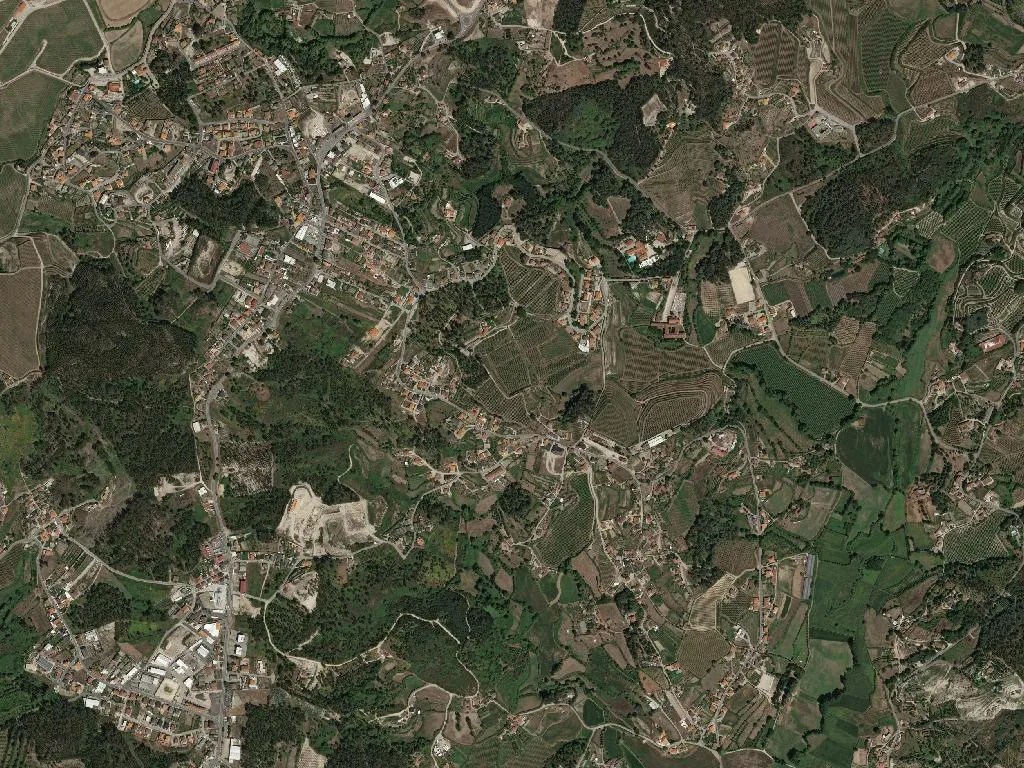
The scent of woodsmoke threads the air while the granite walls still hold last night’s damp. At 248 m above sea-level, Travanca terraces down the Tâmega valley in overlapping planes of vineyard and holm-oak green until the river seam is reached. Two thousand and twelve souls occupy eight square kilometres, gathered in hamlets whose signposts still read Lousada, Tourais, Outeiro de Cima — names older than the nation itself.
What the Place is Made of
The parish lies inside the Vinho Verde demarcation, and you taste it at once: vines are trained high on granite pillars and iron wire, forming shady tunnels where the soil stays cool even in August. Between the rows, meadow plots graze Maronesa cattle — the source of Carne Maronesa DOP, butchered only after the animals have browsed the oak scrub of the Serra de Santa Justa. Up on the moorland apiaries, bees work heather and chestnut to produce Mel das Terras Altas do Minho DOP, a honey that carries a faint peat note from the upland bogs.
The single National Monument is the thirteenth-century Igreja Paroquial de São Tiago; after 1835 the Romanesque doorway was narrowed to keep livestock out. Yet Travanca’s real continuity lives in its granite houses: schist trimmed with lime mortar, timber balconies where laundry is hung with mathematical precision, woodpiles stacked north–south so the prevailing wind dries them through. In every cellar, clay talhas from nearby Vilar de Nandes age the household wine, each pot inked with the year and the owner’s initials.
The Rhythm You See
Demographics are what they are: 235 children in the primary schools of Lousada and Tourais, 415 pensioners who meet in Café O Solar at 10 a.m. for a fierce round of sueca. At 230 inhabitants per square kilometre, neighbourliness is engineered into the fabric: vegetable gardens share walls, harvest festivals are timed to the twin feasts of Santo António and São João.
There are eight places to stay — three flats in the village core, five stone cottages on the quintas above Lousada — enough for travellers who prefer silence to credentials. The EN15 trunk road is two kilometres away; you reach Travanca on the CM1071 municipal lane that climbs from Amarante in twenty minutes. No queues, no pre-booking apps, just six-o’clock light sliding across the vines, chimney smoke rising straight, and the church bell that has struck the hour since 1892.
What Lingers
The kitchen larder is strictly local. Order grelhada de Maronesa at O Torgal and the beef arrives with a passport naming the pasture; Quinta da Tapada pours its loureiro into 200 ml glasses designed for midday refills; Dona Rosa fires corn-brood on Fridays, served with a spoon of her own heather honey. Nothing is “elevated”, everything is traceable — the kitchen treats provenance as a legal document.
When the valley lights begin to prick the dusk, Travanca keeps its cadence: granite thresholds wearing down a millimetre per generation, hearth smoke climbing in no hurry. People still live, plough and remain here — as if time itself decided that haste would be pointless.