Full article about Honey-Scented Hush of Baião’s Twin Parishes
Stone cottages, chestnut blooms and 132 beekeepers guard the soul of Santa Leocádia e Mesquinhata.
Hide article Read full article
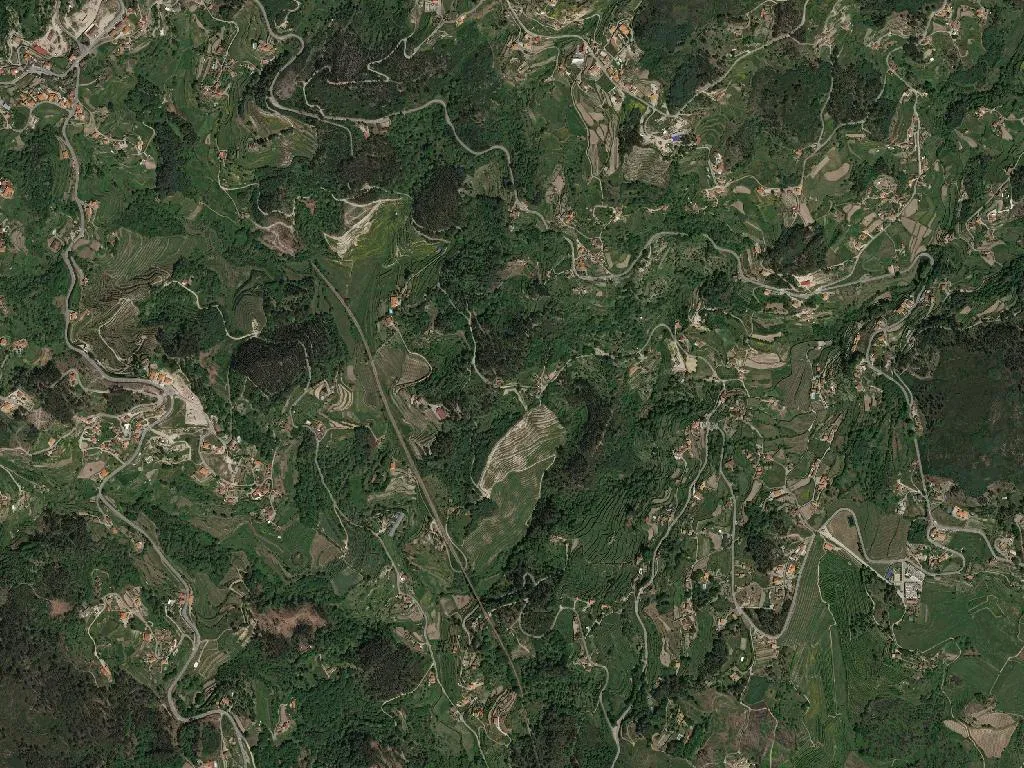
The church bell counts the hours, yet in Santa Leocádia e Mesquinhata the note travels cautiously, kneeling to every granite shoulder before it slips into the valley. Afternoon heat is stored inside the stone cottages and given back at dusk, when shadow razors slice straight through the orchards. Along the parish road the 222 curls like thrown ribbon, past smallholdings where beehives stand in disciplined constellations—wooden boxes facing south, shielded from the Atlantic wind by holm oak and chestnut.
Honey and stone: the quiet foundations
Mel das Terras Altas do Minho DOP is not a souvenir; it is the landscape poured. Bees work the flowering scrub, the centenary chestnuts of Vale de Juntas, the gorse that detonates yellow each April. In Café Olaria the honey meets rye bread from the wood-fired oven at Figueiró, tames the goat cheeses of Quinta da Padrela, sweetens January mornings when the Marão sends damp cold down the slopes. The Baião Beekeepers’ Co-operative, founded 1992, still counts 132 members—one of the few enterprises resisting the slow bleed: 731 residents at the last census, only 91 under fourteen, a third of the population gone since 1991.
The Igreja de Santa Leocádia, rebuilt in 1727 according to the sacristy inscription, rises from the nucleus first documented in 1258. Around it, low houses keep their white render next to naked granite corners. Inside, a gilded Baroque altarpiece survived the 1942 fire. There are no listed monuments; instead, vernacular architecture does the talking—dry-stack support walls in Paredes, balconies darkened by centuries of chestnut stain, threshing floors where Ganxário red beans still spread under August sun. Mesquinhata, smaller and more scattered, is strung along the lane that links the 1893 chapel of São Sebastião to the water-meadows of Vilar, where eighteen Barrosã cattle graze terraces of generation-laid schist.
Processions and village dances: the sacred calendar
The year pivots on two dates: Senhora de ao Pé da Cruz (last Sunday in May) and São Bartolomeu (24 August). When the romarias arrive, the lanes refill with licence plates from France, Switzerland, London, Lisbon—emigrants back to settle promises made in 1974. Statues leave the mother church at a prayer’s pace, escorted by 87-year-old Dona Alda’s rosary and the scuff of boots on uneven granite. By night the primary-school yard—built 1957, closed 2009—becomes an open-air ballroom: the Águas Frias concertina group until 4 a.m., black-pork febras at €8 a kilo, Douro red at fifty cents a plastic cup. For a few hours the population density triples from its usual 19.4 per km², then drains back to silence.
Flavours that refuse to apologise
Local cooking makes no concessions. Sarrabulho rice—enriched with pig’s blood added while still warm—demands a stout stomach and three hours’ stirring. Minho-style pork cubes wallow in lard and Murça paprika; wood-oven kid from Cimo de Vila needs four hours over oak embers. This is food calibrated to 4 000 calories and 42 days of recorded frost in 2023, heir to a time when nothing was thrown away. From November to March the smokehouses are busy: alheira, morcela, chouriço dangling above a fire that never quite goes out. The meal ends with Dona Emília’s sponge: twelve yolks, moist crumb, the same discreet sweetness that began the day on a spoon of honey.
Beyond the last terrace the ground tilts gently toward the Douro, invisible three kilometres away as the crow flies, demarcating the universe of wine from the universe of wax. No postcard terraces here—just the midday hum of 450 hives, the air quivering as each bee lands with its cargo of yellow pollen bright as paint against the back legs.