Full article about Santa Marinha do Zêzere
Bee-smoke, chestnut honey and 275 children keep this Douro-ridge village alive
Hide article Read full article
The Cobblestones That Sing
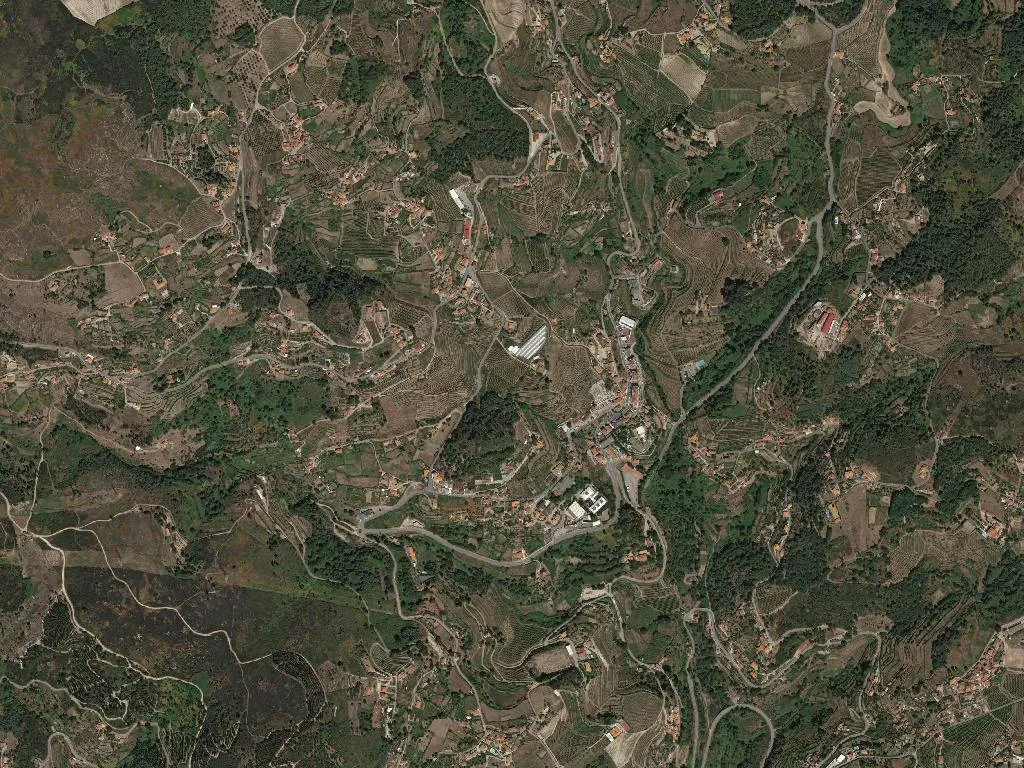
The granite setts rattle beneath your shoes on the climb to the chapel—a brittle, almost metallic clatter that ricochets between the stone houses terraced into the slope. At 378 metres above sea level, Santa Marinha do Zêzere perches on the hinge where the Douro valley folds into the interior ranges. The air smells of beech-wood smoke, and on winter mornings the fog clings to the vines like a second skin.
This parish of Baião claims 2,469 souls scattered across a little more than a thousand hectares—an improbable density in Portugal’s depopulating north. Yet the houses stay lived-in, vegetable plots stay productive, the lanes still swell on feast days. Demography tells its own blunt story: 275 children to 541 pensioners. The balance is fragile, but it holds, thanks to families who refused the urban exodus.
Honey That Keeps the High-Country Sun
In apiaries stepped across the valley sides, bees work the heather, chestnut and wild-bramble nectar into something the EU recognises as Mel das Terras Altas do Minho DOP. The honey arrives in the jar the colour of late-afternoon light and carries, on the tongue, the cool density of high-altitude mornings and a faint bitter note from mountain blossom. Locals drizzle it over warm maize bread or stir it into night-time milk, a quiet ritual that predates electricity.
Gastronomy is not performed here; it is lived. Smokehouses dangle chouriço and alheira sausages above slow winter fires, loaves proof in communal wood ovens that still glow on Saturdays. There are no Michelin-listed restaurants, only kitchen tables supplied by the yard: kale cut minutes earlier, potatoes lifted that morning, pork from the pig fattened out back.
Between Saint Bartholomew and the Lady by the Cross
The festival calendar sets the parish heartbeat. On 24 August São Bartolomeu turns the church square into an open-air tavern of music and grilled sardines. A fortnight later the Festa da Senhora ao Pé da Cruz draws the faithful to a hilltop chapel whose single bell can be heard in the next valley. These gatherings are not staged for visitors; they are social glue, the reason grandparents return from Paris or Zurich each summer.
Official heritage stops at one listed monument, yet vernacular architecture writes a denser story—wayside stone crosses, Manueline doorways on granite chapels, manor houses whose coats of arms have been sand-blasted by centuries of Atlantic wind. Prosperity once rode on rye, chestnuts and the rough red wine that left these hills by river barge.
Where to Sleep Between Vineyard and Ridge
Expect 17 low-key lodgings: self-catering cottages, family rooms in old quintas, breakfasts of yard eggs and warm sponge cake. No infinity pools, no spa soundtracks—just terraces that gaze down the Zêzere valley and silence thick enough to hear grape skins split at harvest.
The church bell counts the hours, its bronze note rolling downhill. At dusk, when oblique light fires the schist walls and shadows pour like ink along the cobbles, Santa Marinha shows its hand: a place where rural life still answers to seasons rather than algorithms, where the daily weave runs from vegetable patch to smokehouse, from Sunday mass to espresso under the plane trees. The extraordinary, here, is simply the ordinary allowed to speak.