Full article about Penacova: granite, levadas & smoke-crusted broa
Felgueiras’ pocket-sized parish where Atlantic mist meets millet terraces and Saturday ovens glow
Hide article Read full article
Penacova: where the water arrives before the river
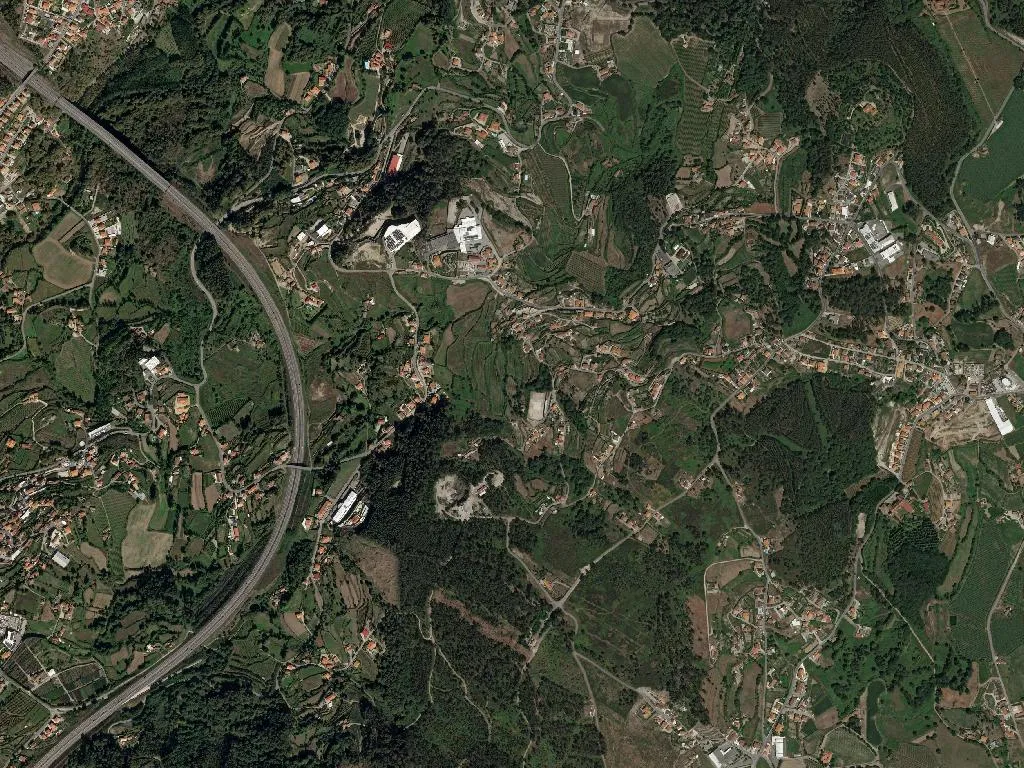
The levadas talk before the Sousa comes into view. On the northwest face of the Serra da Padrela, Penacova spills down a warm granite ramp between vines and millet terraces. At 348 m it breathes Atlantic air that smells of wet schist and heather, yet the parish measures barely three square kilometres. Every fourth Saturday the churchyard fills with the monthly livestock fair: Galician blondes and Churra da Terra Quente sheep trade hands for banknotes pressed palm-to-palm until the ink sticks.
Stone that remembers
The Igreja Matriz has anchored the slope since 1258. Single-naved, thick-walled, its Romanesque core is banded with 18th-century Baroque icing. Step inside and the 1723 cross carries a Latin epitaph for the Sousa Castro family; the carving is deep enough to cast December shadows at noon. Opposite, the tiny Nossa Senhora da Saúde chapel was financed by Brazilian gold sent home in the 1890s—no flourish, just granite and gratitude.
Between river and ridge
Signposted PR2 sets out from the church door, an eight-kilometre figure-eight that drops through gorse and sweet chestnut to the Sousa valley floor. Grey herons lift from the reed beds; four stone grain stores—espigueiros—stand on stubby legs, the only ones left in Felgueiras. Kayakers put in here for the slow paddle to Cepelos, listening to their blades echo off quartzite walls that rise like library stacks—the local “Livraria do Mondego”.
From communal oven to glass
Saturday’s wood-fired oven turns out broa de milho e centeio: maize-and-rye loaves with oak-smoke crusts and tight, nutty crumbs. Taverns serve rojões—pork shoulder braised in Vinho Verde, garlic and bay—while June’s folar, a sweet bread layered with cured meats, negotiates the salt-sugar line with Iberian confidence. At Quinta do Olo, requeijão arrives still warm, the sheep’s-milk cheese spoonable, its aged sibling crumbly and lanolin-sweet.
Calendar of echo and ember
September’s nine-night novena to Nossa Senhora da Saúde fills lanes with candle-smoke and processional brass. At Christmas, living nativities borrow goats from neighbouring quintas; on Epiphany, Janeiras singers still barter song for aguardente and corn bread. The Poço dos Namorados, once the village pump where girls drew water and boys loitered, is dry, but the name lingers like a refrain. When the six-o’clock bell strikes, the cross’s shadow lies exactly where it did in 1896, and the levadas carry yesterday’s rainfall down to the Sousa, murmuring the same story to anyone walking slowly enough to hear.