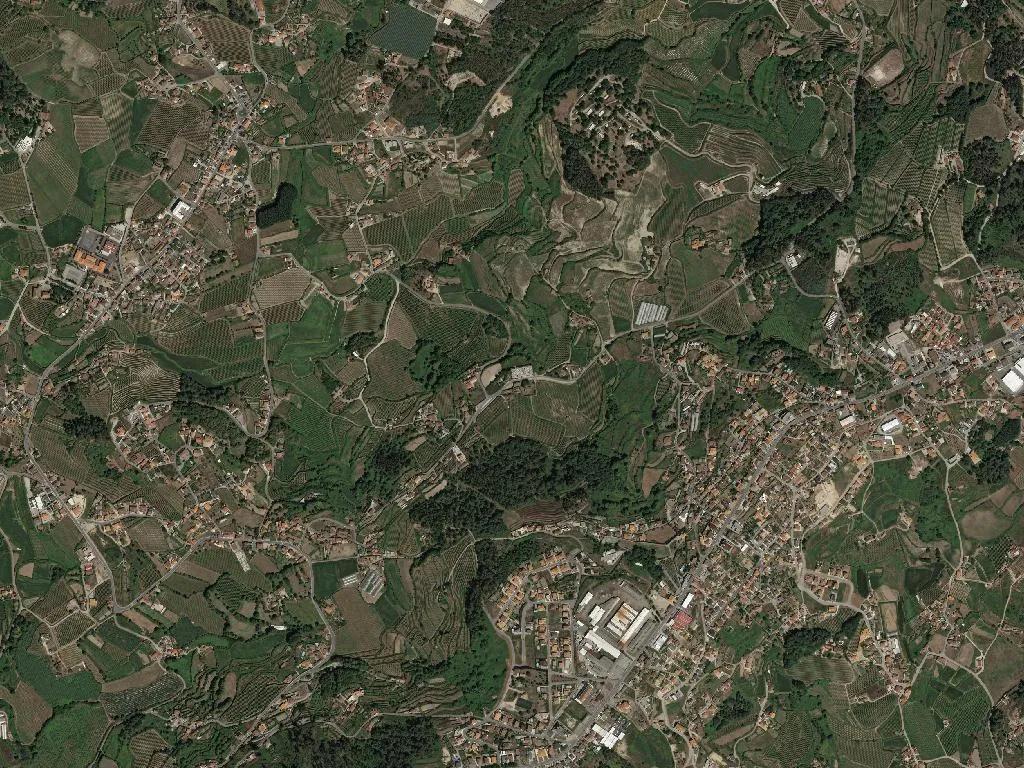
Full article about Vila Verde & Santão: the parish that bakes in pine-smoke
Visit Vila Verde e Santão in Felgueiras for wood-fired fogaceiras, 1 a.m. July dances and a cloak-heavy January procession
Hide article Read full article
Woodsmoke and sweet dough
The scent of burning pine — dry, resinous, never eucalyptus — seeps into the loaf before it is even born. Inside the stone oven at Santão the logs crackle as if they’re gossiping; outside, women knead with sleeves rolled high, forearms dusted white. A stealthy splash of aguardiente sweetens the dough, an ingredient nobody ever writes down yet everybody adds. When the oven door swings open, the escaping steam smells of melted butter and the mornings when no one goes to work.
Two villages, one parish council
The 2013 merger exists only on letterhead. Vila Verde still wakes to the rasp of tractors heading for the campos at dawn; Santão stirs when Sequeira’s cockerel crows — the same bird that has marked the hour since 1987. Vila Verde has Café “O Progresso”, where the custard tart is oblong, not round; Santão has the Casa do Povo, where Tuesday means table-football and Thursday means Benfica on the projector. Between the two bandstands lie exactly 2.3 km of municipal road, measured by children on bicycles who know every pothole.
In the mother church of S. Tiago the sacristan-accordionist climbs to the choir alone and plays “Adeus à Espanha” before the seven-o’clock mass. At S. Sebastião, Maria da Conceição still brings holy water from home in an old Brancávia bottle: “The stuff from the church font tastes of roof tiles.”
A calendar of small explosions
20 January: the procession of S. Sebastiao inches downhill. The saint’s cloak weighs eight kilos, the air is razor-cold, and some resourceful grandson always fakes a limp so he can carry the litter and skip school. At the bottom, plastic cups of hot wine spiced with clove and cinnamon are pressed into every hand — the priest’s included.
July: Vila Verde sets a wooden stage on the terreiro. Dancing starts at 1 a.m., when the cool has finally rolled down from the Viso ridge. The cavaquinho being thrashed is the same instrument from 1994 — new ribs every decade, same heart.
Fogaceiras Night: the oven is lit at four. Arrive after six and you are too late: two hundred fogaças and not one more. The recipe is copied into an Ama’s exercise book, but the real trick is to let the dough rise on top of the washing machine in Dona Alda’s kitchen — “warm, and no draught.”
Flavours that argue with the map
Caldo verde is shredded with the same razor used to scale trout; the Alentejan pork sausage has hung for two days over chestnut poles cut from the hill. Kid goat spends the night in the bakery sink — the only vessel wide enough to hold it, trays of potatoes wedged around it like a jigsaw.
At Easter the folar is raised from a starter that Grandmother Lourdes keeps under a saucer since Ash Wednesday. Onion-skin dye gives the eggs the exact shade of rust deemed correct by centuries of neighbourhood scrutiny.
White wine arrives in three-litre flagons sealed with supermarket clingfilm; no label, but the bubbles snap against the tongue like Space Dust.
The footpath that listens
The PR3 trailhead is a wall sprayed “Vila Verde — 2 km” in 1998. You cross the municipal granary yard where the scent of dried nettle clings to the granite, then the wooden footbridge over the Ferro — one plank loose and saying “toc” for eternity. Locals refuse to fix it: “It proves you’re on the right track.”
Half-way up the slope a lightning-split olive stands since 2012, its dead arms still clamped to the trunk. Pause here to peel a tangerine and watch the Sousa river unwind below like wet ribbon.
Vila Verde’s old railway station has lost its clocks but gained a pilgrim wall: five-cent coins pressed into the render. At dusk the silence is so complete you can hear the copper shimmer when wind moves the brambles outside.