Full article about Caíde de Rei: where the cracked bell still tolls 1947
Morning mist, onion soup & vinho verde that tingles—village life in Lousada’s hidden fold
Hide article Read full article
The bell that still remembers 1947
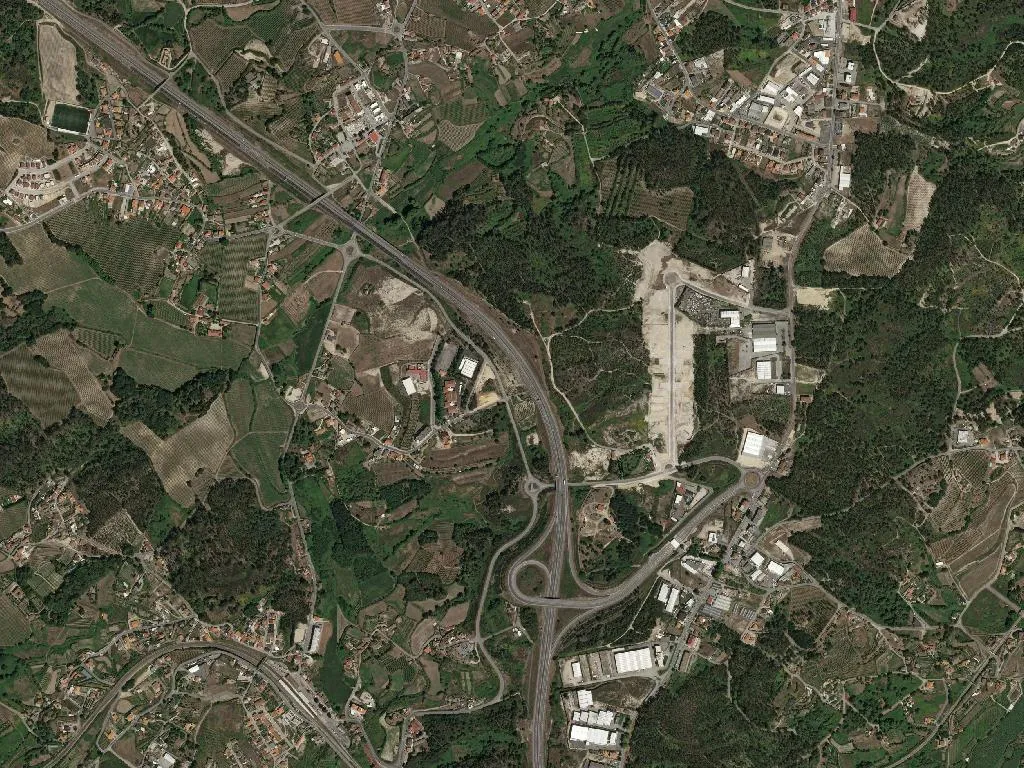
The iron bell in the mother church—fractured the year India gained independence, re-welded by Sr Albano with a scar you can still trace—tolls eight times and lets the note slide downhill. It slips between schist walls and the last vines propped on rotten stakes, arriving at the bend of the CM-205 just as the cemetery wall looms through morning fog. The air smells of the manure Adolfo spread on his potato plot before the cockerel bothered to crow.
Lower down, in Rua do Cruzeiro, Dona Idalina has already slid yesterday’s dough into the stone oven of a bakery that officially closed in 1998. The parish head-count says 2,423, but the ledger is generous: most under-thirties have migrated to the dormitory towns south of Lisbon or to Toronto, returning only for the weekend when Senhor dos Aflitos descends and the village swells with people who speak like exiles.
When the Afflicted Lord comes down to the valley
The festival begins on Friday evening with a candlelit procession from the high cross to the church portico. Men starch their white shirts; the woman who once ran the village shop decants Super Bock into a laundry basket because the priest refuses bars on the church steps. At five on Saturday morning the drummers of Vilar start—an alarm felt in the diaphragm long before it reaches the ears. After the eight-o’clock mass on Sunday the Brotherhood ladles onion soup to anyone who queues, and five-litre jugs of vinho verde, bought wholesale in Marco de Canaveses, travel hand to hand. It is not estate wine; it is “de ramo”, slightly petillant, the sort that makes your tongue tingle and your eyes film over by the third enamel mug.
What is eaten when no guidebook is watching
Horácio’s tavern is simply his cellar door. A length of smoked beef chouriço hangs inside the fireplace; he slices it thick, lays the discs on clay plates and waves away payment: “We’ll settle later.” Cornbread baked by his wife in the yard oven arrives warm, perfumed with fig-leaf ash. If winter rain drives people indoors, someone will produce a bottle of bagaceira firewater distilled by Dona Alice in the neighbour’s copper alembic—one swallow and the unprepared throat remembers it is mortal.
The hush after the last grape is picked
When the final bunches are cut and the vine leaves rust to the colour of iron oxide, Caíde de Rei exhales. Tractors drag empty trailers along the EN333; even the bar dog loses interest in sparrows. The bell sounds lethargic, as though the crack were widening. Afternoons smell of turned earth and sweet rot; the scent adheres to jackets like a promise of rain. At five, sunlight slips behind Monte do Viso and long shadows finger the tarmac. Cold climbs from the ground into bone. Time to head home, light the pine-kindled hearth, and wait for the scarred bell to summon tomorrow—perhaps a fraction later, for the sacristan treats fog as licence to linger beneath the duvet.