Full article about Linen-scented Lousada: granite hamlets above the Sousa
From espigueiro to Baroque blue tiles, Cernadelo-Lousada keeps flax, flame & kid-goat festas alive
Hide article Read full article
Linen and Granite
The smell of woodsmoke lifts from the valley while dawn is still a suggestion. Along the terraces that slide towards the Ribeira de São Miguel, granite walls keep the night’s chill pressed between their joints. Between 180 m and 400 m above sea level the land is laid out in tidy strata: vines, peach terraces, oak scrub, water. Everywhere else there is granite – in the narrow two-arched bridges, in the 17th-century pillories, in the stone granaries that stand on mushroom feet to keep the rats out.
Stone and flax country
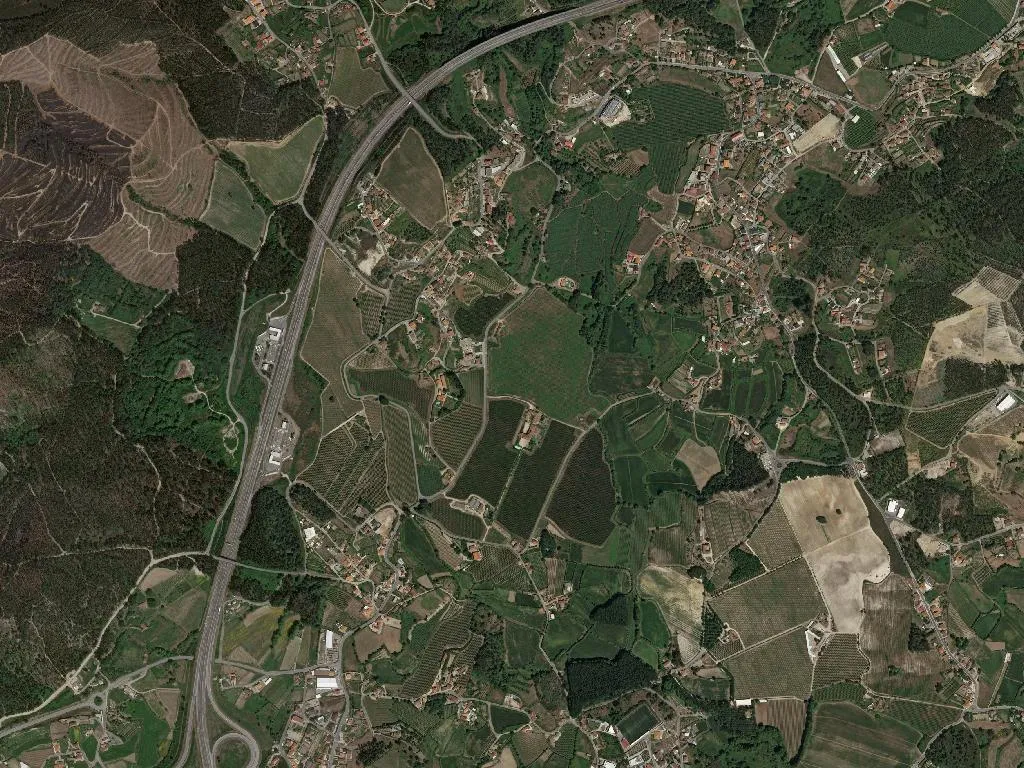
When Cernadelo and Lousada were merged into a single civil parish in 2013 the move only recognised what the topography had already dictated: two villages laced by the same web of streams and the same unforgiving soil. The name Lousada derives from the Latin lausetum – a stony place – and a 30-minute walk along the rural caminos proves the point. Dozens of espigueiros still dot the smallholdings; a handful still store milho and rye, others serve as memory boxes for the days when every farm grew its own flax.
The parish church of São Miguel, rebuilt in Baroque form during the 1700s over foundations first documented in 1258, anchors the settlement. Inside, gilded carving glints above 18th-century blue-and-white tiles. A single-nave chapel to St Sebastian in Cernadelo is far plainer, but each January its forecourt fills with farmers bringing geese and goats to be blessed against disease.
August bread, February fire
On the Sunday after 15 August the county’s principal festa takes over the church square. A three-tiered altar of bread and dahlias stays in place for three days while wood-fired ovens turn out kid goat and sarrabulho rice. Local vinho verde from the Sousa sub-region sells for €1.50 a glass.
Five months later, on the evening of 5 February, women carry the flame of St Agatha from house to house, singing verses that promise protection from fire and blight – a custom first noted in pastoral records of 1789.
Mill tracks and wine rooms
The 8-km Trilho dos Moinhos (PR1) leaves from Lousada’s sports pavilion and climbs to Cernadelo past restored water-mills and granite irrigation channels. Allow two and a half hours for the dirt and schist slab path. If you prefer pedals to boots, the Ecopista do Sousa – a 19-km greenway on a disused railway – glides almost flat to the centre of Porto, entering the parish just below the old station halt.
Quinta da Tapada opens for pre-booked tastings: €5 buys three pours of lime-edged vinho verde, accompanied by cubes of roast pork or a slice of the local pão-de-ló, sold in village pastelarias at €8 a kilo.