Full article about Bell, Milk & Slate: Figueiras e Covas’ Living Soundscape
Dawn bell, diesel train, hand-milked churns—hear the schist valleys of Figueiras e Covas.
Hide article Read full article
Bell, milk and slate
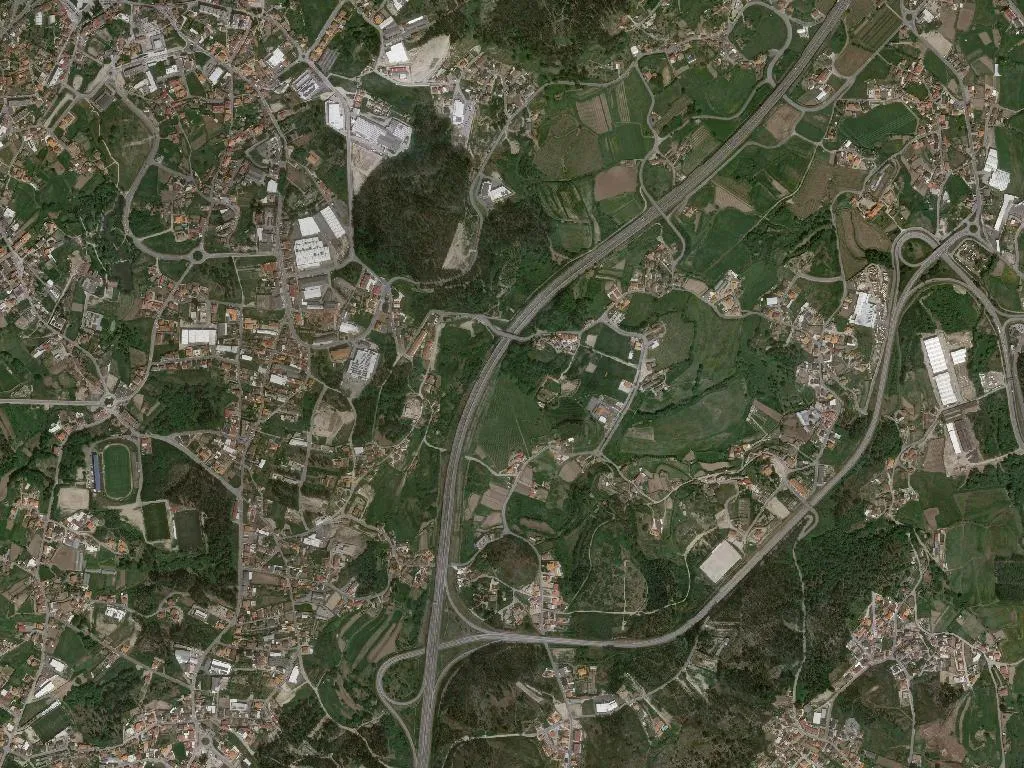
At 7.30 sharp the bell of Covas’ 18th-century church strikes, its bronze note sliding down the schist walls just as the little diesel from Pousa clatters across the iron bridge over the Rio Sousa. Sound meets sound; the valley carries both. Below the tracks, the dairy co-op is already weighing churns from the 28 farmers who still milk by hand. Their 434 ha—roughly the footprint of Hyde Park—support only 2,145 souls, a density so low that every quinta can afford a stone threshing-floor and a pergola of vines without quarrelling over inches.
Two parishes, one parish council
The 2013 merger kept the books separate: Figueiras (1,384 voters) and Covas (761) balance their own budgets, but share a clerk and a doctor. Census 2021 counted 292 children under 14 and 286 residents over 65; the middle cohort clock in at the olive-oil press outside Lousada, the municipal abattoir or the shoe factories of nearby Felgueiras. The council office now occupies Figueiras’ primary school, closed in 2009 when rolls dropped below twenty; the post office counter opens twice a week inside the same corridor where generations once learned their tables.
Calendar of belief
On the Sunday nearest 15 August the carved image of the Senhor dos Aflitos leaves its hilltop chapel of Sameiro and travels 300 m through Covas. The procession begins at 4 p.m.; by 7 p.m. the choir of Vila Meã has sung the final hymn and 2,400 faithful have squeezed into a square built for 400. Eight temporary tavernas sell sardines, vinho verde and sugared almonds, turning over €38,000 in three days—every cent earmarked for the sacristy roof, scaffolded since 2022.
Five months earlier, at sunrise on 5 February, women only re-enact the feast of Santa Águeda. They walk the 1.8 km dirt track between Covas and Figueiras, pausing at three granite fountains to recite the litany; any man who tries to tag along is politely shown the gate: “Today is theirs, gentlemen—wait outside.”
Terraced vines above the river
The union sits inside the Amarante sub-region of the Vinho Verde DOC. Of 89 ha registered, 74 are planted to Loureiro, 15 to Azal. Vines climb from 180 m along the Sousa up to 380 m on the São Domingos ridge where the soil thins to naked granite and growers must pickaxe to bedrock. Harvest normally starts on 10 September; last year drought advanced the date by five days. The communal press in Figueiras received 145 tonnes of grapes, yielding 118,000 litres of must sold at €0.42 a litre to Adega de Santa Marta—enough to fill a London double-decker bus with wine.
There is only one place to stay: Casa da Eira, a converted granite granary on Rua do Cruzeiro with room for six. Anyone wanting a minibar or concierge drives 12 km to Lousada’s Hotel Castrum or 18 km to Amarante’s Casa da Calçada, a former 16th-century palace turned Relais & Châteaux.
At 6.30 p.m. Transdev bus 803 leaves for secondary school with fourteen teenagers, bags of books on their knees. The co-op tractor gates clang shut; darkness reclaims the valley, broken only by blackbirds quarrelling over the last Azal bunches the pickers missed.