Full article about Nespereira e Casais: Vineyards, Bells & Parish Rivalry
Hear the noon bell roll over Loureiro vines, taste cinnamon-dust doughnuts at the Senhor dos Aflitos fair—this is everyday life in Nespereira e Casais, Lou
Hide article Read full article
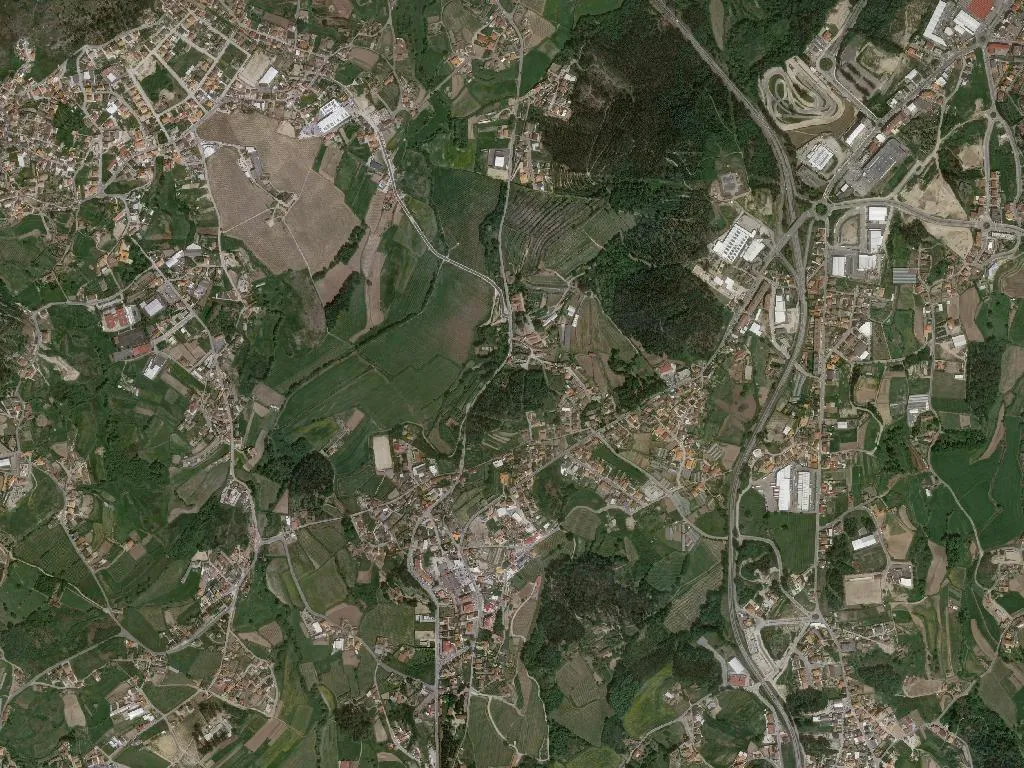
The church bell strikes twelve, its bronze voice rolling across trellised vineyards. A dog answers, then Sequeira’s tractor coughs its way up the ridge. At 203 m above sea level the air smells of wet slate and bonfire; chimney smoke rises as straight as a finger, pointing out the cold. This is not a tableau for tourists—just the daily soundtrack of two hamlets that were yoked together in the 2013 parish merger yet still keep separate identities.
Two Villages, One Parish
On paper they are the civil parish of Nespereira e Casais; on the ground they eye each other like cousins who married into different families. Nespereira has the bigger churchyard and the benches where four cane-wielding regulars audit the weather. Casais has the spring: at dusk women collect water and trade the day’s gossip in the same breath. Between them live 3,434 inhabitants, though the absences speak loudest—shutters painted the municipal green of Lousada, cold chimneys, passport photographs Blu-tacked above the coffee machine.
The landscape is stitched with high pergolas of Loureiro, Arinto and Trajadura. This is the warmest sub-zone of the Vinho Verde demarcation, warm enough to let the grapes ripen without the Atlantic swagger of the coastal parishes. At harvest the lanes are bruised violet by tractor tyres and the must clings to jumpers like a stubborn perfume.
The Lord of the Afflicted and Saint Agatha
Every June the parish stages the Festa do Senhor dos Aflitos—three days when the N206 becomes a fairground. Dona Alzira’s doughnut stall performs alchemy with cinnamon sugar; Quim sells rhyming raffle tickets for a euro a strip; and emigrants flown in from Paris or Zurich display tans the colour of medronho. The procession inches downhill: the bearer’s shoulders stiffen, rockets snap overhead, conversation stalls when the priest raises his hand. In that hush you can almost hear collective memory ticking.
February brings the women’s feast, Santa Águeda. Ribbons in their hair, they shoulder the saint’s statue and sing verses older than the Republic. Cornbread, still steaming, is broken with strangers; red wine is laced with cinnamon and pressed into cold hands. For one afternoon the matriarchs take the village microphone and the men shrug as if they had no opinion.
Daily Rhythms, Shifting Generations
Nespereira’s primary school clings to three classes; Casais lost its first-cycle pupils three years ago. At midday the Café Central fills with golf-buggy teenagers comparing Braga construction sites and octogenarians locked in Sueca cards who still measure grain in alqueires and remember three-litre flagons. Someone ploughs a strip of land with a yoke of oxen; someone else bottles his own wine for November drinking. Yet abandoned plots proliferate—the grandchildren now rent in Porto and taxes outrun the vintage price. Foreigners occasionally appear, sniff the silence, offer half the asking, and drive away.
When the sun slips behind Monte do Marco the bell tolls again—not summoning, simply noting the hour. The vineyards empty; only wind shifts the leaves and a last trace of crushed grape hangs in the air, like a promise that someone, somewhere, will still be here to harvest it.