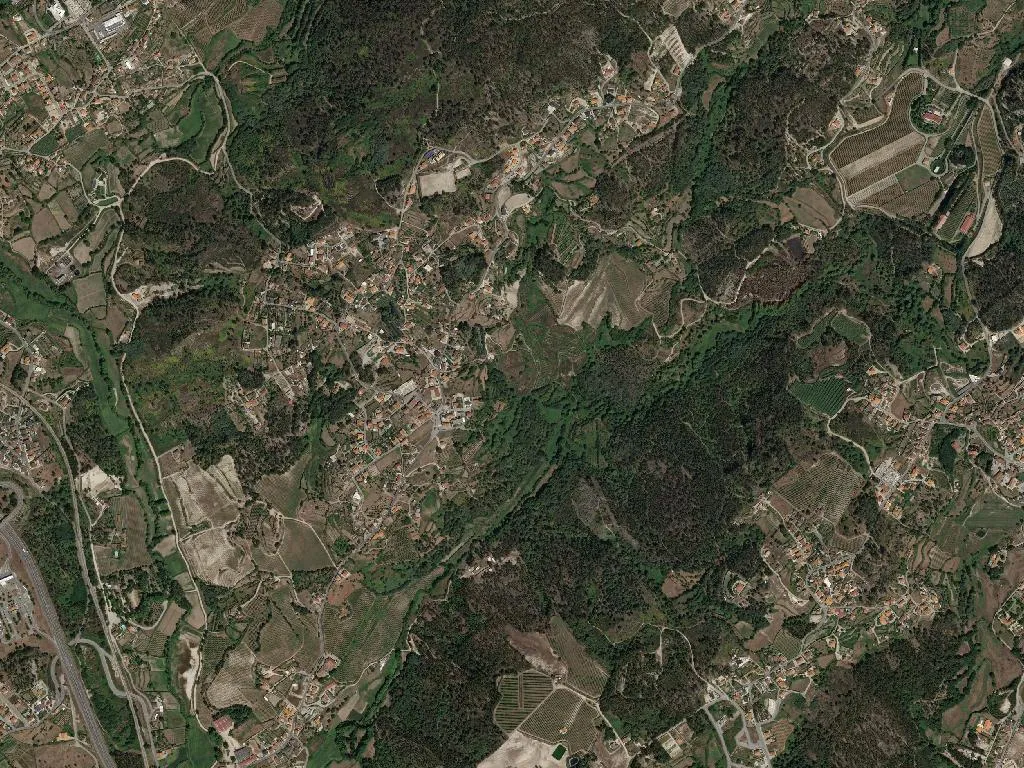
Full article about Banho e Carvalhosa: where granite breathes wine
Hidden spring, Loureiro vines and heather honey flavour Marco de Canaveses’ ridge-top hamlet.
Hide article Read full article
The water still runs, even if no one drinks
You can hear it first: a thin trickle under the tarmac of the CM-605, a private murmur that gave the hamlet its name—Banho, “bath”—and then vanished beneath eucalyptus and bramble. The spring is still there, locals insist, running as cold as it did when girls carried clay jugs on their heads at dawn and sang to keep the rhythm. Carvalhosa, the adjoining scatter of granite houses, remembers its oaks only in surname; the trees were felled long ago for cart stirrups and lard pots, the sort that kept “God’s bacon” fragrant through winter.
Roots set in 1693, and earlier
The parish church was already standing when the first written record was inked in 1693. Before that, slate-roofed cottages and threshing terraces clung to the 214-metre ridge, sending maize down the track to the watermill at Quintandona. The air is high enough for the first rain of September to carry the smell of wet schist and bruised grapes—an aroma that makes bread rise and vinho verde keep its nerve. Of the 1,074 people on the roll, 244 are over 65 and can still point out the exact slab where the cântaro was balanced while someone adjusted the shawl.
Loureiro grapes and heather honey
Vines grip the terrace walls like rock-climbers. Every Loureiro bunch angles west for the afternoon heat; at night the granite gives the warmth back, tightening the grape’s acidic spine. Pour the result and your tonsils flinch—only a wedge of corn bread draped in smoked lard can bring the wine to heel. The honey is slower theatre: urze (heather), medronheiro (strawberry-tree) and esteva (rock-rose) bloom in succession, so the bees work from April to June. Apiaries are tucked into wind-lipped hillocks; the chestnut hives darken to the same mahogany as the honey they hold. One spoonful in a bowl of plain yoghurt tastes like heathland distilled.
Festivals that keep the exiles coming
São João is officially 24 June, but the wood-smoke starts the previous evening. Sardines char in the churchyard, wine sloshes from plastic garrafões no one bothers to hide. Young men still dash to the cord-held bull runs in Amarante, returning dusty in time to dance the vira with second cousins. Three weeks later the Festas do Marco stretch across a long weekend: Sunday procession behind a silver-plated Saint, Monday billiards in the café, Tuesday a parade of restored Massey-Fergusons. Whoever lacks a tractor carries a grandchild on their shoulders to watch the fireworks the football club pays off in instalments.
The silence you can hear
When the Tâmega mist thickens at dusk, the granite houses swell in size. Traffic on the CM-605 is purposeful—hospital shifts, an Intermarché dash—then nothing. The only incomer is a Porto engineer who bought the abandoned olive press; she weekends here now, ferrying friends to taste the Loureiro she buys from Zé Mário. There are no signposted trails, no gift shops, no olive-wood key rings. Instead, knock on Zé Mário’s door around suppertime and a chair is pulled from under the breadbox. What’s in the pot is what’s ready—migas with pork shoulder, maybe, or caldo verde thick with smoked streaky. Between spoonfuls he’ll recount the winter of ’78 when snow blocked the road for eight days and the pig was slaughtered on the kitchen floor because the yard was white silence.
Night settles properly when Sr Albano’s dog barks once and listens to its own echo. No one here talks of discovery; you stay long enough for the water to remember you. Somewhere below the tarmac the lost spring keeps its note, a cork is coaxed from a green bottle, and in an unseen kitchen a loaf is slid onto the granite shelf of an old wood oven.