Full article about Santo Isidoro & Livração: granite bells, river-glint views
Chestnut pergolas, knife-thin stonework and spritzy Vinho Verde above the Tâmega
Hide article Read full article
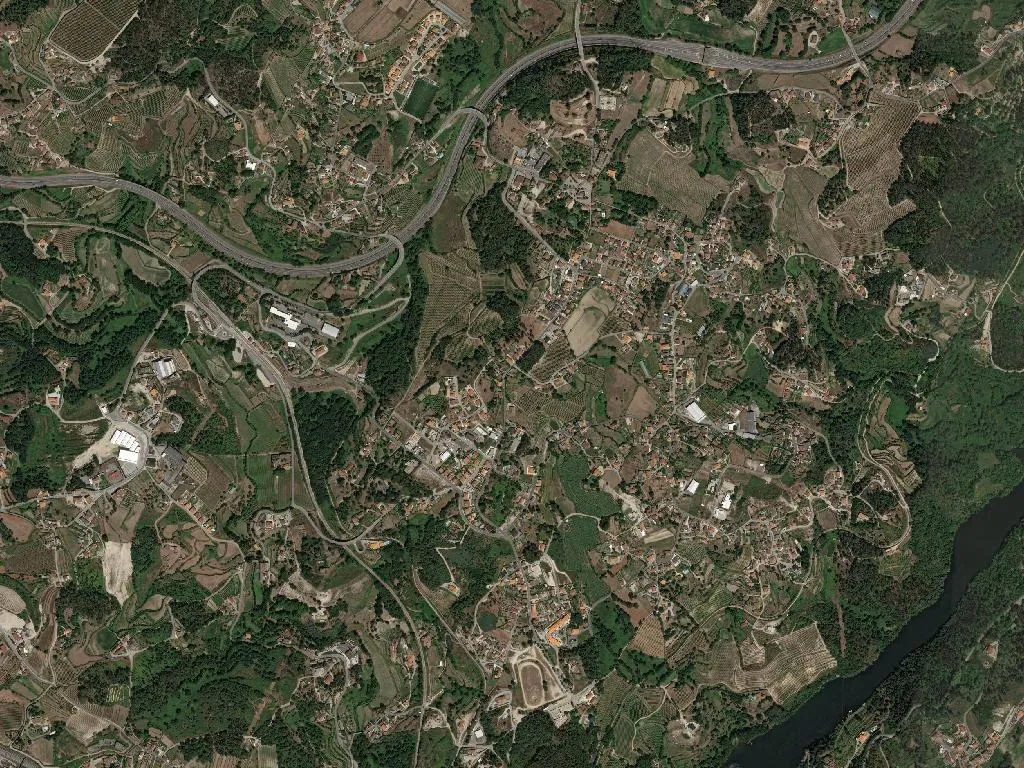
The granite church bells ring with the clean ping of struck metal, ricocheting off walls that climb the hillside in irregular staircases. Between Santo Isidoro and Livração, stone sets the tempo: in the terraces stitched across the slope, in the stone crosses that mark footpaths, in the vineyard ledges that step down towards the Tâmega valley barely five kilometres away. At almost 200 m above sea level the air is sharp before breakfast; the view stretches north until the river glints like a dropped coin.
Two villages, one memory
The civil parish merger is recent on record, ancient in habit. 1,812 people share a pocket-handkerchief of land where vines are still trained on pergolas made of chestnut poles, though steel wires have started to appear. Altitude slows the ripening, locking acidity into the grapes that become the light, spritzy white the English insist on calling “green wine”. Come October the cellars smell of bubbling must and oak-chip smoke: chouriço ropes overhead, hams tightening in the draught.
Population density sounds high—400 per km²—yet houses are scattered, vegetable plots tucked between them, dirt tracks linking hamlets with names that rarely appear on maps. Demography tilts elderly: for every child there are three grandparents. They are the ones who still keep the liturgical calendar—São João in June, when bonfires crackle past midnight, and the Festas do Marco, when the parish council hires a brass band and the queue for caldo verde snakes around the churchyard.
Stone that refuses to yield
Two monuments are listed, one of them stamped National Monument—an honour Portugal does not hand out lightly. The stonework survived weather, abandonment, the 1970s urge to concrete everything. Joints are knife-thin, voussoirs precisely sprung; nothing shouts, everything fits. They are buildings meant for use, not spectacle, and the granite warms to a dove-grey glow as the sun climbs.
The Vinho Verde region spills over these slopes in a patchwork legal since 1908. Small plots of Loureiro and Azal alternate with orchards and cabbage patches, resisting the monoculture that flattened much of the Minho coast. Up here bees work heather, gorse and chestnut blossom, producing the dark, bittersweet DOP honey sold from the back of vans at Saturday markets. Spread on warm corn-bread, it tastes almost like liquorice.
Sleep inside the walls
Fifteen B&Bs and self-catering houses have been stitched into the fabric—granite cottages where original cleft stone meets glass mezzanines and hand-forged iron. Breakfast arrives on painted trays: soft Amarante cheese, paprika-spiced chouriço, the obligatory pot of high-altitude honey. Marco de Canaveses, the nearest rail halt on the Porto–Vigo line, is fifteen minutes away by tarmac; after that you drive uphill until the sat-nav surrenders. Lose the signal, find the place.
Late afternoon the schist paths exhale stored heat; the Tâmega bends below like a loose ribbon. Silence is thick, broken only by wind rattling the trellis wires and the distant cough of a diesel tractor. Stay until dusk and you’ll see yellow windows flare one by one, proof that someone still climbs these terraces at dawn to prune, pick and carry the grapes down the hill.