Full article about Granite terraces & honeyed air in Várzea, Aliviada e Folhada
Hand-stitched vineyards, 16C pillories and caramel-heather honey above the Rio Ovelha
Hide article Read full article
Granite in the Blood
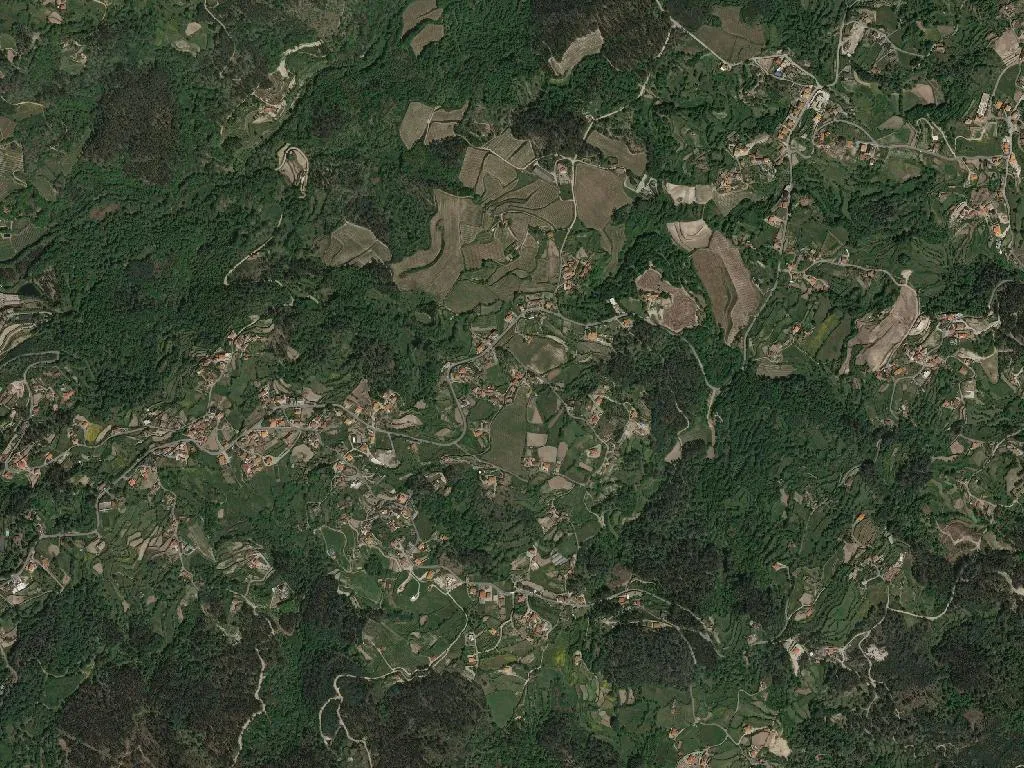
Dry-stone walls stitch the hillsides together, granite upon granite with nothing but gravity holding them in place. In the triangle of Várzea, Aliviada and Folhada, 272 m above the Rio Ovelha, every field is a shelf carved by hand, every row of vines an act of defiance against the slope. The parish covers 23 km² and counts 2,346 souls – barely a hundred per square kilometre – so silence pools between houses the way dew collects in the terracotta roof tiles.
Vine Rows and Hives
This is the southernmost dip of the Vinho Verde demarcation. No boutique tasting lodges or Michelin-plated restaurants here; instead, smallholdings of avó and avô size ferment the same loureiro and arinto they pour for Sunday lunch. Above the vineyards, chestnut and gorse give way to wild bramble, and the air is cool enough for the Minho’s certified DOP honey. Hives sit like tiny yellow dice on the water-meadows, their bees working a botanical calendar that starts late and ends with heather honey the colour of burnt caramel.
Stone That Outlives Its Story
King Manuel I raised Várzea to village status in 1516; the granite pillory still leans against the mother church of São Tiago, ignored by pigeons and parishioners alike. Follow the cobbled lanes and you’ll bump into 17th-century calvaries – 1642 in Folhada, 1713 in Aliviada – their inscriptions sharp enough to read without tracing. Inside the rebuilt chapel of São Sebastião, charred during the 1809 French retreat, a gilded baroque altarpiece glints dimly beneath soot-darkened stone. Density is low enough that no two dwellings touch; every cottage breathes its own patch of cabbages and lemon verbena.
Saints, Sardines and Summer Nights
Mid-summer belongs to São João: on the night of the 24th, Aliviida’s square fills with the smell of grilled sardines and the crackle of a bonfire built from vine prunings. A month later, São Tiago’s procession sets out from Várzea’s parish church, folk groups from Cinfães and Baião swapping songs as they shuffle behind the statue. The first Sunday of September brings the Festas do Marco – a marquee on the football pitch, returnees from Lyon and Lausanne reclaiming childhood bedrooms, and the local brass band keeping the dance floor busy until the sky pales. For the rest of the year the demographic arithmetic is audible: 504 residents over 65, only 245 under 14. The day is punctuated by the church bell at seven and the clatter of José Augusto’s milk lorry heading for the Cinfães co-op.
Beds Between Stone Walls
There are no design hotels or stately-home conversions – just twelve rooms and cottages offered by families who still iron the crochet bedspreads. Breakfast is broa de milho (cornbread) from Folhada’s wood-fired bakery, butter and pumpkin jam eaten while Dona Alda explains how her grandson is training as a nurse in Porto. The EM591 spur links Várzea to the EN106 Marco–Cinfães road; the EM592 climbs to Folhada. Marco de Canaveses, eight kilometres away, has the nearest Continente hypermarket and hospital.
Dusk turns the thatched eaves copper, temperature plummets the moment the sun drops behind Monte de Santa Luzia, and oak-wood smoke rises straight as exhalations from the chimneys. No itinerary is required, only the certainty that tomorrow the valley will still be there – green, tilted, and patient enough for whoever wants to walk slowly.