Full article about Custóias: Where the Bell Still Cuts Through Lidl Traffic
Custóias blends medieval echoes, Atlantic wind-caught church bells and 1978 walnut cakes in Matosinhos, Porto—perfect for curious explorers.
Hide article Read full article
Custóias: where the bell still rings above the traffic
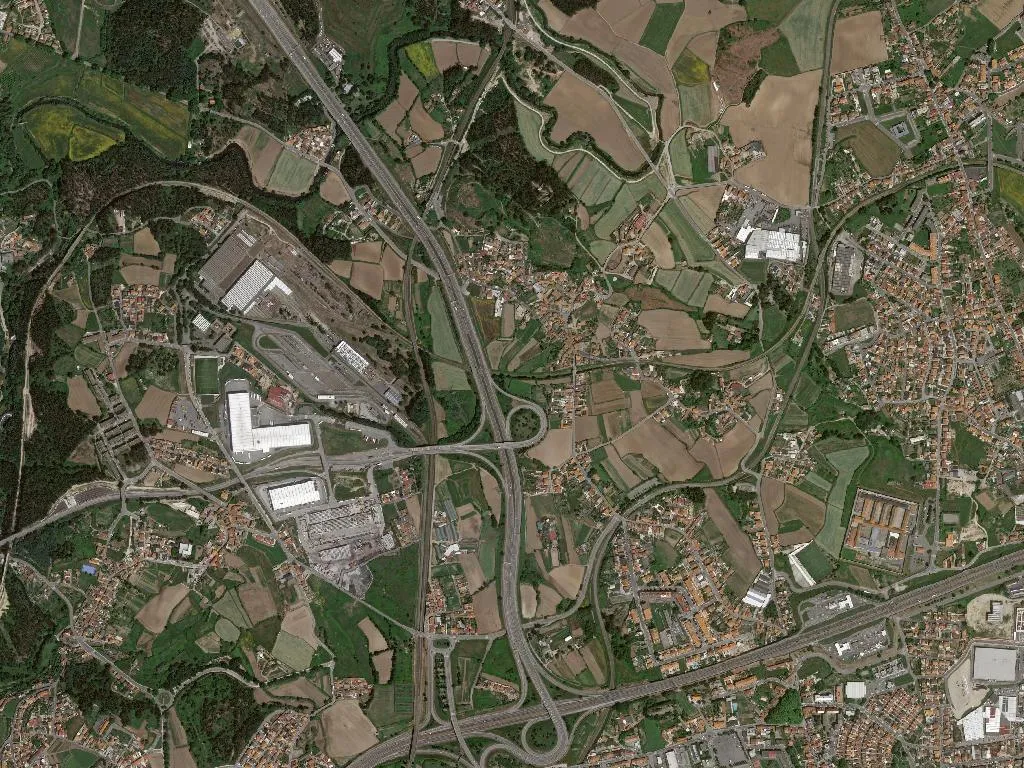
The bell in the tower of Igreja da Nossa Senhora de Oliveira strikes two minutes late. No one minds; the note is swallowed anyway by the growl of delivery vans on Rua de Tomazes. In January, when the Atlantic wind pivots north-west, the clang carries further—down chimneys in the Doca estate, across the slab roofs of Avenida da República, dying only when it meets the plate-glass of the Bom Sucesso supermarket. The land is almost flat, yet the gradients of memory are steep: anyone raised on Quinta da Conceição still refers to the Lidl car park as “the meadow”.
The weight of staying
Population density: 2,338 souls per square kilometre. Translated into daily life, that means a queue for parking outside Pastelaria Regina (walnut cakes since 1978), debate about last night’s Benfica match in Café Progresso, and parents colliding at the gate of EB 2,3 D. António Feijó primary school to compare notes on whose child needs a tutor. Custóias is not ageing; it is stock-taking. Grandchildren now sit at the same scarred desks where grandparents once learned to loop the tail of the “o” in “Porto”.
A martyr who refuses the calendar
The Festa de São Sebastião begins with alheira sausages grilled on the church steps before the nine-o’clock mass. The people who camp overnight in the churchyard are not tourists—they are members of the local farming co-op setting up stalls for mulled wine, and the St Vincent de Paul ladies frying sonhos doughnuts in yellow plastic bags. By ten on Sunday morning Father Fernando is already on his third procession: one for his late wife, one for a grandson with spina bifida, one for habit. For the rest of the year the gilt palanquin sleeps in the municipal depot between stacks of tyres and catering tubs of UHT cream.
State-stamped granite
Custóias’ pelourinho—Porto district’s only surviving medieval pillory—hides behind the cemetery wall, five metres from Café O Padrinho. Few visitors seek it out, yet everyone uses it: “Meet you at the pelourinho” is the local way to dodge the roundabout traffic. Generations have polished the stone smooth: kids waiting for the 507 bus, GNR officers in for a bica, old men who remember when the road was still beaten earth. No one stops to read the Ministry of Culture plaque, but they all know the block is “proper old”.
The coast that passes through
The coastal variant of the Camino de Santiago slips in from Leça, climbs Rua de Real, nips across the old national road and vanishes at the Carvalhidas level crossing. Wayfarers discover nothing on the official leaflet: the ultra-marine wall of Leixões football stadium, the sardine smoke drifting from Restaurante O Túnel, Sr Armindo’s mongrel that barks only at rucksacks. A yellow scallop shell sticker has been slapped over a 2016 poster advertising kizomba nights. No hostel, but Dona Lurdes runs a pensão—double room, breakfast and a temperamental espresso machine for €25.
The ordinary, weighed and found sufficient
Custóias does not trade in postcards; it keeps time instead. Monday is market day in Largo da Igreja—tomatoes €1.20 a kilo, cauliflowers bigger than a toddler’s head. Wednesday the 104 bus fills with Mota-Engil engineers heading south to the Marquês square building sites. Friday the day-centre serves caldo verde at 12:30 sharp in brown clay bowls with cornbread. An evening walk brings the hiss of coal gas from surviving wood-stoves and the thud of a Berliner doughnut landing on the café counter when the third-floor boy comes home from school. None of it is remarkable. It is simply life happening between the scrubland behind the industrial estate and Café Tupi, where the tobacco-vending machine still clanks out a pack of SG Ventil for the price of a coffee.