Full article about Guifões: Leça’s slow pulse beneath Porto’s roar
Victorian band-stand, baroque gold and river braids in Matosinhos parish
Hide article Read full article
Guifões: where the river still writes the timetable
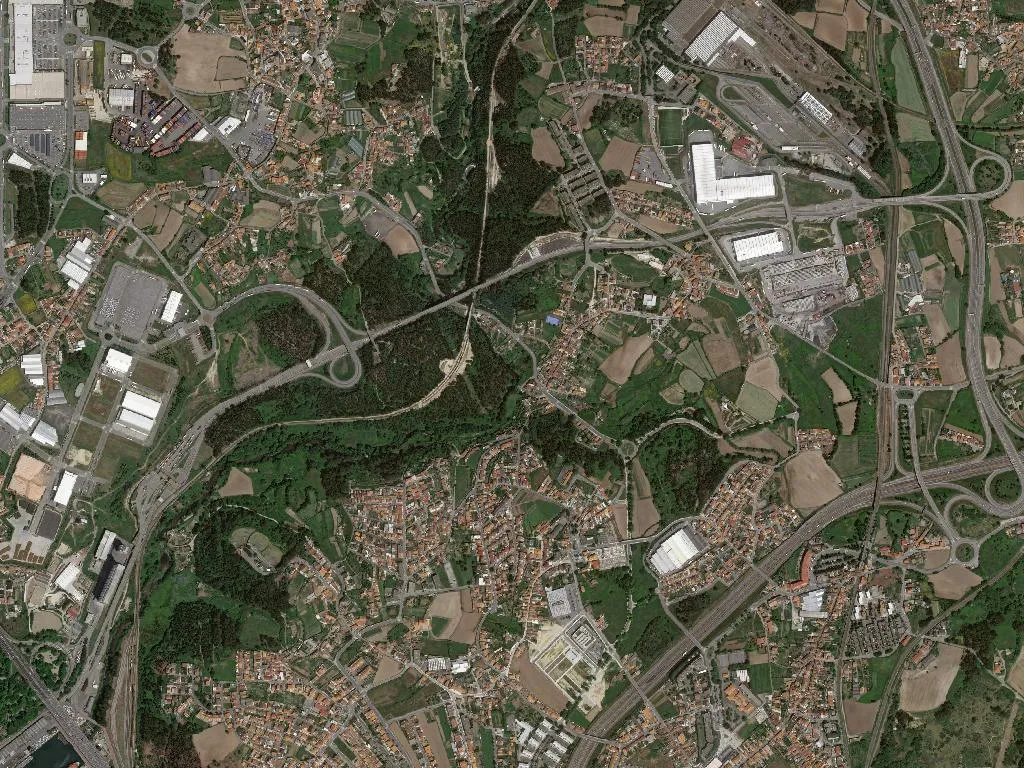
The smell of wet earth reaches you before anything else. Then the low, constant hush of water threading through reeds, half-drowned by the diesel sigh of traffic on what used to be the main northbound highway out of Porto. Locals over sixty still call it the Estrada Real – the Royal Road – remembering the stagecoaches that once clattered towards the Minho. In Guifões the Leça is not a scenic extra; it is the parish’s pulse, splitting into sluggish braids and glassy ponds across a flood-plain only fourteen metres above sea level. At 2,400 people per square kilometre this is one of Portugal’s more crowded scraps of countryside, yet the river insists on elbow-room, and the parish, almost 190 years old, still negotiates daily between what it was and the city pressing in from every side.
The Royal Road and the warriors in the name
The toponym is said to come from the Latin Guifones – “war-band” – a reminder that the Leça estuary once needed defending. Raised to parish status on 28 May 1835 and bundled into the new municipality of Matosinhos a year later, Guifões grew as a scatter of small boats and smallholdings, close enough to Porto to sell vegetables and close enough to the railway (1875) to ship them faster. The 2013 administrative merger swallowed it into the union of Custóias, Leça do Balio and Guifões, but identity here is stubborn. Stand in Largo Dr. Francisco Sousa and the 1926 cast-iron fountain still gushes – no longer into buckets, but into memory. Beside it the band-stand keeps its Victorian geometry; on mild afternoons someone always occupies the stone bench with a coffee and a slow cigarette.
Tile, gold leaf and the light that slides down the nave
The parish church, listed in 1982, is an 18th-century rebuild sheltering a gilded baroque altarpiece whose carat count rises and falls with the sun. Morning light gives the gold a cold, almost pewter sheen; by mid-afternoon it warms to something closer to heather honey. Eighteenth-century blue-and-white tile panels run the length of the side aisles – not the tourist-shop clichés of cobalt and sailor, but the real thing, slightly irregular and cool against your palm. A five-minute walk away, the Manueline miniature of São Sebastião chapel (classified 1978) offers a different acoustics: smaller, darker, the silence thick enough to taste. The chapel lends its name – and its reliquary bust – to the parish’s central winter feast.
Bread broken in January
The Feast of St Sebastian Martyr falls on the weekend nearest 20 January, when the damp Atlantic cold works its way into bone. After solemn mass and a procession that squeezes through every alley, the priest blesses trays of sweet folar – a brioche-like loaf scented with cinnamon and citrus – then the loaves are broken and shared. The smell of yeast and sugar drifts upwards into the winter fog; the contrast between oven-warm crumb and razor-edged air is the whole point of the ritual. Six months later the parish throws the secular “Festa de Guifões”: smoke from sardine grills, pop covers in the marquee, and the Guifões Folk Group (founded 1976) stamping out the corridinho in embroidered waistcoats that have seen every parish hall between here and Bragança.
Down the Leça to the Atlantic, on foot or by bike
The Leça Green Corridor – a 12-km cycle and footpath – slides out of Guifões and follows the river’s final sigh to the sea. Reeds bend one way, willows the other; herons stand mid-channel like grey commas. The path is pancake-flat, built on old tow-land, and delivers you to Leça da Palmeira beach in under an hour. Inland, the 11-hectare Parque das Varas offers two artificial lakes, outdoor gym kit and enough benches for the parish’s demographic reality: over-65s outnumber under-14s by two to one. The Coastal Camino cuts through here too; pilgrims pause for coffee beside the Metro depot where violet-line trains sleep off their faults. Industry and village share a fence, and no one seems to mind – the contrast stitches another thread into the place.
Eel stew, grilled sardine and the pastries of the square
Guifões tastes of what swims past the door. Caldeirada de enguias – eel stew thickened with tomatoes and coriander – appears on Thursdays. Sardines are grilled over eucalyptus coals until the skin blisters and the flesh salts the air. Octopus is roasted, then baptised in olive oil and garlic; the rice that follows is stained amber by prawn heads. Finish with melindres, feather-light egg cakes that leave a sherbet of sugar on your lips, or canudinhos of candied yolk that crack like thin ice. A 15-minute walk north brings you to the Super Bock House of Beer (2017) where small-batch lager is paired with flame-blackened chouriço and stewed gizzards. Metro line B drops you at Custóias station; from there the lanes narrow, the smell of the river returns, and you realise the city hasn’t quite arrived yet.
And what lingers is that smell: Leça water moving between reeds, braided with the sweetness of someone breaking open a warm folar beside a 1926 fountain that no longer quenches thirst but still marks the dead centre of a place that remembers exactly where it begins.