Full article about Figueiró: Where the Bell Still Sounds Over Vine-Clad Granite
Hear noon ring across Figueiró’s red roofs, taste chestnut pork and Minho wine 35 km from Porto.
Hide article Read full article
Where the Bell Still Tells the Time
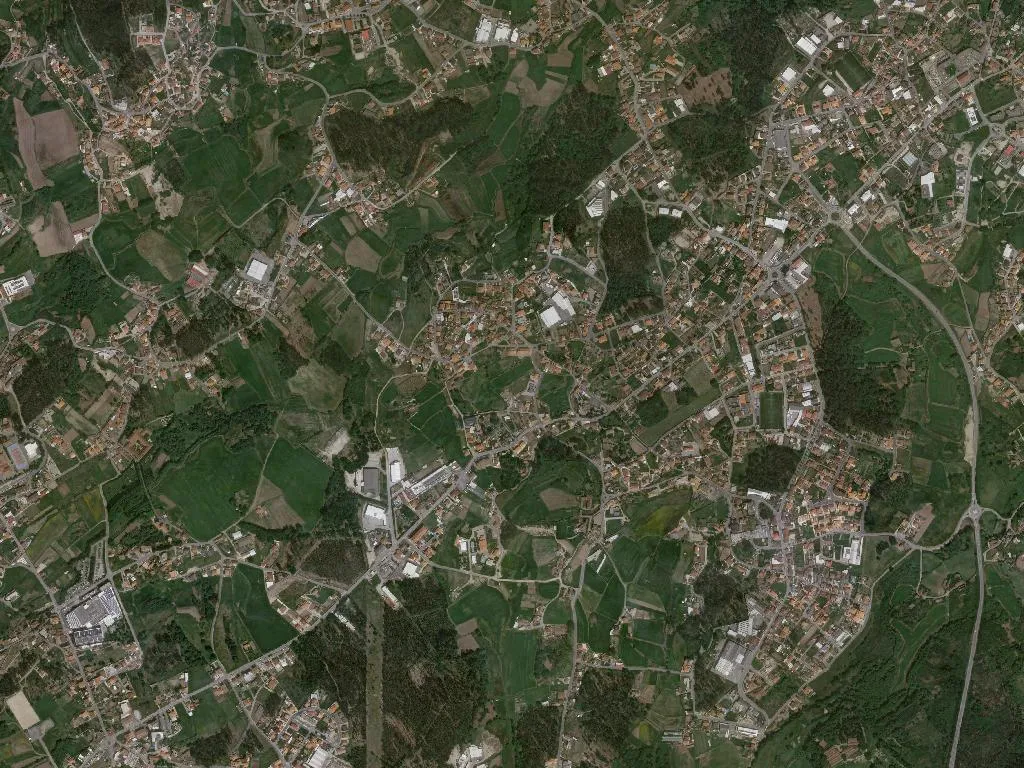
At noon the bell of São Brás strikes once, and the note travels clean across 285 hectares of Figueiró. No traffic, no café chatter: just granite, tile and air. The echo slips over red roofs, skims the vineyards that step down in low terraces to the Sousa’s tributaries, and lands somewhere between the smell of woodsmoke and the damp earth a farmer is turning between cabbages and onions. Altitude here is only 358 m, yet the valley feels lifted out of the metropolitan bustle of Porto, 35 km away, into a calendar that still obeys the seasons.
A name that remembers fire
Figueiró derives from the Latin figulus—the potter or smith who once tended hearth and clay. No kilns survive, yet the toponym has clung to parish records since the thirteenth century, a phonetic relic of an industry that branded the place before vines took over. Agriculture and a scattering of minor rural nobility shaped the settlement; granite manor houses still wear weather-worn coats-of-arms, their shields now as decorative as the ivy that frames them.
The parish church, dedicated to São Brás (St Blaise), was tweaked in every century but keeps the muscular sobriety typical of the Minho: thick stone walls, a single gilt altar, a silence that seems to absorb whispered novenas. A ten-minute walk out of the centre, the diminutive chapel of São Sebastião hosts the January romaria known as the Sebastianas—one of the few winter dates when the population doubles. On 3 February the Festa de São Brás turns the lanes into an open-air soundstage: gaita-de-fole bagpipes, processional brass, makeshift grill stations and white-metal tables sagging under bowls of caldo verde.
Minho on a plate
The local kitchen is countryside pragmatism: use the whole pig, pour the wine young. Rojão à moda de Freamunde—pork shoulder seared in lard and colorau paprika, then finished with chestnuts and potatoes—arrives in near-burnt nuggets that taste of wood-fired stove tops. Sarrabulho, a glossy risotto-dark stew thickened with pig’s blood and cumin, divides tables along generational lines, yet it is non-negotiable during the winter matança. The one-pot cozido gathers chorizo, morcela blood sausage, shin beef and winter greens into a broth that steams like a small geyser.
For pudding, grandmothers still fold toucinho-do-céu—literally “bacon from heaven”, an almond-yolk cake that contains no bacon at all—and bilhóres, thin lemon-scented fritters that disappear faster than the oil can drain. The region’s star bird, the Capão de Freamunde, is a free-range capon fattened on corn mash and protected by IGP status; the meat is silkier than standard turkey and appears roasted at Christmas or shredded into empadas at local taverns. A brisk Vinho Verde—Loureiro or Arinto—cuts through the fat with Atlantic acidity.
Between vines and rivulets
There are no way-marked footpaths, no gift-shop maps, yet the lanes south-east of the church make a perfect two-hour loop. Set out past walled smallholdings where cabbages grow in ruler-straight lines, follow a sunken track between pergola-trained vines, then drop to the Rio Ferreira where kingfishers stitch the surface. Oak and cork trees appear in scattered thickets, just enough to shade a picnic of corn bread and queijo da serra. The landscape offers no postcard theatrics; its beauty lies in repetition—granite against vine, green against grey, the quiet clink of a hoe somewhere over the next terrace.
Figueiró’s 2,477 inhabitants occupy a territory still measured in neighbourly greetings rather than postcodes. With only 326 residents under thirty, the parish obeys the demographic tilt of northern Portugal’s interior, yet feast days keep the social weave tight. Summer evenings smell of yeast from the single surviving bakery beside the church; on Wednesdays the Avintes bread-van still tours the lanes, its bell prompting a slower, older choreography than the scramble for warm rolls once was.
When the São Brás bell sounds again at twilight, sunlight slants across the granite, stretching shadows down the dirt tracks. A single plume of hearth-smoke rises, straight as a ruler, into the still air—evidence that someone is home, and that the day, like the valley itself, continues to run on its own unhurried fuse.