Full article about Lamoso: Where Cowbells Echo Above the Vine Sea
Roman walls, silver bells, smoke-roasted piglets—Paços de Ferreira’s tiny plateau lives loud.
Hide article Read full article
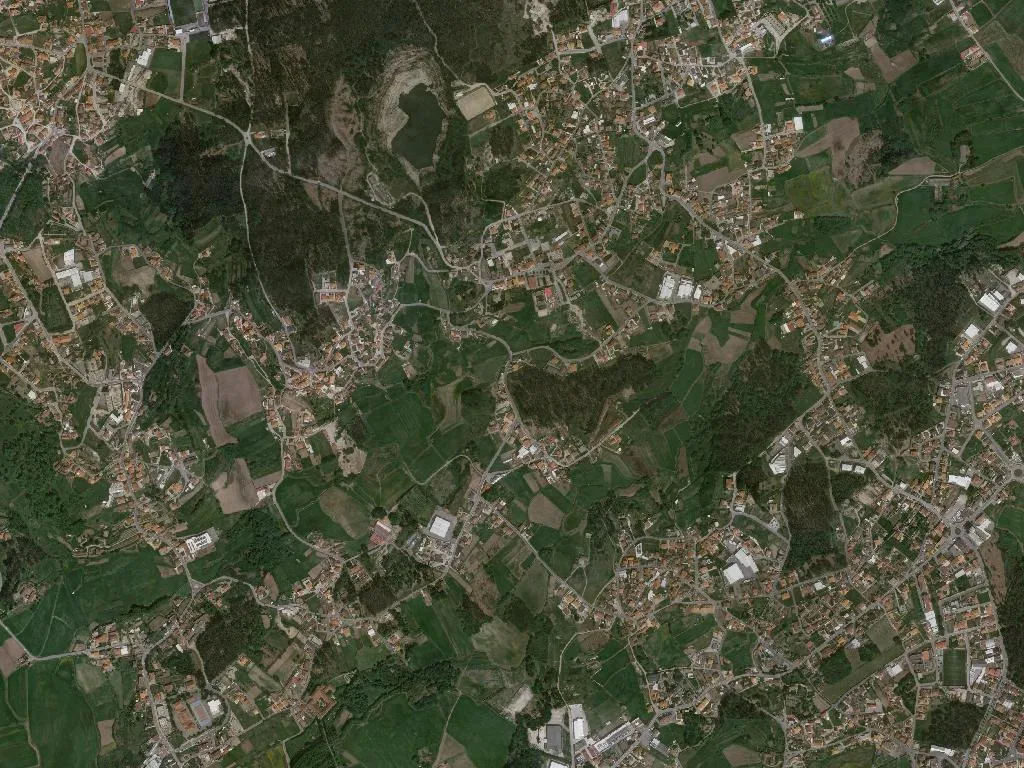
Lamoso’s bell tolls six, and there’s no rush. Perched at 347 metres above sea level, the air is crisp and the views are sweeping—on clear days, you can see the sea of vines rolling down to the river Sousa. It’s just 215 hectares, enough to walk the whole parish in a Sunday afternoon without breaking a sweat, yet the pocket-sized plateau hoards centuries in its stone.
Pastureland with a memory
The Romans called it Lamus—grazing ground. The name stuck, and the reason still ambles about: Mr Armindo’s cows graze within sight of the lane, their bells clanking against walls older than Portugal’s 1974 democracy. Given half a chance, gorse reclaims the terraces overnight. The parish church, listed since 1982, is a patchwork of accidents: a Romanesque corner here, a Manueline window there, a tower that looks bolted on as an afterthought. Inside, a 17th-century silver bell once hung from the neck of St Blaise; villagers swore a quick ring before mass cured sore throats.
The month the village refuses to sleep
January belongs to St Blaise: throats are blessed at the door, and slices of warm corn-bread are handed out before the service. The real calendar marker, though, is the Sebástianas in May. For three days the road becomes a dance floor, aluminium trays of meat pie appear from kitchen ovens, and vinho verde is poured into former jam jars. Lamoso lost its parish council in the 2013 merger—everything now sits four kilometres away in Sanfins—but nobody cancelled the remendo: the evening-before sewing bee where women fold pastéis de massa ten to a tray while men rig up bingo tables. Outsiders call it a party; locals call it insurance against forgetting.
What actually reaches the table
Visitors are marched to two addresses. First, Quinta dos Leitões at the village entrance, where piglets have been spinning over oak since 1983. Second, Café Regional, where Zé Manel ladles out papas de sarrabulho—a blood-rich stew thickened with cumin and bread—every Thursday, Paços market day. Red wine arrives from the barrel under pressure, the Minho way. At Christmas the capon of nearby Freamunde steals the show; the rest of the year it’s rojões—diced pork marinated in troucha beer—cooked by D. Alda, once a cook in Porto’s grand houses, now feeding grandchildren and whoever lingers long enough. Order pudding: the rice is scented with a stick of cinnamon, the eggs come from the hens you can hear discussing the weather behind the kitchen.
A walk without signposts
There is no interpretation centre, no yellow arrows. Simply follow the tarmac until it gives up, then keep going on the dirt. The climb ends at Fonte da Rua, where people still fill jerry-cans for their espresso machines, then rises again to Outeiro. From the granite outcrop you can read the entire Sousa valley: the Valbom furniture works, the first foothills of Felgueiras, the motorway a silent ribbon in the distance. Turn back before the sun drops; the low light swells the whitewashed cottages to mansion size. Bring a jumper—the Atlantic wind doesn’t negotiate.
When the bell strikes again and Armindo’s herd files into the byre, you realise Lamoso is not a postcard but a recording: the metallic toll, the scent of burning oak, a conversation that stretches because no one has anywhere more important to be.