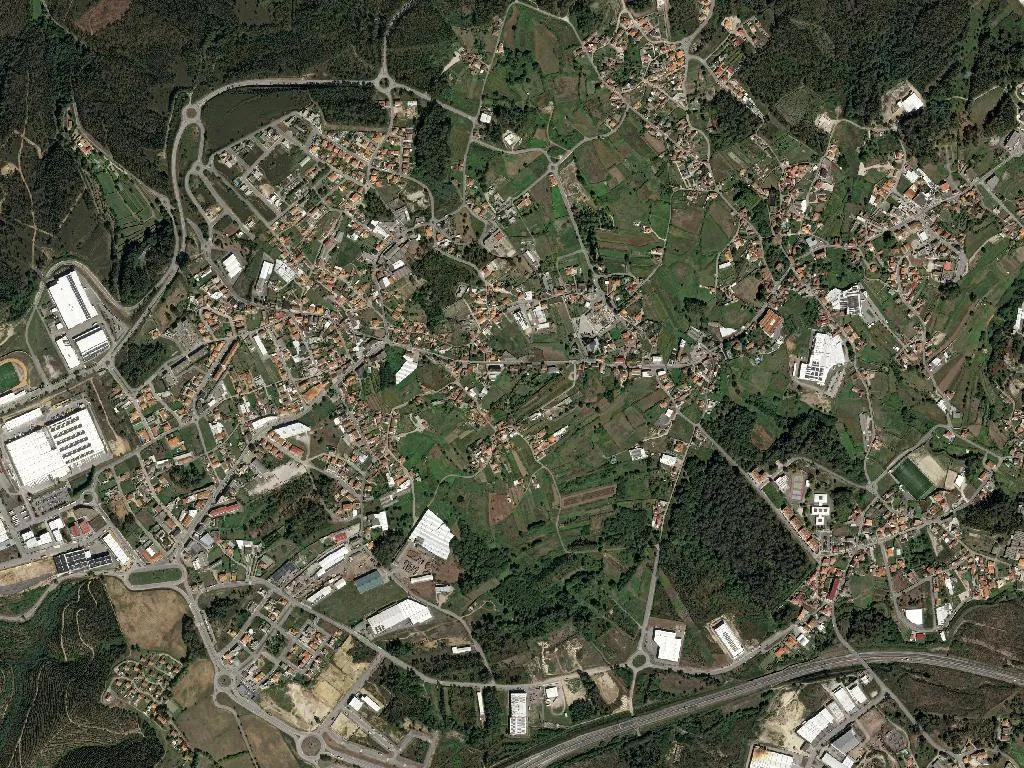
Full article about Seroa: Where Vineyards Whisper to Chimneys of Smoke
Tiny Paços de Ferreira parish perfumes winter air with pine-cured capão and sharp white wine.
Hide article Read full article
Smoke rises languidly from the chimneys at dusk, but not from the rooftops. In Seroa the houses wear tall, narrow stacks that shoot the fumes of the smoking-room high enough to miss the laundry. The scent drifting across the parish is not barbecue pine; it is resinous kindling fired fast to crackle the bread oven and scald a crust you could tap like porcelain. It mingles with the smell of bruised earth on the lance-head lanes still hacked through eucalyptus so the tractors can reach the vines.
Between Vine and Smokehouse
Officially 3,756 people share these six square kilometres, yet nightfall reduces the place to dogs and echo. Every scrap of soil the granite relinquishes is planted: not a postcard terrace but knee-work, winter pruning by hand, summer grapes hauled in wicker on the shoulder. The resulting white is sharp enough to make your molars squeak; locals pour it into small water glasses on Sunday to chase roast pork that has spent the morning in the café’s wood oven.
The fumeiro is more than the back room where the cockerel hangs. It is the odour that winters in coat fibres. The DOP-labelled Capão de Freamunde is not restaurant fare; it is the bird a grandmother fattens on maize bought from the postman, slaughtered in December, then suspended for three weeks where invisible smoke lacquers the rafters with creosote and lard. When finally sliced, the skin tastes of pine-needle tea.
Calendar of Fire and Faith
3 February, São Brás: doorways sprout the pão-bento, a cross-shaped loaf baked the Friday before mass. It wards off sore throats, yes, but also the fish-bone that lodged in a child’s gullet last year and was never mentioned again. On 20 January the Sebastiana procession winds through frost; attendance spikes because the churchyard ladles out caldo verde in clay bowls that scald fingertips. Rockets fired at 3 p.m. are not spectacle—they are village WhatsApp. When the bang rolls across the valley, grandmothers pocket their knitting and head for the primary school gate.
Generations that Cross in the Street
Paper lists 433 children; the street shows six. The rest live in Matosinhos, Maia, Vila do Conde, returning on Friday evenings with boots and dirty laundry so grandmother can simmer rabbit rice with blood. Old men still occupy the cement bench beside the cemetery, rain or shine, trading memories of the dead and ultrasound news of the unborn: grand-daughters who come home to give birth because hospital parking in Porto costs more than the gas bill.
Working Landscape
No brown sign points the way. To see the parish whole you climb the Bouça track, deep-rutted by tractors, and stand where your father taught you to change a split tyre. Dawn fog is not Instagram scenery; it is the curtain that reveals cows horn-first. The vineyards are not scenic tiers; they are soil your grandfather quarried from granite with a five-kilo bar, one swing at a time.
The church bell keeps bakery time: three strikes at 7 a.m. means the loaves are out; a frantic noon peal announces a funeral. A northerly wind smells of resin and smokehouse; a westerly brings laundry detergent and rain that has not yet arrived. In Seroa the forecast is read by nose—and by a knee that always aches before thunder.