Full article about Astromil: granite ovens, vinho verde mist & cockerel crackli
Taste Astromil’s liquorice-dark heather honey, sip grandad’s felt-tip vinho verde and queue for crackling capão in Paredes’ granite heart.
Hide article Read full article
The scent of warm bread and wet granite
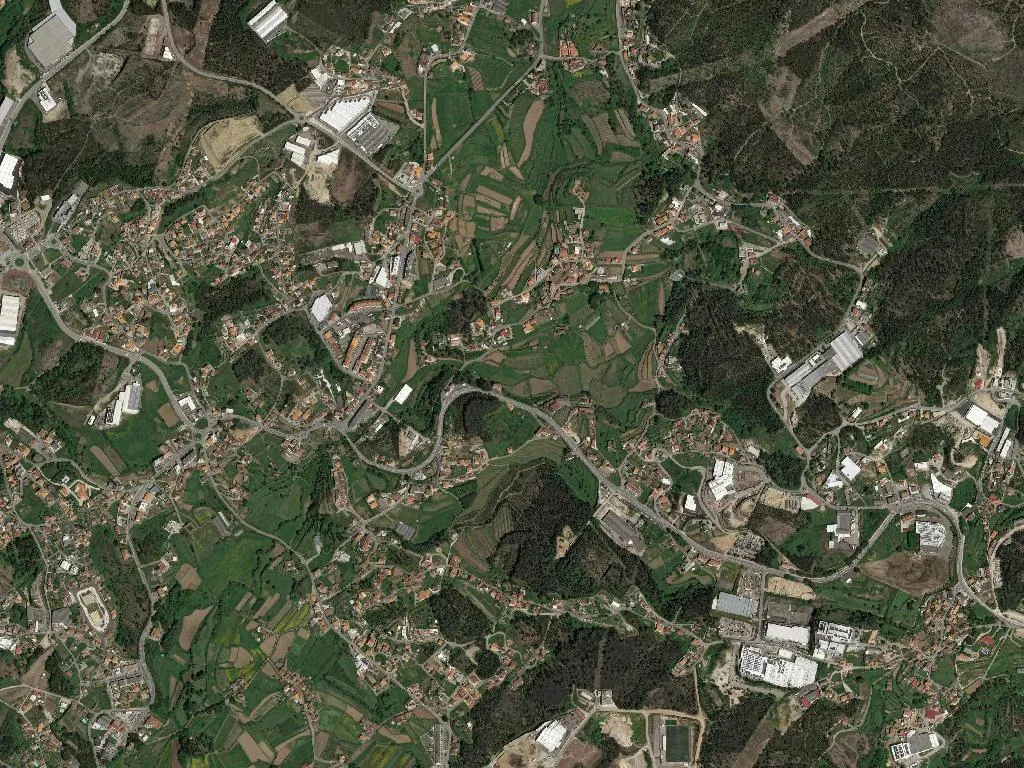
Silvina’s wood-fired oven is already breathing at five-thirty. By six the lane outside her single-storey padaria smells of crackling crust and fermenting must from the rows of Loureiro and Azal that press against almost every back wall. Astromil’s 1,067 inhabitants occupy such a slim wedge of the Sousa valley that tractors brake for chickens, yet the altitude – a whisker under 200 m – is just high enough for Atlantic cloud to spill over the ridge, gifting the grapes the razor-sharp acidity demanded by vinho verde.
Wine, chapel and a parish bus
The village is neither lost nor found: the daily school bus to Paredes departs at eight sharp, but the road it follows is still the one farmers use to move a trailer of canes from quinta to quinta. Most households now sell their fruit to the co-operative in Cristelo, yet stone basements hide basket presses and proud grandfathers who produce one barrel a year, labelled in felt-tip like a prize marrow at a county show.
Igreja do Salvador squats exactly on the geographical centreline. On 6 August – Senhor de Lordelo – even the twice-a-year Catholics slide into the same pew their parents occupied. Mass is brisk; afterwards the square fills with sardines, cheap red wine and a village choir whose fado repertoire never made it onto Spotify. Tourists are not refused, simply unnecessary: every face in the queue for grilled fish is already known from baptism.
From hill to plate
Astromil’s calling cards carry protected status. The capão de Freamunde – a castrated cockerel fattened on maize – is roasted for six hours until the skin shatters like burnt sugar, the meat below tasting faintly of smoke and thyme. Dark heather honey, almost liquorice in colour, gathers its resinous bite from wild rosemary and strawberry-tree blossom. Elders still spoon it onto corn-bread baked in Sequeira’s communal wood oven, claiming it cures everything from bronchitis to a broken heart.
Summer festas keep the traditions alive: caldo verde sharpened with chilli-streaked chouriço; pork belly cubed with chestnuts when October mists return; sarrabulho rice thickened with pig’s blood for the courageous. Plastic beakers are refilled from five-litre jugs as if the wine were tap water, yet no one staggers; the alcohol is merely a hinge on which the laughter swings.
A rhythm measured by church bells
There are no signposted trails, no gift shops. Instead, the day is scored by the church bell at seven, by Quim’s café which opens at six-thirty and closes when the last domino falls, and by the scrubland football pitch where children play until a mother’s whistle slices the dusk. In July old men shuffle cards beneath acacias and argue about sugar levels the way others debate VAR. January brings Atlantic gales; doors slam, televisions murmur through stone walls, and the village shrinks to the glow of a wood stove.
The vines are pruned, the granite doorsteps shine after rain, and Astromil remains – small, stubborn, entirely itself.