Full article about Baltar’s Honey-Scented Highlands Above Porto
Granite manor, DOP honey, crackling Capões—Paredes’ pocket-sized parish uncorked.
Hide article Read full article
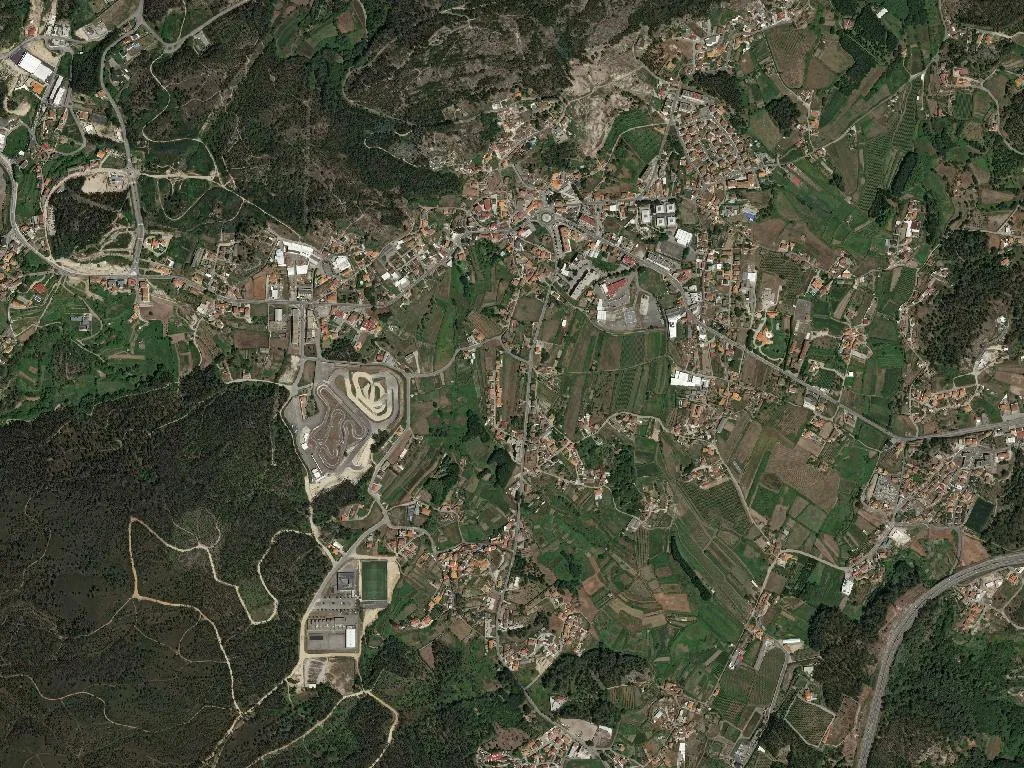
The first woodsmoke of the day drifts across the lanes just as the beekeeper lifts the lid on his hive. In Baltar’s seven square kilometres of crumpled highland, the Vinho Verde terraces cling to slopes that feel kneaded into shape by someone working clay in a hurry. At 290 m above sea-level the air is thin enough to carry both the scent of burnt eucalyptus and the low hum of 40,000 bees waking up.
Honey that tastes of the room it slept in
Walk into the padaria at seven and you’ll probably meet José—still in his wax-flecked veil, queuing for yesterday’s broa to soak up coffee. “This isn’t honey,” he insists, tapping the jar, “it’s currency the bees mint themselves.” He’s not grandstanding: the dark-amber Minho high-land honey carries Europe’s DOP seal and a colour that sits somewhere between late-afternoon sun and burnt caramel. Up the lane, the free-range Capões de Freamunde scratch through orchards for six months before they see an oven; the flesh stays taut, the skin lacquers like parchment, and Ana at the tasca roasts them with nothing more than salt, garlic and the last of the wine must.
The granite house that outlived the road
They still call it “o casarão”—the big house—though it’s only two storeys. Built in 1753, it’s the only listed building in the parish and it squats at the junction where the EN329 bends towards Paredes. Granite blocks, rainwater-smoothed and puzzle-tight, have absorbed three centuries of Atlantic weather; the mortar is the colour of weak tea, the doorway just high enough for a 17th-century Portuguese soldier in stacked heels. No one lives there now, but the parish council keeps the roof on to stop the stones forgetting where they sit.
Festa nights when the road becomes a dining table
Come June, the entire parish migrates three kilometres down to Rebordosa for the Festa de São João. Cars triple-park beside the agricultural co-op, children thread between fairground bulbs, and sardines blacken over laurel-smoke in densities that would give a Lisbon health inspector palpitations. Green wine is drawn from plastic garrafões, poured into tumblers still fizzing with primary fermentation; it races uphill to your head faster than the bumper cars can spin.
A place where you can still stall the car to say hello
Baltar’s population hovers just under 5,000—small enough to recognise half the faces in the Intermarché queue, large enough to keep the café open all afternoon. At dusk the light slips behind the Serra de Entre-Douro-e-Minho and the lanes fall quiet, but the village isn’t asleep; it’s simply operating on a timer that predates the smartphone. You can stop in the middle of the lane to ask after someone’s mother, and no one will honk. They’ll probably lean out and join the conversation.