Full article about Gandra: the pine-scented furniture capital of Porto
Whirring saws perfume the air in this Sousa-side parish where 120 factories craft export-ready oak.
Hide article Read full article
Gandra: where the air tastes of varnish and fresh-cut pine
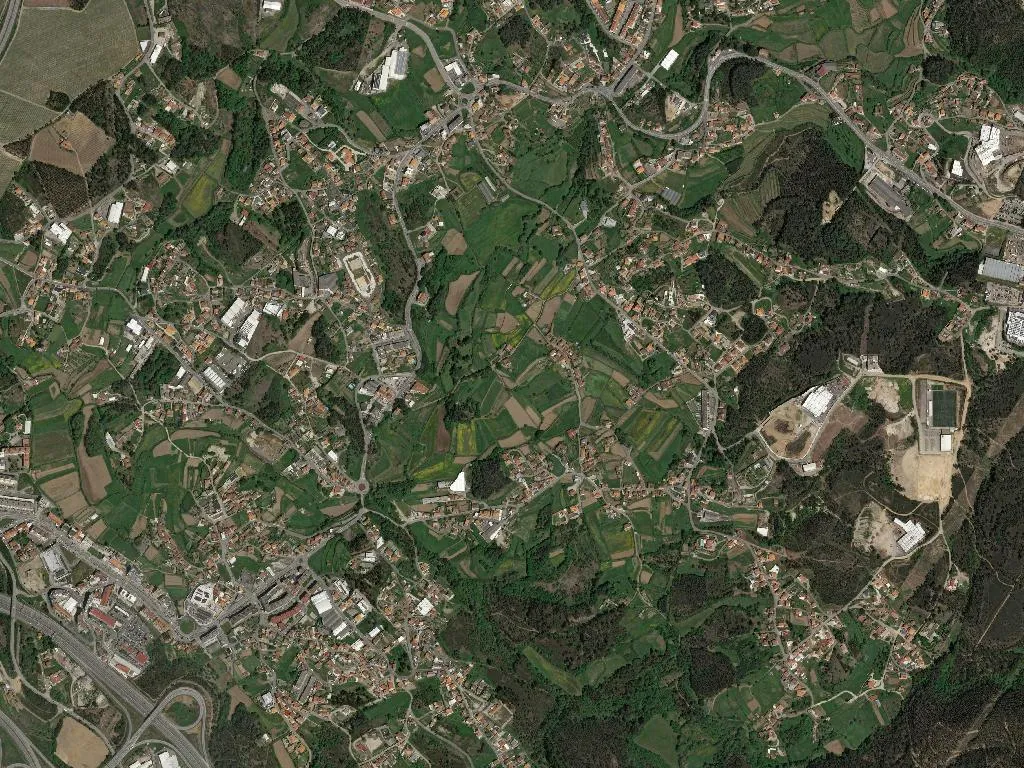
The dawn chorus here is belt-sanders and band-saws. Before first light slips across the zinc roofs of Gandra, the machines are already awake: presses thudding in 4/4 time, planers whining, timber cracking open like walnuts. The smell is equally composite — solvent sharpness drifting from loading bays over damp clay lanes that still belong to smallholdings and vine trellises. One lungful tells you this is neither city nor country, but a 6,966-strong parish that has quietly become the engine room of Portuguese furniture-making.
How wood redrew the map
The name probably derives from the Latin gandarius — marshy ground — and the topography obliges: granite outcrops, streams sliding down to the River Sousa, the altitude a modest 141 m. Medieval charters mention the settlement in the thirteenth century, yet the landscape we see today was drafted in the 1950s when cabinet-makers from neighbouring Felgueiras and Paredes migrated uphill, lured by cheap warehouses and even cheaper hydro-power. Within two decades Gandra contained one of Europe’s densest concentrations of furniture plants; today its 120-odd factories ship oak sideboards and beech café chairs to Hamburg department stores and London contract-fitters.
Stroll the workers’ hamlets — Vilarinho de Cima, Vilarinho de Baixo — and you are walking through an open-air archaeology of labour: single-storey cottages with blistered blue doors, granite walls used as improvised clamps for planks of knot-free pine. Pride is understated but unmistakable. Ask which container heading for Rotterdam left this morning and the answer arrives with the same casual authority a Douro quinta owner might cite grape sugars. Several workshops sell direct from the loading bay: mid-century side tables still tacky with lacquer, 48-hour custom bookshelves, prices scribbled on masking tape.
Practical warning: arrive with a van or pre-book a courier. I once watched a German couple attempt to wedge a 2.2 m dining top into a Renault Twingo. The relationship did not survive the car park.
Granite, Baroque and a wayside cross
Gandra’s parish church rises abruptly from a crossroads of factories and eucalyptus. Dedicated to St Michael, its façade mixes Manueline ribbing with later Baroque swagger — the stone equivalent of a chair that began life as Queen Anne and left the workshop with hairpin legs. Granite, rain-stained and lichen-laced, drinks the morning light unevenly; inside, gold-leaf retables flicker in the sideways glow that northern architects learned to choreograph long before electricity.
A five-minute walk brings you to the whitewashed Chapel of St Sebastian, focus of the parish’s annual romaria, and to a granite Latin-cross cruzeiro that once guided medieval cattle herders along the caminho real. The paths still function: unsignposted, ankle-deep in loam, they connect smallholdings where sprinkler pipes click over cabbage rows. OS maps are useless; ask the man mending nets by the irrigation tank and he’ll draw directions on the back of a seed packet.
Minho on a plate — with a glass of lip-stinging Vinho Verde
Gandra’s cooking makes no concession to tasting-menu fashion. Rojões — nuggets of marinated pork — arrive glistening, sided with chestnuts or potatoes punched open in the roasting tin. Winter means papas de sarrabulho, a cinnamon-dark blood-and-liver stew thick enough to stand a spoon in. Kid goat is cooked long until the edges caramelise; caldo verde is sharpened with the local couve galega, a kale variety that tastes as though it has been engineered for chlorophyll intensity.
Desserts divide loyalties: heavy wedges of toucinho-do-céu (literally “bacon from heaven”, though it is just egg yolks, almonds and guilt) versus cloud-light queijadas baked by Dona Alda and sold from her front door on Sunday mornings. Arrive after 10 a.m. and you will join a queue of disappointed regulars clutching Tupperware.
The parish sits inside the Vinho Verde demarcation, and the local white — bottled under backyard labels with names such as Quinta do Outeiro — carries the region’s tell-tale spritz and granite-mineral snap. Mr Aníbal, whose vines occupy a south-facing slice of railway embankment, will tilt the pipe so the first glass spills onto the dusty floor “for the angels” before filling a small tumbler for you. His wife sells takeaway two-litre plastic bottles; hide them in the car or you will be asked to share on the back-road to Porto.
Look out, too, for Capão de Freamunde IGP, a slow-grown cockerel prized across the Minho for its firm, flavour-dense breast, and dark, resinous honey from the high heather slopes that works drizzled over fresh serra cheese or simply torn cornbread.
The calendar that halts production lines
For nine months of the year the decibel count rules, but late September belongs to St Michael. On the 29th the factories shut, shop-floor dust is hosed away, and the narrow high street becomes a processional route of brass bands, embroidered banners and fireworks that sound like nail-guns amplified through Marshall stacks. Similar devotion colours the feasts of Our Lord of the Stations, Our Lady of the Conception and St Sebastian — each with its own brass band, grilled-sardine smoke and makeshift beer stands where supervisors and polishers drink side by side. If you attend the open-air Mass for St Sebastian, bring a folding stool; pews fill by dawn and I have seen locals perched on ancestral graves, hymn books balanced on marble crosses.
The final note
Come late afternoon, when compressors sigh into silence and forklift lights blink off, another sound emerges: wind threading the stacked timber in factory yards — pine for IKEA wardrobes, oak destined for a Parisian hotel refurbishment. The pitch rises and falls according to plank width and prevailing breeze, producing a chord part Aeolian harp, part ventilation duct. It is Gandra’s private lullaby, neither pastoral nor industrial, and it follows you down the A4 long before the cathedral towers of Porto appear on the horizon.