Full article about Lordelo: Grapes, Granite & Grandmothers in Paredes
Terraced vineyards, stone bread-ovens and a noon bell echoing across 976 hectares of northern Portug
Hide article Read full article
Lordelo, Where the Granite Remembers the Harvest
The smell arrives before the view. It is the scent any child who ever truanted from school to “help” in a relative’s winery will recognise at once: crushed grapes beginning their ferment, sweet, yeasty, faintly alcoholic, tugging you straight back to the days when your job was to stand on the lagar and squash fruit with bare feet until purple juice ran between your toes. At 250 m above sea-level Lordelo’s air has the density of neither mountain nor coast; it hangs somewhere in between, a hesitation between hot-land and cool-land that makes the perfume linger a little longer.
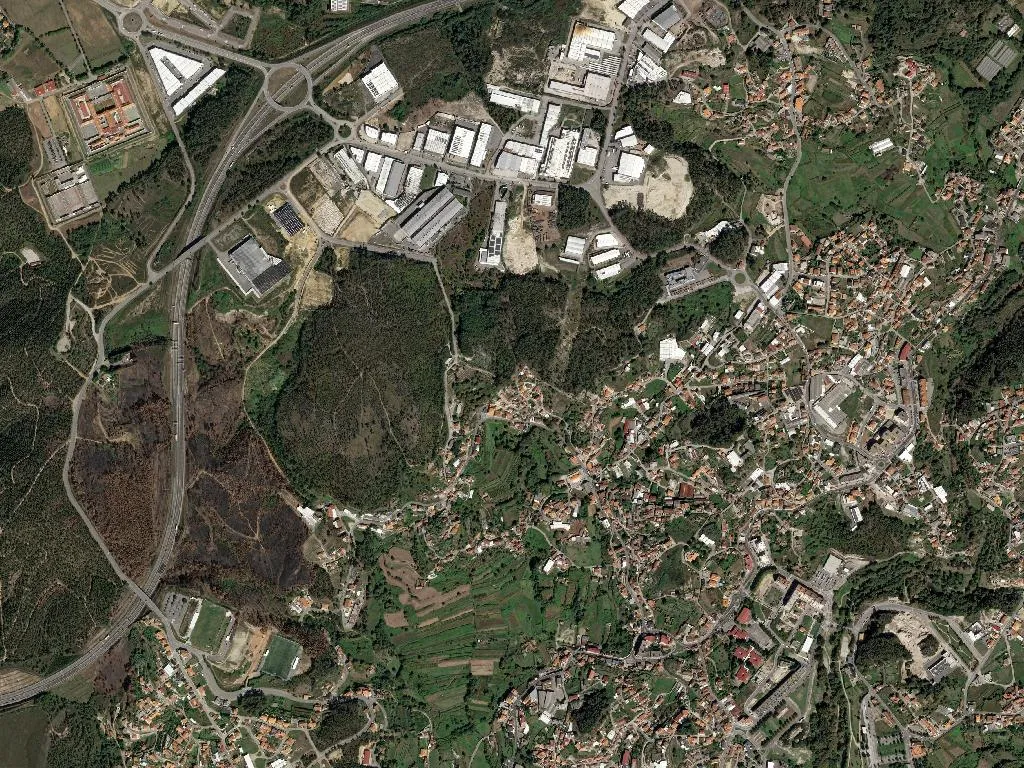
Lordelo spreads across 976 hectares of the municipality of Paredes, 35 km east of Porto, and packs in 9,100 souls—roughly the population of a Cotswold market town crammed into half the space. There are three cafés, so you won’t greet everyone while ordering a bica, but the woman who sells morning bread still remembers whose grand-daughter you are.
A Name That May Have Started With a Tower
“Lordelo” is the Portuguese equivalent of “Green” in English parish nomenclature—common, centuries old, and impossible to pin to a single origin. One theory points to a small medieval watchtower, long since quarried for stone. What is certain is that the name appears in 13th-century charters, meaning this granite has been watching history unfold since Lisbon was still a Moorish port.
Granite, Whitewash and the Midday Bell
The parish church of the Divino Salvador will never trouble Instagram. It is a low, white-and-grey rectangle with a Romanesque doorway and a bell that still fires at noon, timed by farmers who trust bronze more than smartphones. Inside, three generations of the same families were baptised on the same stone font. When legs grow too stiff for the climb to Sunday mass, pensioners divert to the tiny chapel of São Miguel among the vines, a single-aisled refuge scented by candle-wax and ageing missals.
Everything else is architecture without architects: two-storey houses carved from local granite, slate roofs weighted against Atlantic storms, haylofts that survive because demolition costs more than forgetting. The men sit on the same 80-cm wall they sat on at fifteen, trousers polished smooth by decades of schist.
Sarrabulho, Cockerel and the Green in Your Glass
Start with arroz de sarrabulho, a mahogany risotto bound with pork blood, cumin and smoked bacon. It is anaemic-cardiology on a plate, traditionally eaten in shirt-sleeves with a tumbler of rough red while the October rain drums on corrugated roofs. Follow with rojões à minhota—cubed pork shoulder flash-fried then stewed in garlic, bay and white wine—mopped up with broa, a dense maize-and-rye loaf that can chip a crown after 48 hours out of the oven.
December belongs to Capão de Freamunde, a 3-kg castrated cockerel whose IGP protection rivals that of Stilton. The birds roam until early winter, develop a fat cap worthy of wagyu, then are stuffed with smoked ham and slow-roasted for Christmas Eve. One bird feeds a consanguineous table of fourteen and tastes of chestnuts and open-field herbs.
The wine is labelled Vinho Verde but is not green in colour—merely young. In Lordelo you drink it in the quinta yard, glass in left hand because the right is ferrying almonds to mouth. Whites show Atlantic snap, reds are almost claret-light; both settle at 10.5% so you can still operate heavy machinery. Finish with honey from the Terras Altas do Minho (DOP, naturally) dribbled over fresh queijo de ovelha or the local toucinho-do-céu, a yolk-rich almond tart that translates, alarmingly, as “bacon from heaven”.
Tracks Through Vines and Vallies
Way-marking is refreshingly absent. Paths begin at the café door, pass the house where Zé keeps his gate permanently ajar, tunnel through vines trained on granite posts like a lesson in descriptive geometry, and finish at a stream where locals still tickle bogas—small barbel you peel rather than fillet. Spring turns the woods almost indecently emerald; October swaps the palette to ochre and crimson as the red-fleshed Azal Tinto and Touriga Nacional prepare for harvest.
When the Village Becomes a City
For three days each August Lordelo swells to urban proportions. Colchas—hand-stitched bedspreads—hang from balconies like bunting, philharmonic bands compete with loudspeakers broadcasting cheesy pimba, and smoke from chouriça grills hangs thick enough to hide the bell-tower. The Festa do Divino Salvador is the annual licence for expatriates to return, display German-registered cars and pretend they never left. A fortnight later the romaria of São Miguel fills the smaller chapel with women who can recite the rosary and catalogue village scandals in the same breath.
Two Places to Sleep, No Spa in Sight
Accommodation totals one manor house and two rooms above a bakery. There is no infinity pool, no hot-stone massage, no “authentic experience” package. What you get is a bed, breakfast bolstered by home-made sponge cake, and the certainty that no one will stage a folk dance for you. Authenticity arrives gratis: the neighbour explaining why the 2023 vintage turned; the baker remembering you bought bread here three years ago; the café dog greeting you like a long-lost bone despite your complete memory lapse.
At dusk the sun drops behind the trellis, the last bunch of grapes lands in the wicker basket with a soft thud, and you realise Lordelo is not a destination to tick off but a doorway you walk through. You leave with purple fingers, the taste of must on your tongue and an unspoken appointment to return when the granite once again holds the weight of the harvest.