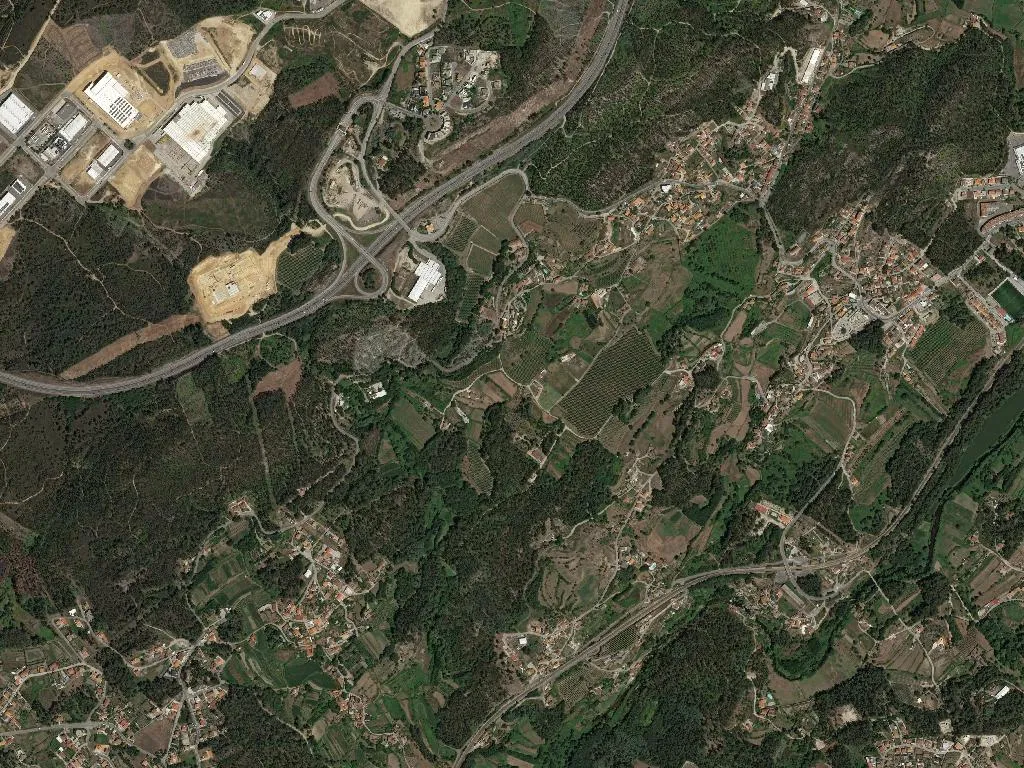
Full article about Parada de Todeia
Walk Parada de Todeia’s dished granite steps, taste yard-fresh capão, honey and caldo verde while gaitas echo off stone.
Hide article Read full article
The granite doorsteps are still dished from 200 years of feet—wellies to the fields, Sunday shoes to mass, trainers to the corner café for a 60-cent bica. In Parada de Todeia stone is not backdrop; it is the village’s ledger, every chip a debit or credit in someone’s life. Three hundred-odd hectares, 1,792 souls, 190 m above sea-level—high enough that, on diamond-bright winter mornings, the peaks of Peneda-Gerês float like cut-outs above the neighbour’s washing line.
Between the vine and the table
We are technically Vinho Verde country, yet the vines share their pergolas with sweetcorn and the hay meadows that feed the Miranda oxen. The surplus land is parcelled into walled plots where purple-kale for caldo verde climbs above scarlet-runner beans destined for wedding soup. Capão de Freamunde—castrated cockerel fattened on maize and chestnuts—carries IGP protection, but villagers care more that you can still buy one straight from the yard, throat cut and plucked while you wait. Honey is labelled Terras Altas do Minho, spoon-standing stuff tasted from the lid before any money changes hands, the way it’s done from Braga to the Spanish border.
Eating here is not restaurant-driven; it’s neighbour-dependent. Dona Alda’s smoke-cured alheiras are ready only around St Martinho’s Day. Sr Armindo fires the communal bread oven at dawn on alternate mornings; you bring your own dough, he keeps the crusty tails. Chouriça dangles like bunting over kitchen tables, sliced thinner as nights lengthen. There is no menu, only a shouted invitation: “Caldo on the hob at one—bring bread, mine’s run out.”
Saints, bagpipes and summer waltzes
The liturgical year is punctuated by drone and drum. In May the romaria to São Miguel de Rebordosa sets off across the parish—image in one pocket, picnic of roasted kid and vinho tinto in the other, gaita bands competing for airtime. August belongs to the Divino Salvador fair in Paredes town: wine drawn from oak barrels into thick glass tumblers, payment by honesty box, mass at eleven, waltz-at-midnight in the floodlit churchyard. Somewhere between the two you’ll find a Lisbon engineer who has just learnt his grandmother was born in the next hamlet and is busy measuring abandoned stone houses. Let him talk—new blood arrives conversation by conversation.
Who stays, who circles back
Of the 1,792 residents, 250 still do homework and 315 collect pension top-ups for glasses. The rest commute—down to Tâmega’s textile plants or Penafiel’s industrial park—returning at dusk to eat, water the tomatoes, stream Netflix. Six dwellings are now registered as rural lodging: three refurbished by emigrants back from France, two weekend escapes owned by Porto architects, one the陶瓷 studio where Catarina teaches wheel-thrown pottery and rents the attic to anyone keen to master the Minho casserole dish. No one has struck gold, yet fibre-optic broadband and espresso with homemade orange cake have slowed the drift to the cities.
Where the day keeps its own weight
Parada de Todeia is not on the way to anywhere. Arrival demands a deliberate detour or an honest-to-goodness wrong turn. At six, when the sun ricochets off the baroque bell tower and the wind carries the tang of someone burning eucalyptus prunings, the entire parish shrinks to the size of a coffee saucer. That is the moment you understand: time here is not slow; it simply belongs to the people who live it. And that, my friend, is a commodity no booking platform can list.