Full article about Sobrosa: Granite, Smoke-Cured Pork & Midnight Drums
Above the Vinho Verde terraces, Sobrosa swaps bottles for jugs of rough red and three-week oak-smoke
Hide article Read full article
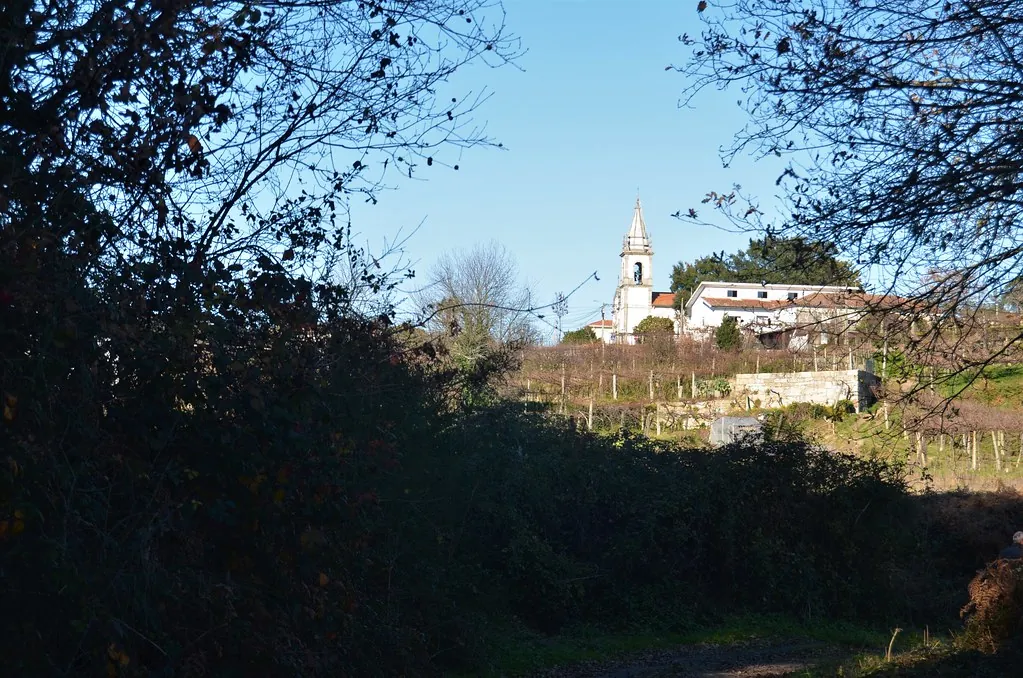
The church bell arrives muffled, carried on the wind that combs the rows of Loureiro. It is 19:30, the half-hour when the priest still summons the stubborn faithful to Mass. At 316 m the granite is not an outcrop; it is the very wall you lean against, stacked by men who knew every splinter of their own land, stone on stone, to cradle the terraces where the vines grow corkscrewed by the Marão’s breath. The air smells of damp oak leaves from the chestnut grove and of the manure that slips from the tractor’s trailer as it crawls home.
Vineyards that are more than green
Yes, this is Vinho Verde country, but the drink you are offered in Sobrosa is a table red made by Sr. Joaquim in the granite adega beside the EN209. It never sees a bottle; women ferry it away in five-litre plastic jugs that clank in the boots of ageing Clios. The Capão de Freamunde – the air-cured pork collar – is not hanging in a smokehouse; it swings from a beam in Dona Alda’s hearth at Casa do Leitão, smoking for three weeks above smouldering oak while yesterday’s socks dry on a chair nearby. Want some? Book ahead: €12 buys a portion, served with stone-milled cornmeal porridge and grelos (turnip tops) sautéed in home-cured streaky bacon.
The honey is not “local”; it belongs to Zé Manel, whose hives sit high on the Carvalhal ridge. He sells it on Saturday mornings in Paredes market. Dark as espresso, it leaves a burnt-caramel note that divides the table – some find it too fierce. The brambles are not “wild”; they are simply brambles, scratching your shins while you reach for chestnuts in October.
Festas where you lose count
Sobrosa has no festa of its own; it borrows the ones in next-door Rebordosa. August brings the town’s proper festival – bombos (skin-drums) pounding until four in the morning. September is São Miguel, when emigrants fly home from Paris and Geneva and the back-garden smokers are loaded with chouriço-stuffed cabbage rolls. In Paredes the procession of the Divino Salvador is the one where grandmothers wear black lace headscarves; the boys, meanwhile, slope off to the makeshift bull-ring beside the gym-club for a drink of sagres lager and a glimpse of someone else’s courage.
Those who stay, those who leave
The parish register claims 320 children under fourteen. In truth half are already away, bussed to private schools in Paredes or Porto. The 492 old people are easier to spot: in the Central café at nine, stirring aguardente into their espresso, or on the stone bench by the wayside cross, waiting for the November sun to warm their backs. Marta, 28, works the till at Staples in Porto but drives home every evening – she says it’s to help her mother, really it’s because her boyfriend never left. The only place to sleep is Ana’s grandmother’s house: two spare rooms on Airbnb, €30, breakfast not included, guaranteed wake-up call from the cockerel at five.
When the late sun strikes the church tower the granite glows the colour of heather honey and Sobrosa smells of woodsmoke and washing powder. A hoopoe clacks from the walnut tree; Toninho’s dog barks at the postman; over-ripe figs thud onto the pavement and ferment because no one can be bothered. It is not a spectacle – it is simply this, every day, for as long as anyone remembers.