Full article about Castelões: Vinho Verde silence between granite walls
Walk schist terraces, sip citrus-scented Loureiro, count bullet holes in 1715 Calvário stone
Hide article Read full article
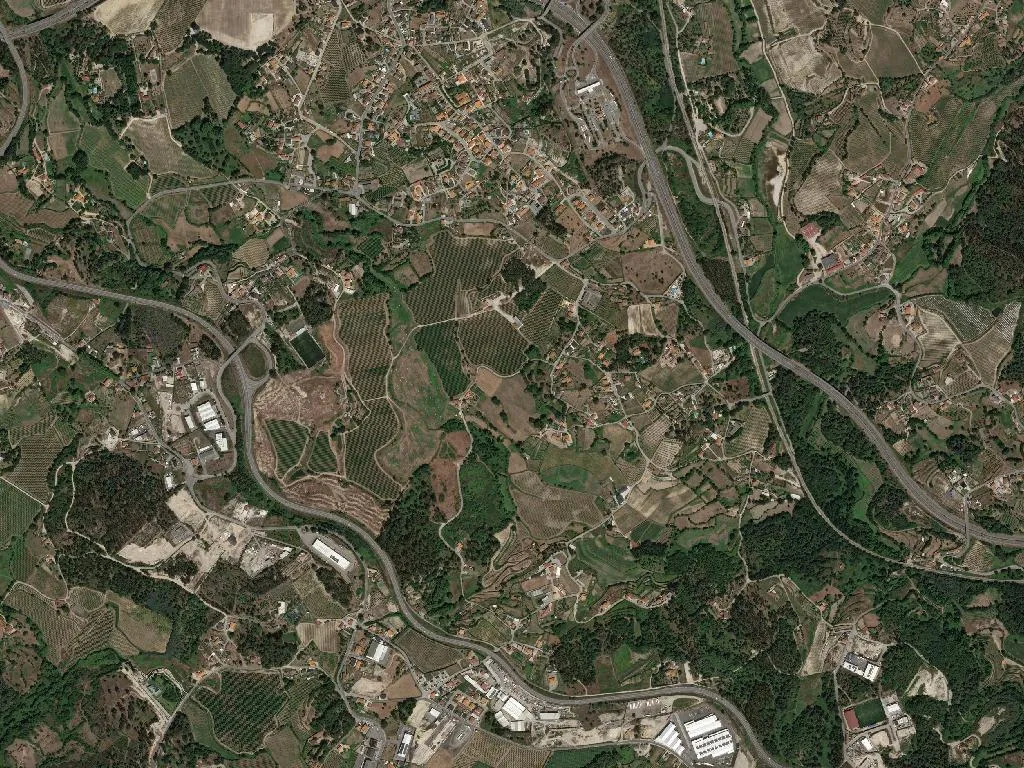
The granite walls narrow, the tarmac shrinks to a single lane, and the first thing you register in Castelões is the hush—only the faint bronze note of the bell in the tower of São Vicente drifting over trellised Loureiro vines. No coach parties, no itinerary, just 1 364 souls spread across 4.22 km² of ribbed farmland at 174 m above sea level. The light is peculiar to this dip in the Entre-Douro-e-Minho: filtered through the pergolas of Vinho Verde, it throws a lacework of shade onto the uneven flagstones of Rua Direita.
A landscape measured in centuries, not kilometres
Every field is edged with labour. Schist walls shoulder the terraces, maize stands in military rows, and granite espigueiros on stilts still keep maize safe from mice. The Atlantic weather blows in soft and damp; the grapes like it that way. Loureiro gives citrus and bay leaf, Alvarinho delivers peach and salt—both thrive on the coarse granite sands. Three kilometres east, Quinta da Aveleda has been turning those varieties into Portugal’s first commercially released rosé Vinho Verde since 1988, its 19th-century cellars lined with 300 oak barrels and its gardens haunted by the scent of 100 camellia cultivars.
Quiet stone, living faith
The Calvário de Castelões, listed since 1978, is not a swaggering baroque monument but a hillside puzzle of small shrines that re-enact Christ’s stations in local stone. The 1715 cross at the summit records the date in Manueline knots; bullet holes in one niche testify to a bored soldier during the 1809 Peninsular War. Inside the parish church, 16th-century woodcarving gilded with Brazilian gold faces a cold iron chandelier installed by the Salazar regime—colonial wealth beside post-war austerity.
Demography is geography here: 176 children under 14, 286 residents over 65. Yet the social calendar is stubbornly intact—São Vicente on 22 January, when the priest blesses animals in the square; the May procession for Our Lady of Fátima, scarves and rifles shouldered side by side; the communal grape-pick in September, when the village oven fires up to bake broa de milho sweetened with honey from Canelas.
One café, one restaurant, one choice
Castelões offers no boutique retreats, only Casa do Castelão, a granite house converted in 2019 with three rooms and a wood stove. Breakfast is taken at O Padrão on the church square—galão coffee and a papo-seco roll buttered while you wait—then lunch at O Solar on Rua de Baixo, open strictly 12-3. Order rojões à moda do Minho—pork shoulder marinated in garlic, cumin and bay, finished with blood-enriched papas de sarrabulho—and accept the house rule: no menu, no bill until you finish your glass of lightly spritzed white.
The last bakery closed in 2003; bread arrives daily from Silva in Penafiel, 8 km away. If you need anything else, the Intermarché on the N209 will have to do.
A walkable layer-cake of ownership
There are no dramatic viewpoints, just a domesticated mosaic. Follow the dirt lane west to the Sousa river and you pass water-mills roofed with lichen, allotments where Dona Albertina ties her kale with torn bed-linen, and oak coppice that once fed the iron foundries of Vizela. Each plot carries the owner’s initials hacked into granite; some date to the 1640 parish cadastre. Turn south at the abandoned railway halt and you reach a Roman milestone repurposed as a gatepost—its inscription to Emperor Trajan still legible if you run your finger through the moss.
Nightfall, measured in door-latches
By nine the café shutters slam, the village dogs conduct their census, and one by one the yellow rectangles of kitchen light appear. Stand at the junction of Rua Direita and Rua de Cima and silence acquires weight, pressing on the eardrums like altitude. Somewhere uphill, Mr Armindo’s cockerel rehearses 4 a.m. The granite still holds the day’s heat; overhead, the Serra do Marão is a black bulk against Prussian blue. You realise the only decision left is whether to open another bottle of that faintly fizzy Loureiro now, or wait for breakfast.