Full article about Duas Igrejas
Two hamlets, two saints, two bells—Duas Igrejas hovers 440 m above Penafiel amid pocket-sized vineya
Hide article Read full article
The bell that rings for two
The N211 climbs in long, confident curves through maize and trellised vines. As you ease off the accelerator at the village threshold, a single bell tolls the half-hour, its bronze note suspended in air that feels thinner, scrubbed clean by 440 m of granite altitude. Late sunlight stretches the shadows of the low schist walls that parcel up the plateau; between them, the white-grape canopies of September sag with Loureiro and Azal bunches destined for the sharp, spritzy Vinho Verde of Penafiel’s western fringe.
A name in the plural
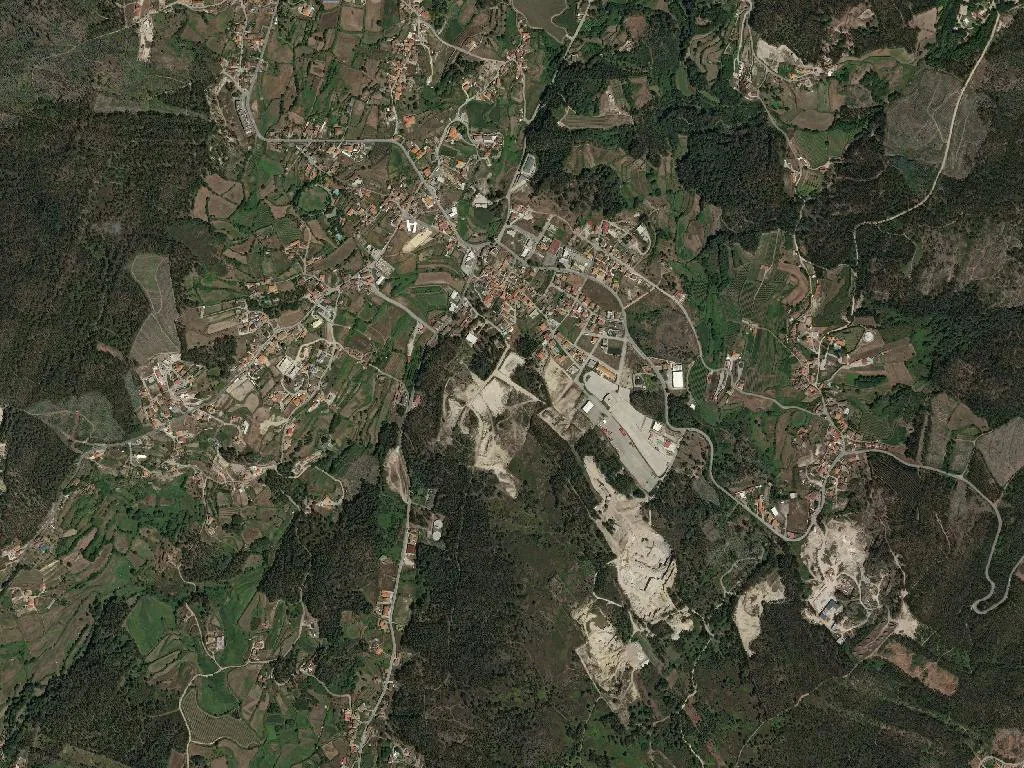
Ask a local why the place is called Duas Igrejas and you will get geography, not folklore. Two hamlets, two parish churches, two patron saints, two churchyards barely 700 m apart. Stroll from one centre to the other and you cross three centuries of boundary disputes and devotional rivalry. On feast days the bells still trade phrases across the fields: São Vicente in the west, São João Batista in the east, their peals overlapping like stereo speakers.
Between vine and vert
A population of 2,255 is scattered across 810 hectares—roughly the density of a London borough squeezed into the Isle of Wight. The parish council keeps a tally: 316 children, 340 residents over 65. The arithmetic explains the tempo. Mid-afternoon the only soundtrack is irrigation water slipping along stone levadas; by four o’clock the primary school disgorges a brief burst of backpacks, then silence returns. Elderly men occupy granite benches warmed by the west-facing sun, discussing yesterday’s rainfall with the precision of sommeliers.
The landscape is stitched to a viticultural calendar. From mid-August the air smells of crushed grapes and woodsmoke; terraced vineyards, none wider than a dining table, step down the slope in quiet geometry. Unlike the Douro’s postcard ramparts, these plots were never built for spectacle—only for draining the granite’s rainwater and coaxing acidity into white berries. Walk the rows at noon and the temperature drops three degrees beneath the foliage, a natural air-conditioning that explains why locals harvest in T-shirts at 8 a.m. and sweaters by eleven.
Stay, but linger
Accommodation totals three listings: a self-catering granite cottage, an upstairs apartment with grape-wood beams, and one set of en-suite rooms overlooking the Azal plot. No booking platform ranks them; you ring the owner, agree on a time, and find the key under a flowerpot. What follows is measured by roosters, not reception desks. Breakfast is coffee the colour of mahogany and yesterday’s bread toasted over a wood burner; the only traffic jam is a hen considering the merits of the opposite pavement.
Logistics are simple. Penafiel’s supermarkets and railway station lie ten minutes down the hill; from there it is 35 minutes on the urban train to São Bento in Porto. Yet when you return after dark the plateau feels detachable from the metro timetable. Streetlights bow out soon after ten, surrendering the sky to a scatter of stars sharp enough to cut glass. Dawn brings valley mist that climbs the slope like a slow reader turning pages—an argument for staying in bed, and for getting up early enough to watch it lift.