Full article about Morning Light & Loureiro Grapes in Galegos, Penafiel
Granite houses, camellia hedges and home-fermented Vinhos Verdes scent the 224-metre dawn.
Hide article Read full article
The Light of Morning
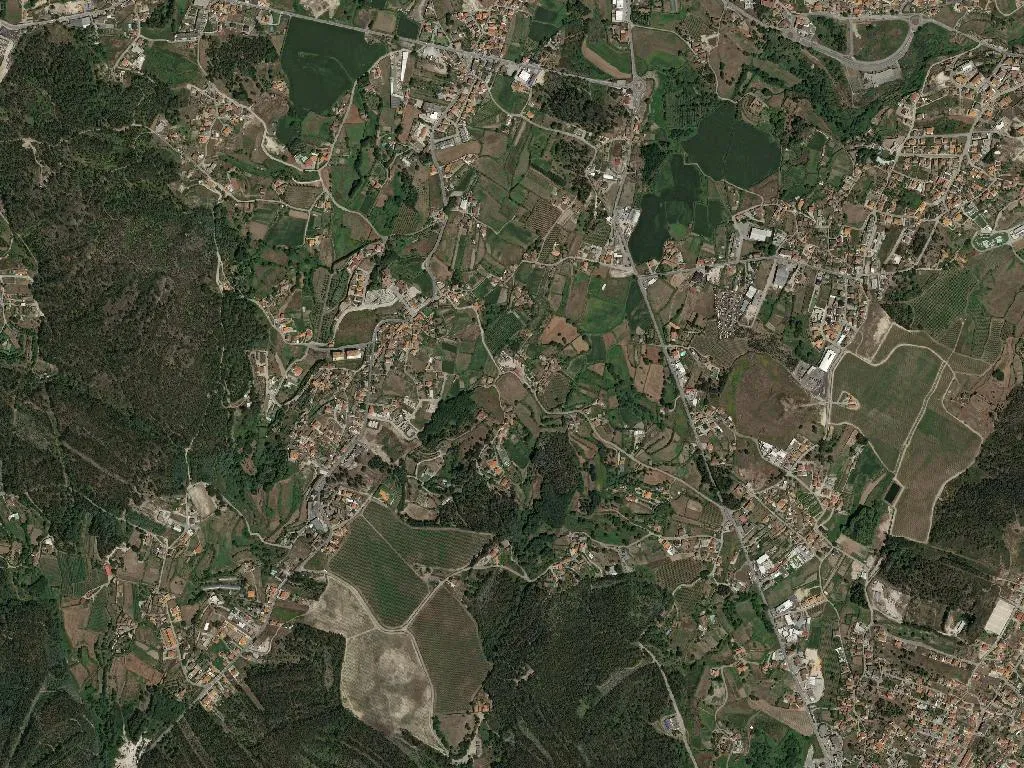
Morning light slips sideways through the double-glazing of the 1990s villas, yet it is the granite skins of the older houses that release yesterday’s stored heat like storage heaters. At 224 m above sea-level, Galegos unrolls across a mild topography where Vinhos Verde vines alternate with orchards and vegetable plots hemmed in by camellia hedges. The air smells of freshly-turned soil; on a south-westerly you catch the sugary waft of ripening loureiro grapes or the thin ribbon of wood-smoke from a breakfast fire.
Between Generations
The parish statistics read like a tightrope: 401 children and teenagers, 409 over-65s. Their paths cross on the church forecourt, in the single café, in backyards where grandparents still keep chickens and grandchildren appear each weekend. Population density sits at 565 people per km² – enough footfall to hear voices in the street, gates that squeal, the metallic snap of pruning shears on last year’s canes.
Modern detached houses now occupy ground that was marshy flax fields a generation ago. Returning emigrants and Penafiel commuters were lured by land prices that, even today, hover around €45 per m². Yet the original fabric survives: two-storey stone houses with wrought-iron balconies, ashlar doorways, interior courtyards where laundry flicks in the breeze. Locally-quarried granite still corners the buildings, marks property lines and feeds the occasional cattle trough along the dirt lanes.
Vineyard & Table
Vinhos Verdes is not a marketing tag here; it is an agricultural reality. Vines either climb granite pergolas or are trained along wires, depending on the decade of planting. The granitic soil and Atlantic climate give the whites a bright, almost citric acidity. In the outbuildings beside family houses, aluminium vats ferment micro-batches that rarely leave the valley. They are poured into thick tumblers at lunch with no ceremony beyond a nod.
The kitchen follows the farm calendar. January means a rib-sticking soup of turnip tops and white beans; winter Sundays bring wood-oven kid goat. In April, tender broad beans jump in pork fat with chouriço; August is for charred peppers beside sardines. There are no starred restaurants, but three tascas open when the cook feels like it – ask Zé at the café where D. Emília is serving arroz de cabidela that day, or whether Sr António has a pot of cozido on the go. Bring cash; no one taps cards.
Walking the Parish
Unsignposted rural lanes link Galegos to neighbouring Couce and Rio Mau, squeezed between schist walls and lines of century-old oaks. These are working tracks: you’ll meet a farmer on a quad bike checking sheep or a viticulturist spraying sulphur on mildew. For visitors they offer an undemanding, unfiltered read of the landscape – gentle gradients, no rucksack required.
There are no designated viewpoints, only sudden clearings where the Sousa valley widens below. Blackbirds provide the soundtrack; occasionally a dog gives distant commentary. Meet Sr Albano and his red Massey-Ferguson and you’ll get a condensed agrarian history plus a plastic cup of last year’s white. Accept it; refusal is rude.