Full article about Vine-Sewn Guilhufe e Urrô: Schist Terraces & Idle Threshing
Guilhufe e Urrô, Penafiel: walk high pergola vineyards, smell fermenting must, hear gossip on sun-warmed schist benches.
Hide article Read full article
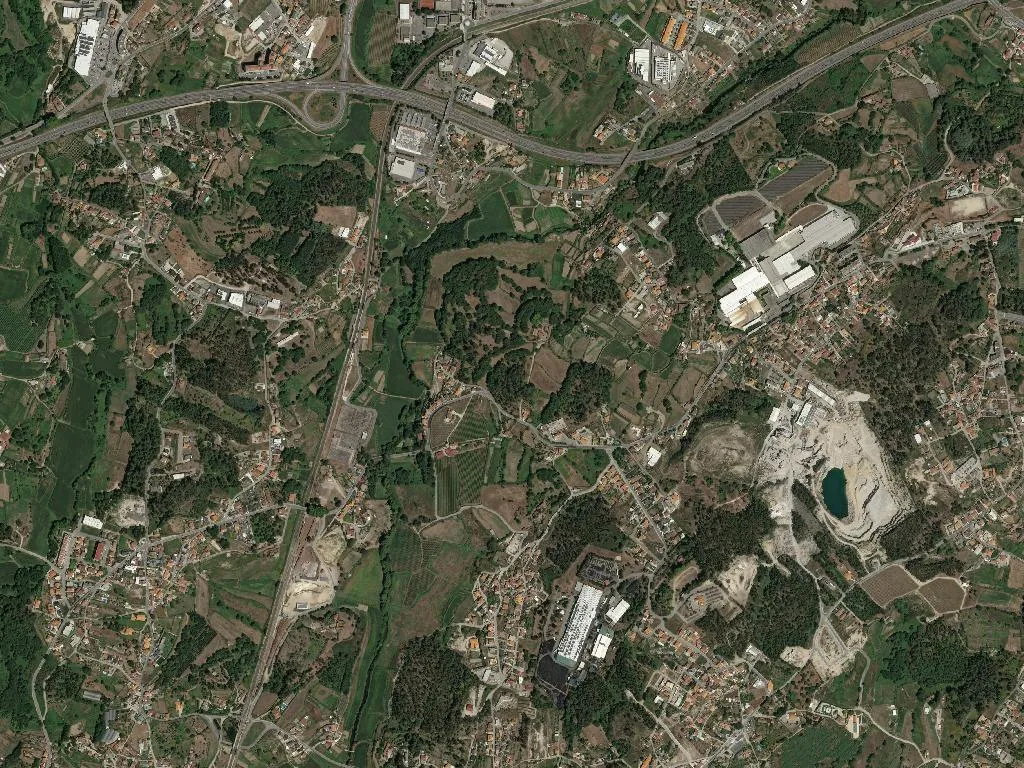
The road corkscrews between vineyards that spill downhill in lopsided terraces, the vines spaced like quavers on a score of soil. At every bend the colour palette shifts: the sharp green of vine leaves against the gunmetal schist that pokes through dry-stone walls. September sun warms the air to a cocktail of bruised grapes and turned earth, a reminder that 3,845 people here still eat what they themselves coax from the ground.
Two hamlets, one memory
Guilhufe and Urrô were yoked together in the 2013 administrative shake-up, yet they refuse to merge personalities. Guilhufe began as Villa Gulfi, a medieval estate belonging to a certain Lord Gulfo; Urrô keeps a pre-Roman suffix meaning hillock. Drive the narrow lanes and you can read the strata: Iron-Arobriga castro sites, Romanised suffixes, medieval quintas scattered among maize plots. Granite eira threshing floors stand idle beside stone crosses where traffic consists of a single tractor and a confetti of russet chickens.
Population density tops 525 per km², unusually high for northern Portugal, but settlement is molecular: a cluster of houses, a chapel no larger than a sitting room, a café that unlocks at 7 a.m. and locks again after the evening news. Of the 466 under-30s many leave for Porto’s metro; the 710 over-65s stay, pruning vines with secateurs bound in electrical tape and trading gossip on schist benches warmed by the afternoon sun.
Vinho Verde country
These 732 hectares lie at the southern gate of the Vinho Verde demarcation. Vines are trained high on pergolas, leaving room underneath for scarlet runner beans, sweetcorn, lettuces—an edible understory that smells of fresh pesto when the wind lifts. Schist gradually replaces granite here, and the wine follows suit: steelier, more mineral than the florid floral examples of the Minho coast. Family cellars announce themselves by the whiff of fermenting must each October; stainless-steel tanks have ousted the chestnut barrels, but the foot-treading lagar survives under plastic sheeting.
At 147 m above sea level the view opens north across the Sousa valley, a gentle roller-coaster of terraces and pine windbreaks. Way-marked trails lace the two hamlets, skirting devotional chapels and streams where grey willows lean so low they paint the water with their leaves. On misty dawns spider webs strung between the cordons droop with glass-bead dew that catches the first sun like cheap chandelier.
Everyday monuments
Beyond the parish church of Guilhufe—its bell-tower stonework softened by moss and time—no building carries a heritage plaque. The real architecture is functional: waist-high schist walls that have edged properties since the 1700s, cobbled paths polished by ox-cart irons, azulejo shrines the colour of Wedgwood demanding a hurried Hail Mary. Accommodation is scarce—three self-catering houses, no hotel, no gift shop—so nights are soundtracked by tawny owls and the faint throb of a diesel pump irrigating a distant terrace.
Leave at twilight and the valley smells of wet slate and vine sap. The last thing you hear is the wind riffling through the pergolas, a long hush that makes the hills feel older than their years and the present moment pleasantly perishable.