Full article about Paço de Sousa: Where Time is Measured by Bells
Romanesque silence, fermenting grapes and grandmothers who still ask whose child you are
Hide article Read full article
The Bell’s Echo
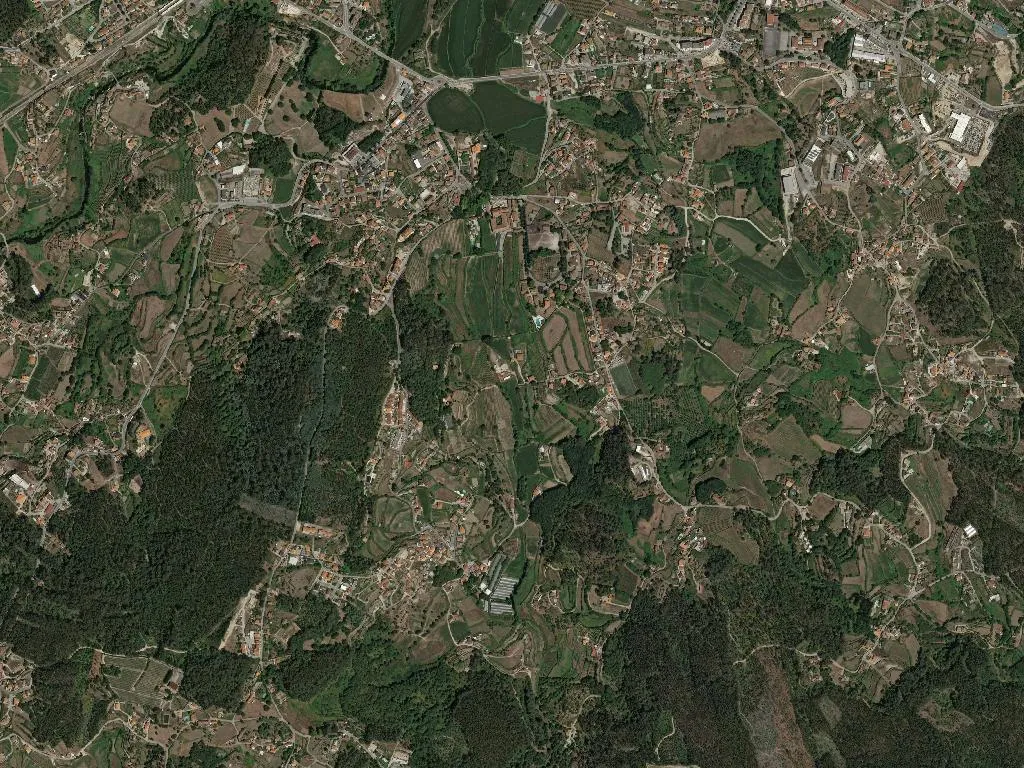
The church bell strikes 11.30 – nobody here needs a watch. The note rolls downhill to the River Sousa and bounces back, tapping the shoulders of whoever lingers in the churchyard. Afterwards there is only water over stone and the chained dog of D. Rosa barking at his own olive tree. Paço de Sousa is not “137 m above sea level”; it is the place my grandfather was born and where the bakery still unlocks its door at 7.30 a.m., July or January.
The parish roll lists 3,838 souls, a figure that fails to mention the village social club only ever makes feijoada for 120 on Sundays, or that the woman selling tickets still asks “Whose child are you?” when a stranger appears. The council office counts 744 pensioners and 489 teenagers who catch the 7.15 bus to Penafiel’s secondary school. Those who leave for university rarely buy a return ticket; those who stay tend to stay forever.
Stone That Stays
The church is Romanesque, yes, but what matters is that the oak door weighs as much as a cartload of firewood and inside it smells of candlewax and pressed linen. The tomb of Egas Moniz – school-curriculum national hero, 12th-century teacher to the first king of Portugal – stands in the side aisle. Fresh marigolds appear every third day, placed there by women from the lower village “so it doesn’t look abandoned”. No audio guides, no queue barriers: just a wicker alms box nailed to the wall and a visitors’ book that reads, “Came for the history, remained for the silence.”
The vineyards behind São Sebastião chapel belong to Dona Ermelinda. Before she hauls her red grapes to the cooperative press in Figueira she slips a bunch to each grandchild. In September the air is thick with fermenting juice and dogs pad home with purple paws. The wine has no estate name; it is simply “verde” – green, brisk, the colour of the Minho – and it cuts both thirst and small talk.
The Logistics of Daily Life
Eight kilometres from Penafiel: two roundabouts, a road so smooth it feels like carpet after the speed bumps of Parada de Todeia. Nine guest rooms are scattered through houses left empty when children moved to Porto. They are called “Casa da Avó Lourdes” or “Quinta do Vale”; ask nicely and a warm loaf will be on your doorstep by seven. There is no 24-hour reception, only a key under the hydrangea and a note: “Drink coffee, lock up, water the lettuces.”
There is no official viewpoint, but the granite bench opposite the cemetery faces west. At 18.30 the stone turns honey-coloured and swallows dive above the chapel roof. Below, the Sousa carries walnut leaves and the occasional empty Super Bock bottle. In August children leap from the disused quay; in December their parents warn them they’ll “catch their death”, then watch them jump anyway.
Paço de Sousa advertises nothing. It offers the squeal of an un-oiled window frame, the cockerel that crows at three because it feels like it, the drift of burnt toast when a neighbour forgets the oven. And it offers the certainty that, if you arrive, someone will ask “Whose child are you?” before they let you in.