Full article about Rio de Moinhos
Stone lanes climb, calves burn, lamb simmers; no menus, just Minho cadence and washing-powder crysta
Hide article Read full article
The stairs groan like a man who’s overdone the house red
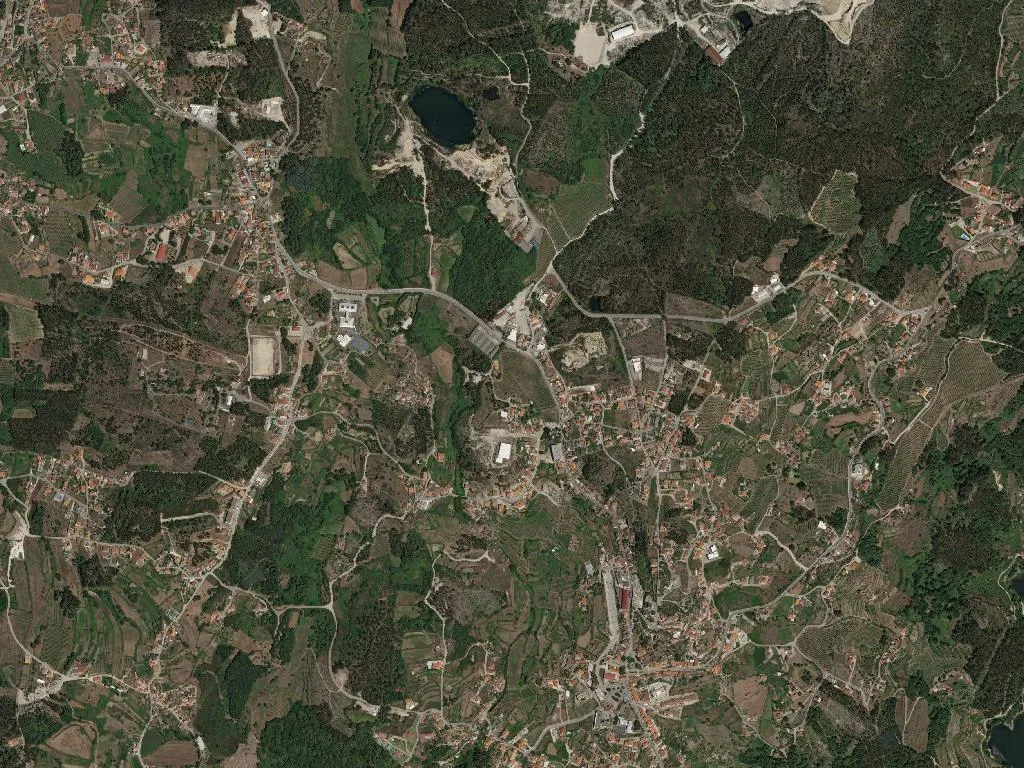
In Rio de Moinhos every slab is deliberate: laid centuries ago to keep the hillside from sliding into the Tâmega, and still doing its job. The parish head-count is 2,536, but the eight hamlets refuse to act like a crowd. Cross a garden gate and the postcode changes; voices shift from one Minho cadence to another.
What you see (and what you don’t)
Drop off the ridge and you assume it’s all downhill. The land disagrees. The valley breathes, then pitches upward again, which explains why local children develop Tour-de-Force calves without ever clipping into a pedal. The primary school roster shows 307; the over-65 roll lists 454. They occupy whatever shade the afternoon provides and judge sunset by the silhouette of Sameiro hill—no app required.
Harvest, our private New Year
It always begins the same September weekend. Vineyard owners feign urgency; the grape-less simply show up—for the wages and for the first glass poured before nine. At seven sharp Zé Manel’s tractor rattles past with a trailer that sounds like a snare drum, waking every dog in the parish. For seven days the air is thick with must fermenting in open chestnut barrels; then, overnight, the scent is gone. That’s how we know summer is over—no meteorologist necessary.
Where to eat without paying for the view
Two tascas, no signage. One belongs to António, the other to Dona Alda. The protein depends on the morning market: if lamb is plentiful you’ll get borrego; if kid is in, it’s cabrito. Rice or broa (cornbread) is decided by the cook’s mood. Vinho Verde arrives in cut-crystal glasses that once came free with washing powder. There is no menu, only conversation. Dislike the seasoning? Mention it aloud—next time the ladle will adjust. Complaints are rare; anyone who objects dines alone tomorrow.
If you come from elsewhere
Forget scenic boardwalks or fridge-magnet kiosks. The souvenir is silence—weightless, packable. Bring decent shoes: a way-marked trail climbs to the granite cross of Pedra Furada, giving you the full amphitheatre of the Tâmega valley. Forty minutes up, twenty down. Carry water, spare phone battery if you must, but the panorama will etch itself without assistance.
On the way back, when the sun slips behind the trellises and the stones still radiate the day’s heat, run a hand along Sr Albino’s back-wall. Granite, yes, but also three months of post-retirement chiselling—his insurance against idleness. It worked: at 87 he still scales his own roof without a ladder.