Full article about Termas de São Vicente: sulphur, vines & Wednesday cards
Roman waters still glide beneath vine-stitched terraces where garrafões outnumber tourists
Hide article Read full article
Dark granite setts drink in the thin morning light; wood smoke drifts from a dozen chimneys and mingles with the Sousa valley’s cool breath. Termas de São Vicente looks, at first glance, like any other small Portuguese parish—until you remember the name means “thermal baths” and realise the only steam rising here comes from kitchen stoves and the occasional espresso machine. The Romans discovered sulphurous springs in AD 315, but today the water flows discreetly underground, channelled to a modern clinic-hotel on the edge of the settlement rather than into open pools beneath plane trees.
A landscape that prefers the horizontal
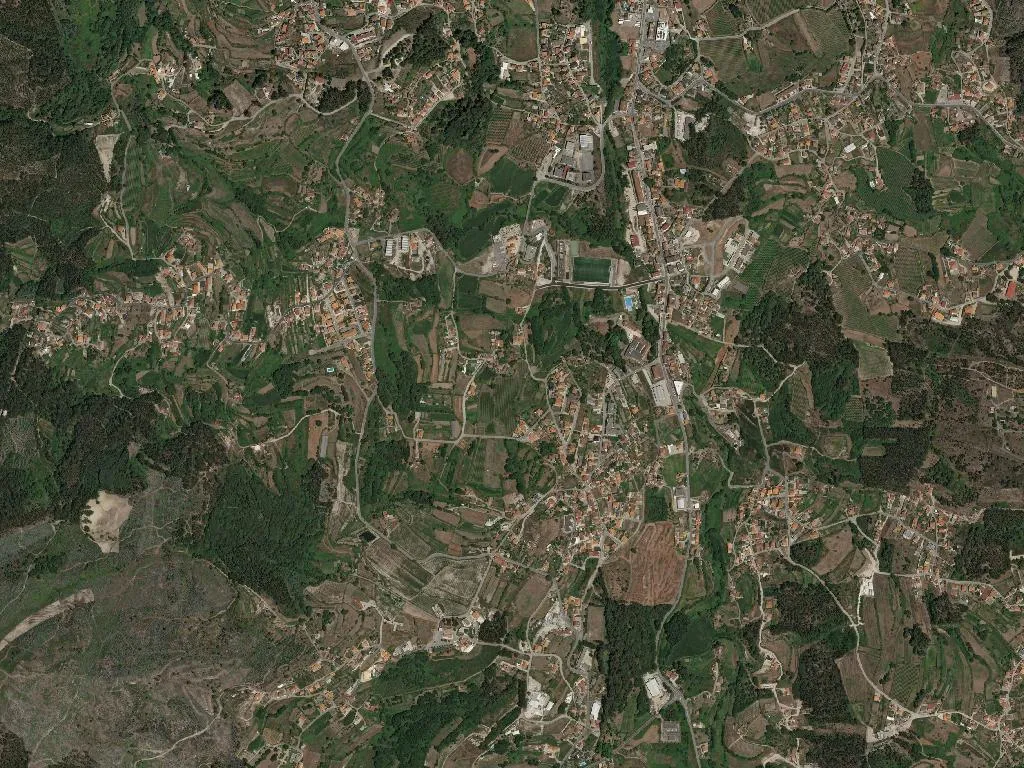
The parish stretches across 10 km² of undulating green at 183 m above sea level—low enough for Atlantic weather to roll in, high enough for vines. There are no belvederes or postcard ravines; instead, the land is pieced together in narrow terraces stitched with low stone walls. Small plots of Loureiro and Trajadura vines clamber up pergolas, while newer houses interrupt the stone with irregular patches of white render. Density is 466 inhabitants per km², yet traffic on the EN106 rarely warrants second gear.
Demography without drama
National statistics from 2021 list 626 under-15s and 856 over-65s—numbers close enough to suggest equilibrium rather than exodus. At 10:15 the bell at EB1 primary ejects a burst of children into a playground that overlooks allotments; by late afternoon the same square fills with retirees comparing supermarket receipts. The parish council keeps offices on Alameda Dona Rosa Branca Archer, but real decisions are taken in Café O Sousa where Zé Manel and Arnaldo’s Wednesday sueca card tournament starts promptly at 16:00.
Wine that never sees a tasting menu
This is the eastern frontier of the Vinho Verde route, yet no bunting advertises “quinta experiences”. Grapes leave the valley in white vans, return as wine in unlabelled garrafões. Senhor Aníbal, pruning 800 vines his father planted in 1983, pours a glass that tastes of green apple and wet stone, then returns to the row without mentioning acidity levels. Broa de milho arrives still warm from the bakery in neighbouring Cête; chouriço hangs in kitchen fumeiros from November until it is sliced, unceremoniously, for Sunday lunch.
The spa you check in to, not stumble upon
If you want the water now, you book a session at the Palace Hotel & Spa: a 76-room, three-star complex built over Roman foundations. Inside, an indoor “dynamic pool” delivers 12 sequential hydro-jets designed, they say, for spinal alignment. Sulphurous, sodic, bicarbonated water is pumped at 38 °C through Vichy showers and ultrasonic nebulisers promising relief for sinusitis, rheumatism and stress. Treatments run year-round; day passes are available, but locals tend to prefer the car park for Sunday gossip rather than the flotation tank.
The sound that closes the day
At 19:00 the church bell strikes once—no call to prayer, merely a metallic note that travels across red-tiled roofs and signals another rotation of small routines. Smoke lifts again, blending with the scent of eucalyptus burning in open grates. By the time the A4 motorway hums in the distance, carrying commuters back to Porto 45 minutes away, the parish has already folded itself into an evening quiet that needs no adjectives.