Full article about Balazar: Where Minho Fog Meats Atlantic Salt
Village hovers at 100 m, cows outnumber pilgrims, fog smells of unseen ocean
Hide article Read full article
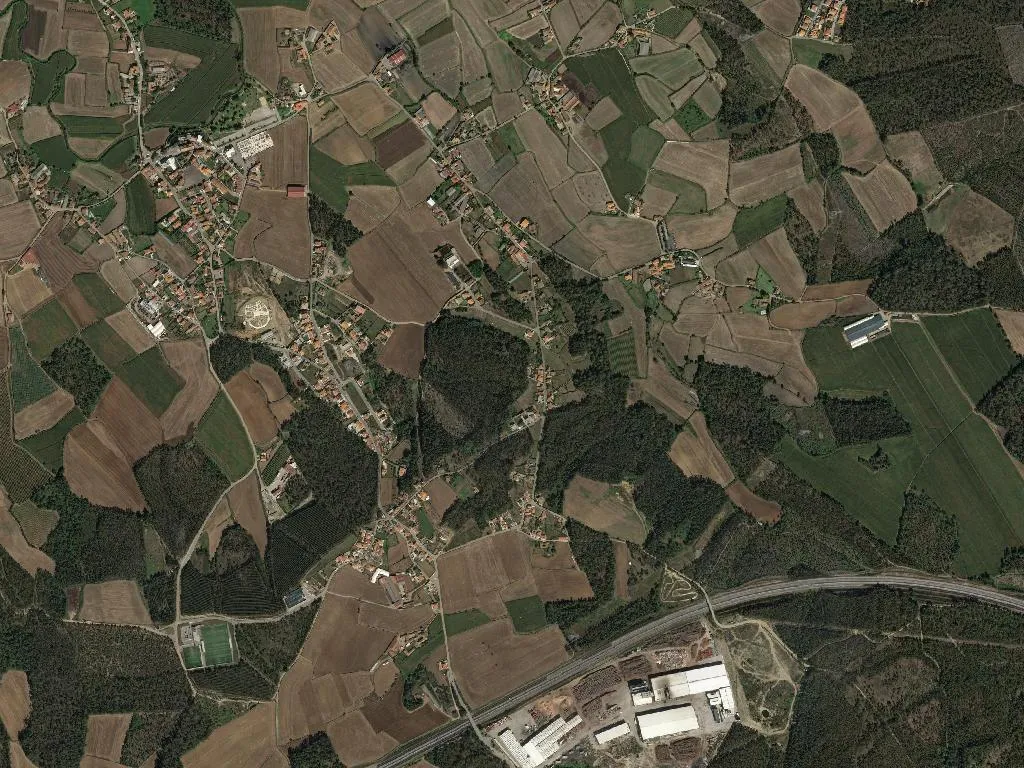
The Minho fog climbs the ridge as if it has an annual season ticket. Balazar hovers at exactly 100 m, suspended between an Atlantic you can smell rather than see and smallholdings that still dictate the daily rhythm. The census claims 2,482 inhabitants, yet the maths shifts with the calendar: August swells the total when Lisbon-born grandchildren flood back, January shrinks it to the hard-core who remember life before the Carnation Revolution.
Where the Camino is still a dirt track
The Portuguese Way of St James cuts straight through the village, but there are no scallop-shell way-markers or €10 pilgrim menus. Instead, a red Massey Ferguson idles on the bend and will nudge you into the gorse if you don’t step aside. The resident mongrel – same family line since 1987 – barks you past the last house. Ask for water at the granite trough and you leave hydrated, informed and gently interrogated: rainfall totals, funeral turn-out, the scandalous price of ammonium nitrate.
In June the parish stages the Romaria da Senhora da Saúde exactly as it did before traffic roundabouts arrived. Locals walk the six kilometres from Rates barefoot or umbrella-ed, depending on Atlantic whim. Afterwards the priest briskly blesses sardines and cornbread while the iron grill threatens to scorch his surplice.
A landscape that still pays the bills
The North Coast Natural Park technically begins here, yet no-one quotes bylaws. What matters is whether the pasture will last the cows until Christmas and if the seed-corn resists blight. Dry-stone walls rise each spring in the same slow-motion game of Jenga: three stones tumble, two are replaced, equilibrium restored. The vines are trained low enough to pick without ladders; their fox-coloured bunches ripen to the exact shade of Sr Albano’s 1970s bicycle, a purchase no one can recall.
Somewhere to sleep without a turndown menu
Three houses offer bedrooms: one belongs to Joaquim, another to Joaquim’s sister, the third to a cousin who exported himself to Zürich and returned with flush toilets and Wi-Fi. Expect iron bedsteads, horse-blanket weight and a kettle that shrieks like a 1950s pressure cooker. The silence is so complete you can hear the wall-clock ticking in the house next door – property of a 92-year-old who swears it has never been serviced since Salazar’s day.
An afternoon that already knows tomorrow’s script
When the sun slips behind the chestnut on the threshing square, cold arrives without warning. Low-watt bulbs flick on, the colour of old newsprint. The scent of kale braised with garlic drifts out, merging with soil still warm from the day. Tomorrow the fog will reassemble, the cockerel will mis-time its reveille, and Sr Artur will unlock the café at seven-thirty – or eight, if he forgets the alarm. Balazar will remain exactly here, measuring the year by the height of the maize and the slow fade of granite from silver to gunmetal.