Full article about Navais: where Atlantic salt flavours every breeze
Follow floral arches to granite cottages, Roman quarries and 350-year pilgrimages in Póvoa de Varzim
Hide article Read full article
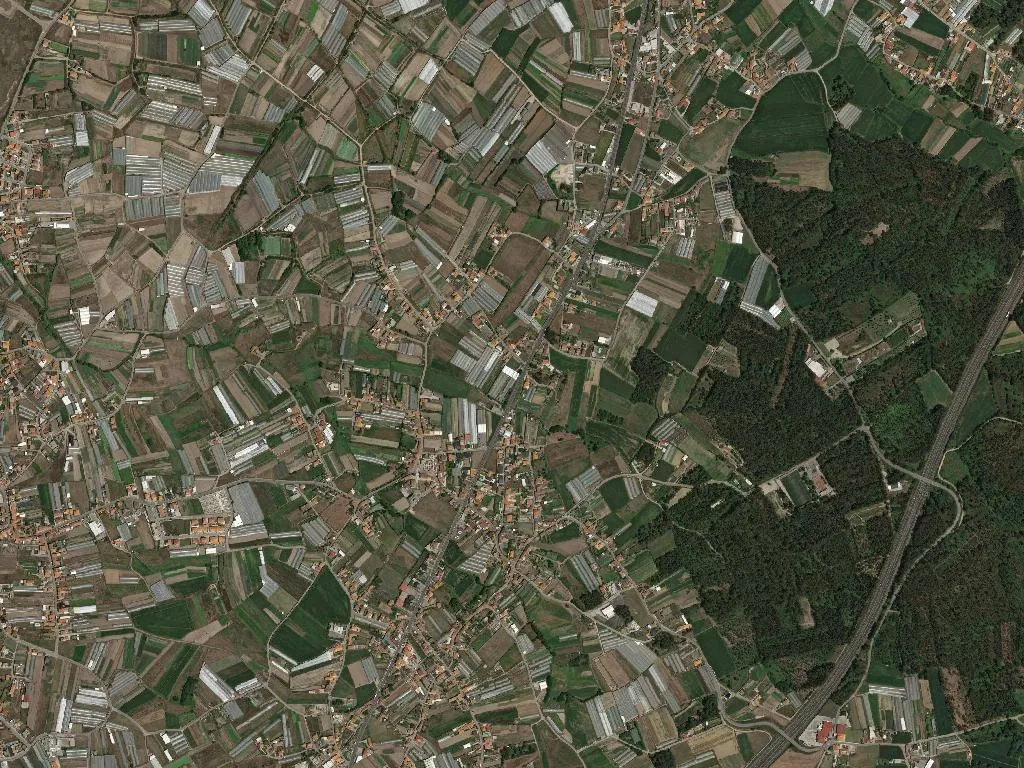
The bell of São Pedro strikes three times across the green terraces. Atlantic air – only a three-kilometre glide to the west – arrives freighted with brine, wet soil and the medicinal snap of eucalyptus. Roosters and the hush of stone-channelled streams finish the job of waking the parish long before the first commuter heads south to Póvoa de Varzim. You never actually glimpse the ocean from most lanes in Navais, yet you taste it in every gust and feel it in the low, quick-moving clouds.
Ship on dry land
The name is a souvenir of Latin navalis, a ship, and the place first appears in a 1292 charter of King Dinis. Earlier still, Romans quarried lime-rich sand at Mina de Santa Quitéria to make the mortar that still holds the mosaics of Conímbriga two hundred kilometres away. Granite cottages, their timber painted the colour of weather-beaten hulls, line the single main road. At the centre rises the parish church, rebuilt in 1727 after an Atlantic storm flattened its medieval predecessor; the 26-metre bell tower is still the highest landmark between here and the coast. A ten-minute walk uphill brings you to the squat, whitewashed Capela de Nossa Senhora da Saúde (1683). Every September its oak doors open for a 350-year-old pilgrimage: worshippers walk the eight kilometres from Rates monastery, rosaries clicking, to fulfil vows made in whispered crisis.
June and September: the ritual calendar
For São Pedro’s eve, 28 June, villagers spend the afternoon threading 1,200 carnations and 800 daisies into seventeen floral arches that span the lanes like scented doorways. By dusk the outdoor kitchens are alight: whole sardines hiss over laurel-scented fires, pots of caldo verde bubble, and folk dancing lasts until the band – the Filarmónica de Navais, founded the same year as Queen Victoria’s Golden Jubilee – packs away its brass at 3 a.m. Two months later the mood changes entirely. The September pilgrimage is measured footsteps and murmured litanies, a sung mass by the choir from Argivai, candle-flame shivering in the wind while elders exchange medical bulletins and grandmothers compare recipes for pão de ló.
Kale soup and morning wine
Navais tables are democratic: ceramic bowls of caldo verde arrive first, the shredded kale almost luminous against potato-thickened broth. Then arroz de sarrabulho – dark, wine-stained rice shot through with pork blood and cumin – and rojão, nuggets of shoulder meat fried in lard until the edges caramelise. The communal bread oven, built in 1932 with bricks from Vila do Conde’s defunct textile mill, works round the clock during festas, turning out pão de milho whose crust crackles like thin ice. Locals drink Vinho Verde young, at ten degrees, from Mafra clay mugs: the Espadeiro grape gives a pale rosé that smells of wild strawberries and finishes with a maritime snap of acidity.
Trails that find the sea
The Coastal Camino cuts a discreet diagonal across the parish. Way-marked granite posts lead you through eucalyptus groves, past smallholdings where maize stands higher than a pilgrim’s staff, and out along the ridge of the 509 municipal road. At Santo André chapel the Atlantic finally reveals itself – a long metallic stripe beyond dunes stitched with sea thrift. About eight hundred walkers register here each year, filling bottles at the Santa Quitéria spring before dropping down to the beach and turning south towards Vila do Conde.
The memory is yeasted
Tradition rises here every Saturday. Dona Rosa, 89, still walks to the communal oven with a cloth-covered bowl of corn and rye dough; her granddaughters arrive later with sourdough started the same way since 1942. The parish roll has shrunk to 2,694 souls, but the primary school keeps two composite classes, the Central Café hosts a fierce sueca card league on Tuesdays, and Sr. Joaquim’s grocery – open since 1983 – stocks everything from fresh coriander to mobile-phone top-ups. Yet the sound that defines dusk remains the same: three slow strokes from São Pedro’s tower travelling the fields, skimming the irrigation channels, and dissolving, finally, into the salt wind that first taught this inland ship how to breathe.