Full article about Covelas: barefoot grapes & dawn concertinas
Covelas village, Trofa: tread Loureiro grapes in the last stone press, wake to carnival concertinas and sleep under pilgrim-stamped skies.
Hide article Read full article
The 5 a.m. whistle and the smell of oak smoke
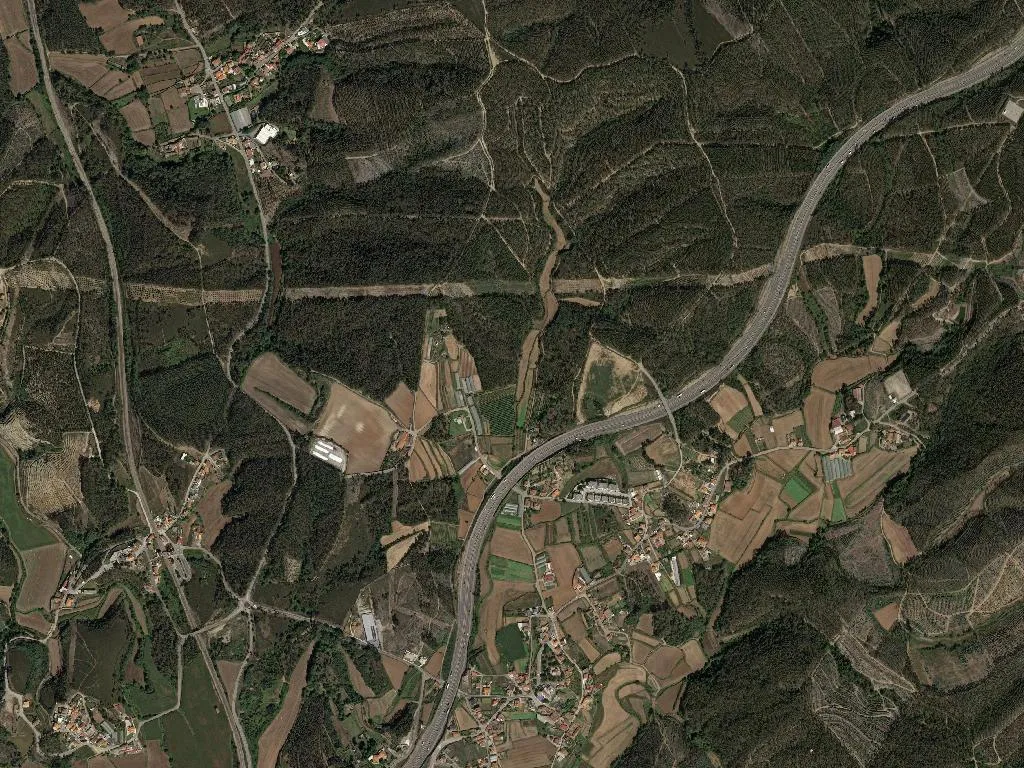
At five sharp the silence on Rua do Cruzeiro shatters—not to a rooster, but to the reedy rasp of Zé Luís dos Santos squeezing his grandfather’s punctured concertina. Muffled figures in striped blankets and zinc masks weave between the granite houses, shaking cow-bells to wake the village for Entrudo, the bruising pre-Lent carnival that northern Portugal never quite forgot. Dawn finds the cobbles still holding last night’s chill, yet oak smoke already leaks from the chimney of Café Central where Dona Rosa has flung a log into the hearth. From this 128-metre perch, squeezed between the chestnut terraces of Quinta das Castanheiras and a cork-oak thicket behind the chapel of Nossa Senhora do Desterro, rural time refuses to synchronise with the nearby EN104. September’s barefoot tread in the communal stone press, the clang of tin pitchers at the Rio Ave levada, the pyre that crackles on the eve of the August fair—all still punctuate the year exactly as they did when the village boasted more donkeys than diesel cars.
Linen paper, bare feet and the last working press in Trofa
Covelas first surfaces in a 1220 royal charter spelling the place “Covellas”—little hollows that now cup the Loureiro vines of the Gomes da Silva family. The parish guards two dwindling traditions: it sits on the Portuguese Coastal Way to Santiago, and its parish priest still stamps pilgrims’ credentials on linen paper hand-made in Vila do Conde’s 600-year-old mill. At harvest the community drags crates of Loureiro down to the stone lagar on Rua do Monte, the only communal press still functioning in the entire municipality. Shoes are kicked off, trousers rolled, and the grapes are trodden skin-to-skin while someone counts the barefoot verses of the old treading song. Free-run juice ferments into light, prickly vinho verde; the pomace is trucked to the co-op distillery where it drips, months later, as fire-water that warms December throats. By spring the new wine appears on the zinc counter of O Tília restaurant, poured beside cubes of pork shoulder rubbed with sweet paprika from Dona Lurdes’s scarlet pepper crop.
Altars of roses and a baroque blaze of gold
The parish church of Nossa Senhora das Dores—listed since 1982—anchors the square. Inside, an 18th-century gilded altarpiece by Braga master André Soares catches candlelight from tallow stubs bought in the village grocer. The main romaria follows 15 August: solemn mass with the local choir, a procession shouldered with white carnations trucked in from São Mamede market, then a thudding bass-drum circle and terracotta bowls of sopa da feira ladled by the cultural association. Eat standing, clutching a wedge of corn broa so hot it scalds your palm. During May’s “Month of Flowers” every corner becomes a scented still-life of garden roses arranged by Dona Guida, while restored schist houses echo with improvised call-and-response singing that dates back to the region’s 19th-century print-works choir.
Just outside, the 1723 chapel of São Sebastião—raised after the plague—keeps glazed tiles in the flamboyant 1660s “Seisentinista” palette, while stone granaries along the Senhora da Graça road store corn the Minho way: narrow, ventilated, moss-capped.
Trails that thread vineyard to river
The Coastal Way enters Covelas on granite flagstones, then peels off through 8 km of orchards and pergola vineyards towards São Martinho de Recezinhos. The Rio Ave forms the southern boundary; in its wetlands you’ll spot grey herons nesting and hear the water-blackbird at dusk above the weir. Quinta do Outeiro—owned by the Magalhães family since they bought the hillside from the Count of Margaride a century ago—opens for tours each Friday at four. Tastings happen between the rows, the valley stepping down in green terraces towards anglers who still land barbel and bordalo. Cyclists can pick up the Rota do Ave, a 12 km dirt track that shadows the river through eucalyptus and vines that change uniform with the season—electric green in April, tawny gold by late October when the cutters move in.
Fried dough, egg-yolk jam and other calories
Beyond the obligatory rice of sarrabulho and minhota pork cubes, locals save appetite for “sapos de massa”, thumb-sized pastries of brittle fried dough injected with Dona Amélia’s egg-yolk doce. Covelas sponge cake—sun-yellow, cloud-light—appears only on Easter morning at Pastelaria Silva; tear it apart with your fingers and chase it with old aguardente from Sr. Joaquim’s cellar.
When the church bell—cast in 1892 at the São Gens foundry—strikes the evening ave-marias and hearth smoke rises straight in the still air, the village reveals itself in small print: the crust of dried mud flaking off a Swedish pilgrim’s boots, the fading echo of Zé Luís’s bell, the rasp of grape-pulp still caught on your tongue. Extraordinary is unnecessary here; it is already pressed into the granite steps, balanced in Sr. Alfredo’s Loureiro bunch, folded into the 4 a.m. gesture of Dona Rosa sliding corn bread into the café oven.