Full article about Gião: River-Mist & Stone-Baked Kid
Vine-smoke drifts over tidal Ave in Gião, where cork-oak lanes lead to baroque chapels and eel-rich
Hide article Read full article
Salt wind without the sea
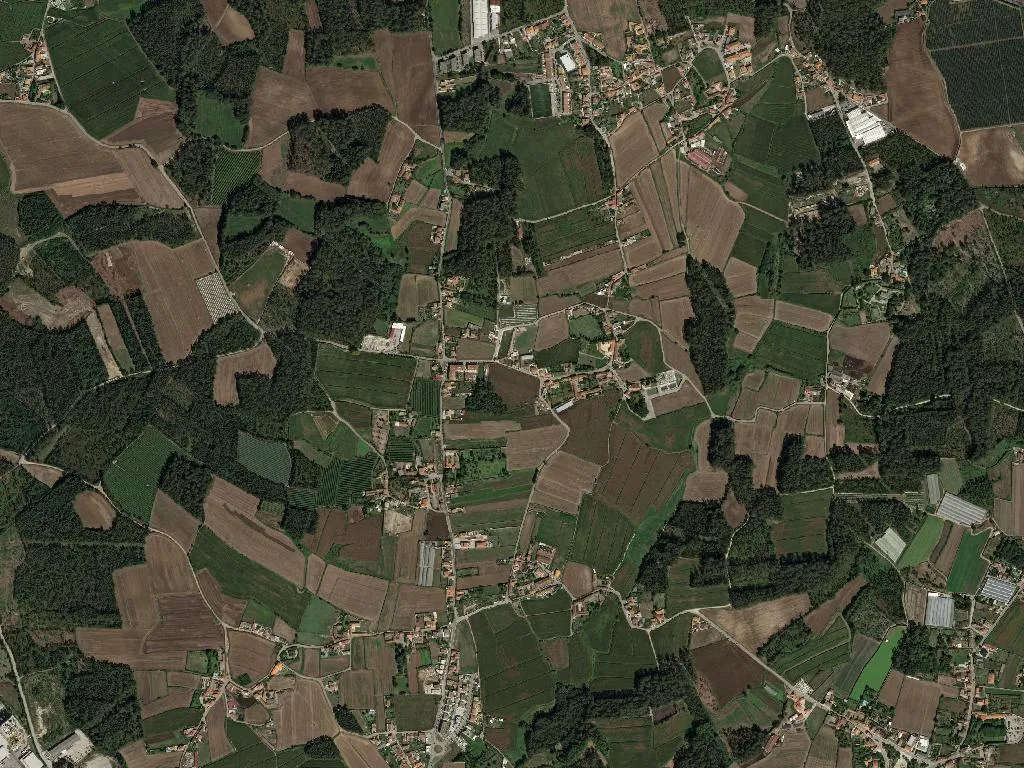
The Ave’s Atlantic breath still carries brine into Gião, though the ocean lies five kilometres west. On fog-slick dawns the maize terraces vanish; only the noon sun slices the veil to expose pergola-trained vines, granite walls and the river’s mercury glide. At a modest 64 m the land rolls in brisk ups and quick, generous downs. Dirt tracks stitch century-old cork oaks. No one rushes. No one ever did.
The river that wrote the script
Charters mention Gião from the 1200s. The name may echo Janus, guardian of thresholds, or a lingering Roman landowner. The tidal Ave turned the parish into a miniature shipyard: fishing, boat-building, river-borne trade. Between the wars Domingos José Moreira – “Mestre Gião” – launched dozens of wooden vessels from the muddy banks. The eighteenth-century Calves bridge still strides its namesake stream, single arch in golden stone.
Stone, timber and procession
Our Lady of Guia commands the village centre: whitewash against grey granite, gilded baroque retables, azulejos pairing saints with caravels. A mile away, the manor chapel of São Bento de Vairão keeps its rustic noble façade. On 11 July accordion-led romarias cross the fields; in Calves, St John the Baptist is ring-fenced by cottage-high granaries. Five stone espigueiros still ventilate drying maize cobs.
Pilgrims and winter herons
The coastal Camino de Santiago slips 4.2 km through the parish, entering over Calves bridge and leaving via São Bento. Yellow arrows flick between schist walls and alvarinho oaks. Winter brings grey herons to the Ave’s reeds and water-blackbirds to its dark pools. Within the North Littoral Natural Park, sea-lark and sharp-rush colonise the western dunes.
Oven and river on the plate
Crisp-skinned kid, slow-roasted over vine embers. Engolido – the local name for sarrabulho rice – thickened with pork blood and offal. Ave eel caldeirada simmered in white wine and coriander. “Sapos” pastries, folded around egg-yolk jam and almond. Vairão sponge, sliced straight from cedar boards. Green wine is poured cool from earthen pitchers, no label required.
Festivals that keep time
First week of September: Nossa Senhora da Guia’s fair, with pop-up taverns, folk dances, candle-lit processions. Second Sunday of January: Senhor dos Navegantes carries the Christ image down to the quay for river blessings. 23 June: São João bonfires and sardine-crackle until dawn.
Past the last house, where oaks replace plots, lies the Poço de Gelo – an ice-house hacked into rock to store fish before refrigeration. Moss-lined and empty, it still exhales a sudden Arctic draught, winter that refused to leave.