Full article about Guilhabreu: Atlantic Vineyards Above Vila do Conde
Granite granaries, razor-sharp alvarinho and a parish bell counting nine at 123 m
Hide article Read full article
The Sound Before the Sight
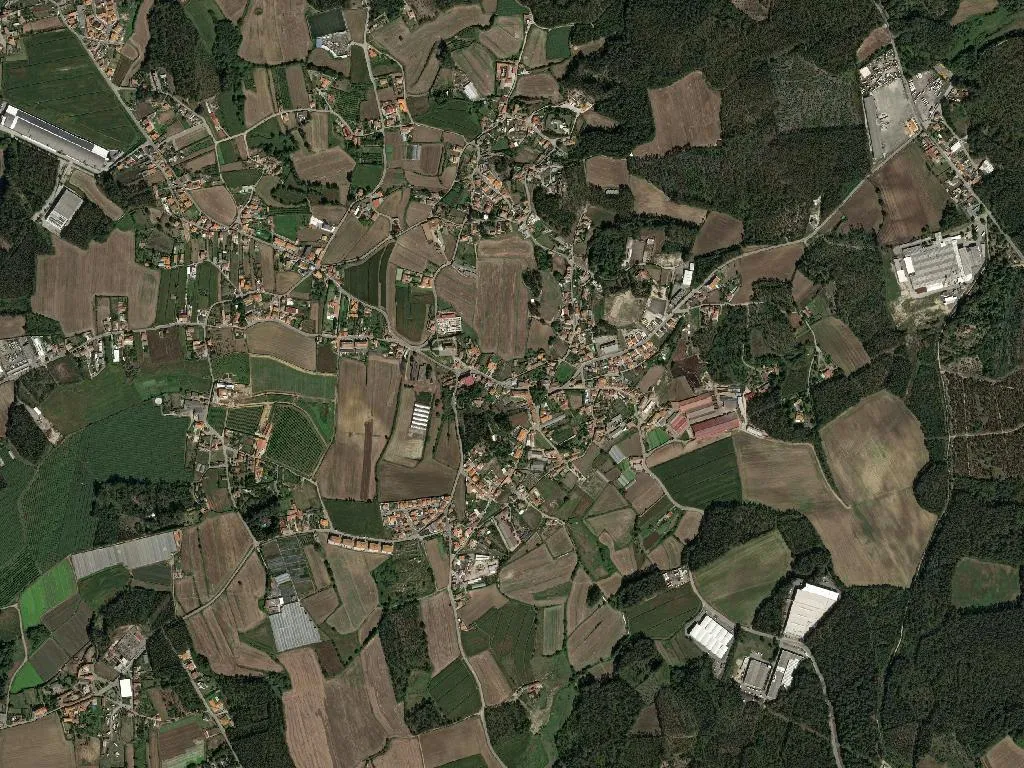
The sound arrives first: a hoe clipping granite, water gossiping somewhere below, the parish bell counting nine. Only then does Guilhabreu assemble itself—vineyards tilting up schist shoulders, maize terraces stitched between granite outcrops, and stone granaries the colour of old parchment catching the first sun. At 123 m above the Atlantic, the land breathes slowly; winter streams carve temporary runnels, then vanish, leaving the oak-rooted alvarinho vines to mine the rock for moisture.
Parish Without a Parish, 1870
Until 150 years ago this scatter of farms paid taxes to the neighbouring council of Maia. A midnight stroke of the royal pen transferred Guilhabreu, Mosteiró and Vilar do Pinheiro to Vila do Conde, redrawn borders that still baffle sat-navs. The name is a linguistic fossil: Guilherme Abreu, a 13th-century landholder, whose “jurisdiction” shrank to this amphitheatre of vines but whose name stuck. Smallholdings—maize for the pig, potatoes for the pot, grapes for the cask—defined life then and, in many yards, still do. The local co-op, founded 1958, bottles the same Atlantic recipe: low alcohol, razor-edge acidity, a whisper of salinity that makes English sauvignon blanc feel timid.
Baroque in Granite & Tile
The parish church of São Tiago wears a 1730s façade of local stone, its interior blistered with gilded wood-carving that would make a Lisbon jeweller blink. Eighteenth-century blue-and-white tiles narrate the martyrdom of St James in comic-strip panels; glance left and you’ll spot Herod at supper, glance right and the executioner warming up. Outside, a 17th-century stone cross marks the spot where processions pivot. Two country chapels—São Bento de Vairão and Nossa Senhora da Guia—host the year’s loudest weekends: open-air Mass followed by cake auctions, accordion bands and fireworks that ricochet through the valley like loose gunshot. São Bento’s fair falls on 11 July; Nossa Senhora da Guia closes the agricultural calendar the first week of September with a candle-lit procession and enough rockets to wake the Atlantic.
A Footnote on the Coastal Way
Guilhabreu is an official waystation of the Caminho de Santiago da Costa. Pilgrims break here for coffee and first-aid before the final 12 km push to Vila do Conde and the glittering mouth of the Ave. The waymarked loop follows the stream up to São Bento de Vairão—five kilometres of eucalyptus cathedral, cork oak scrub and pine that smells of sun-baked resin. The only soundtrack is boot-gravel and the blackbird practising scales.
Kitchen Smoke & Barrel Rooms
In winter kitchens the smoke of oak-fired rojões (pork belly flash-fried then mellowed with chestnuts) drifts into the street. The local chouriça, smoked over the same wood, gives caldo verde a bass note you won’t find in city versions. Rice cooked in pig’s blood—sarrabulho—arrives almost black, demanding a glass of red vinho verde to slice through the richness. Yet the parish’s edible CV is crowned by sponge: pão-de-ló de Guilhabreu. Baked in wood-fired ovens, the cake rises improbably high, its crumb still steaming, edging toward custard. Vila do Conde’s town hall once boxed the cake as the official gift for visiting dignitaries; you’ll find it at regional fairs, wrapped in parchment and urgency.
In hillside cellars the same growers pour stainless-steel-fermented loureiro alongside brandy aged in old port pipes. Ask nicely and you’ll leave with a nip of licor de erva-príncipe, a marsh-mint digestif distilled from plants foraged along the stream, served in a thimble-sized glass that tastes of cold dawn and wet stone.
Dusk settles vertically: chimney smoke climbs without a breeze, granite glows copper, the invisible stream keeps its soft commentary. No one suggests hurrying; the bells will tell you when to move, the scent of woodsmoke when to eat, the last shard of sponge when it is time to be content.