Full article about Vilar de Pinheiro: Iron Discs & River-Mist
Malha clacks, azulejos gleam and vinho verde vines shimmer above amphibian fields in Vilar de Pinhei
Hide article Read full article
The iron discs arrive first
The iron discs arrive first. They hiss across the swept-earth square and strike the wooden pin with a crack that sets the sparrows flying. Around the pin, men in berets keep score of malha—a lawn-size cousin of boules played with blacksmith’s currency—while concertinas wheeze out a polka that drifts through the afternoon heat. Vilar de Pinheiro, population 2,562, moves to that rhythm: unhurried, audible, content to let the coastal pilgrims hurry past on the Portuguese Caminho.
Between the Ave and the Atlantic
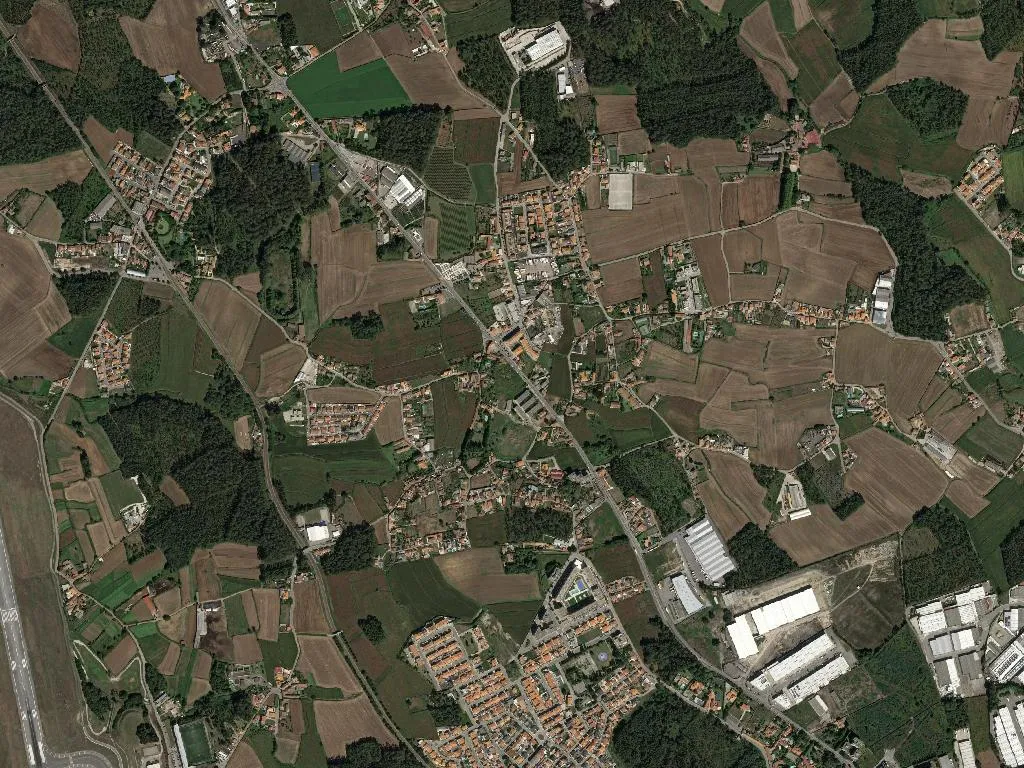
The parish sits only 55 m above sea level, yet the landscape feels amphibious. To the west, the River Ave slips into the Atlantic through the reed beds of the North Coast Natural Park; to the east, low corduroy ridges carry vines trained high on wires in the Minho fashion for vinho verde. On misty mornings eucalyptus bleeds its cough-sweet scent into the salt air; when the sun burns through, granite threshing platforms grow hot enough to scorch bare feet.
The 16th-century mother church, a National Monument, wears a Manueline doorway carved with ropes and seaweed. Inside the little Chapel of Nossa Senhora da Guia, 17th-century azulejos picture the Virgin calming a storm-tossed caravel—an image the town re-enacts each July when the flotilla of Senhor dos Navegantes drifts downriver, brass band on deck, fireworks ricocheting off the water.
Pilgrims and parish fireworks
The Coastal Way enters from the north, skirting stone walls padded with moss. Eight kilometres later it reaches Vila do Conde, but walkers who pause here in May meet the Festa de Nossa Senhora da Guia: processions, rock-candy stalls and a brass band that rehearses all winter for the occasion. June brings São João’s bonfires and the scent of charred sardine drifting through the lanes; in October the romaria to São Bento de Vairão fills the lanes with accordion-led chulas and skirts of scarlet wool.
Wood-oven flavours
Goat still goes into the wood-fired ovens, rubbed with rosemary and garlic, served with potatoes that have dried in their skins until wrinkled. Rojões—cubes of pork marinated in white wine and colorau—arrive sizzling on slices of corn broa, the fat staining the yellow crumb sunset-orange. The dark, viscous sarrabulho rice—thickened with pig’s blood and cumin—demands a lightly sparkling vinho verde from Quinta da Paradela two kilometres up the road. Dessert is a cloud of papos-de-anjo—yolk-rich little cakes bobbing in syrup—washed down with aged aguardente that tastes of honey and fire.
Pine, water and what endures
The watermills along the Ave have stopped turning, but their granite arches still interrupt the undergrowth like broken aqueducts. In back-garden workshops the same maritime pine that names the village—Villa Pinorum in the medieval rolls—becomes spoons, chopping boards and naïve saints carved for the emigrant suitcase. Out on the drying terraces the malha irons clink again, the sound rising past the corn cobs that hang from balcony rafters like strings of fat cigars.
When the church bell strikes noon the note rolls over the vines until it meets the river’s slow murmur, and for a moment the only other sound is iron on wood: another direct hit, another argument settled, another afternoon stretching quietly ahead.