Full article about Grijó: where granite clocks toll thrice daily
Vila Nova de Gaia’s stone hamlet feeds pilgrims blood-rice & angel-chins before Porto’s glow
Hide article Read full article
Grijó: granite keeps the hours
The bell in the parish tower tolls only thrice: 7 a.m., noon, 7 p.m. Beyond that, silence settles over the EN507, the single carriageway that threads through Grijó. From Porto's cathedral quarter it's a 20-minute dash if the A44 behaves; walkers arriving on the Portuguese Camino follow yellow paint splashed on kerbstones and the backs of road signs. Both contingents meet over espresso at the Intermarché café, rucksacks parked against pallets of bottled water.
Stone on stone, century on century
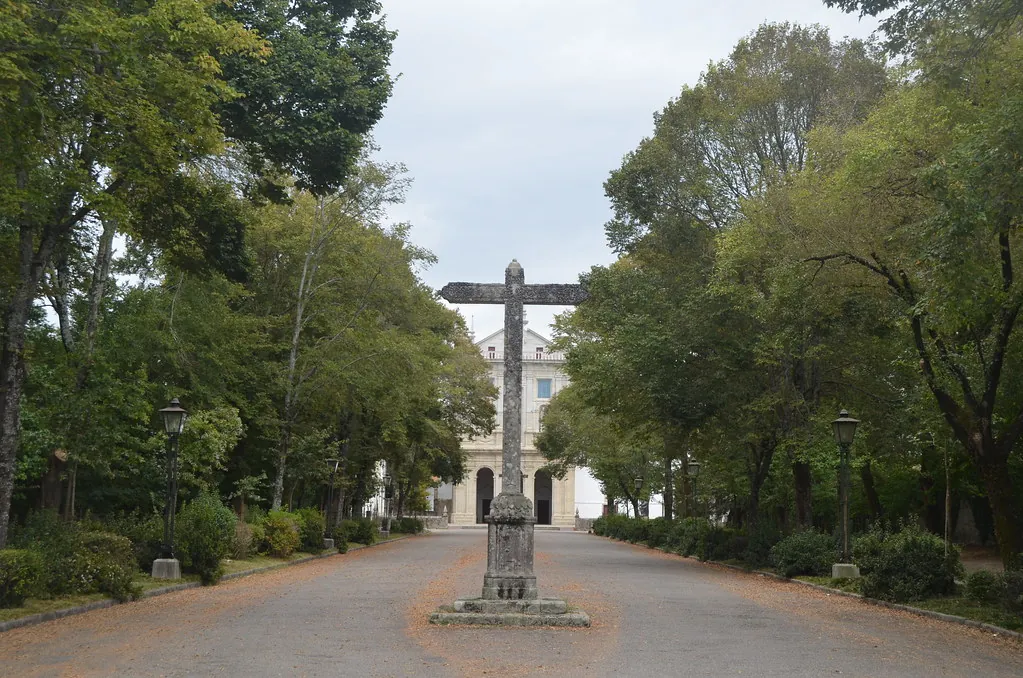
The Matriz unlocks at nine. Armindo, key-ring jangling from a canvas belt, shuffles ahead in supermarket trainers. Eighteenth-century gilded carving glints in the gloom; the barrel ceiling smells of cedar and candle smoke. Outside, a granite cross sinks centimetre by centimetre into the earth. Parish archives insist 1220; historians trace the name to the medieval Grius clan; locals shrug and say simply Grijó.
Two caminos, one crossroads
Here the Central and Coastal routes converge. Pilgrims duck into O Padrinho for free tap-water and a pastel de nata still warm from the tray. Seven guest rooms are listed online (€15–25); the municipal albergue, twelve bunks behind the church, bolts its door at 22:00. Campers can pitch beside the Grijó stream for €5; hot showers included.
Sarrabulho, angel's double-chins and summer smoke
Only one restaurant cooks seriously: Típico da Gafanha, wedged between the agricultural co-op and a tractor showroom. Phone ahead (227 850 940) for sarrabulho—pork-blood rice—served Wednesdays and Saturdays (€9). Sunday is cozido day. Conventual sweets—papos-de-anjo, ovos moles rolled into "trouxas"—come from Café Central (€1.20 / €0.90). September's Nossa Senhora da Saúde fair and June's São Pedro binge both plant neon-lit stalls along the EN507; concert tickets €5 on the night, €3 presale.
A countryside that endures between two worlds
Grijó is neither Douro manor-house country nor city suburb. Its 1,133 hectares unfold as smallholdings and granite-walled smallholdings trapped between Porto and the Atlantic. STCP bus 901 departs Trindade hourly; 35 minutes later you're at the parish boundary. The pharmacy shutters drop at 19:30; the health centre sees patients weekday mornings only. Hospital das Clínicas in Matosinhos is 25 minutes by car, 45 by public transport.
Arriving by car: free parking on the square. On foot: obey the yellow arrows. Planning to eat: reserve the blood rice. Planning to sleep: bring a sleeping bag—nights can drop below 14 °C even in July.