Full article about Sermonde: where Atlantic breezes cool loquat roofs
Six thousand neighbours, one bell, fifteen-cent bread—life on Porto's plateau edge
Hide article Read full article
Sermonde, where the plateau exhales between two journeys
At eight o’clock the church bell vaults the rooftops and finds no valley to cradle it. Instead it rolls across the gentle swell of the plateau, softens when it brushes the loquats in Seixo’s back garden, then drifts from open doorway to doorway. One hundred and four metres of altitude is hardly Alpine, yet up here the air carries the iron scent of newly-turned earth and, when the nortada blows, a whisper of Atlantic salt from eight kilometres away. Ten minutes by car from Vila N Gaia’s shopping malls, but the tower clock keeps its own slow time: enough for cockerels to finish their commentary while São João station is already hooting commuters to work.
A weave of close-knit lives
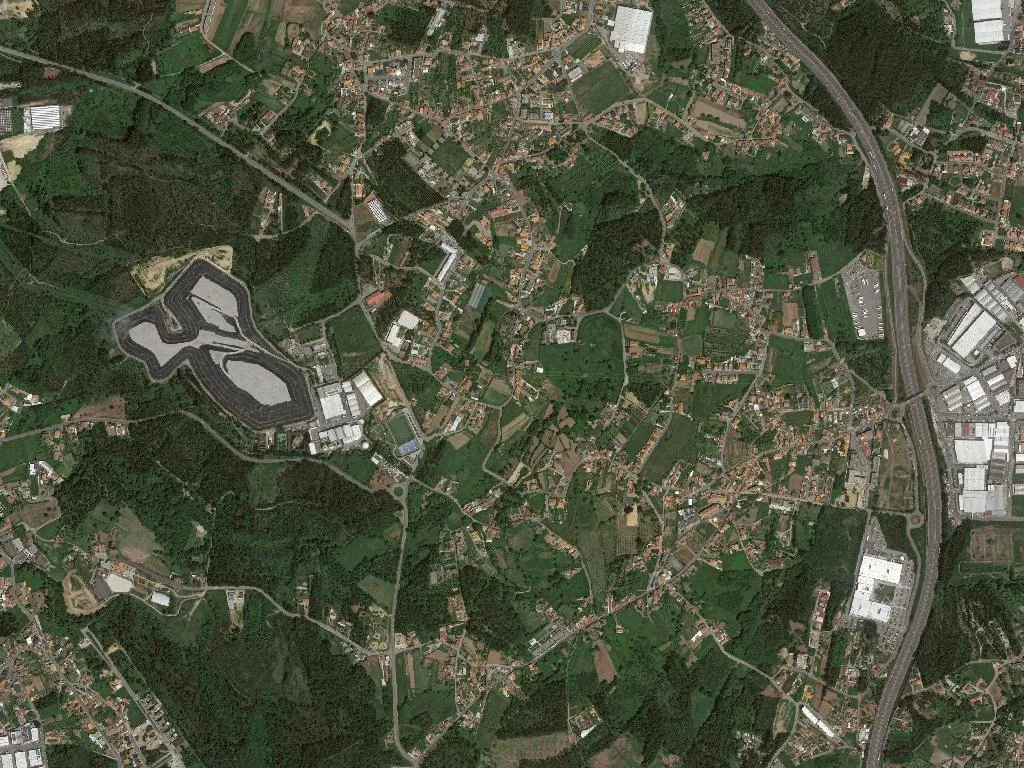
Sermonde fits into 165 hectares with room left for a cabbage patch or two. Six thousand and nine souls sounds dense, yet the streets behave like a village: windows open, weather is cross-examined, news requested of the neighbour’s mother recuperating in Oliveira de Azeméis. Rua Direita – straighter in name than in fact – pinches to a single car’s width where Leitão executes a three-point turn into his garage. There are 828 children on the books, but you are likelier to meet Dona Aurélia, 87, descending at half past eight for her fifteen-cent loaf, scattering conversation like seed. Bus 9021 is the only umbilical to the bridge, so 07.25 tastes of diesel and leave-taking: “Tomorrow I’ll bring you oranges from the garden.”
There is, officially, a guesthouse – the blue house by the football pitch – yet visitors find themselves hauling washing off the line when rain threatens, as though civic duty is transferred with the keys.
Three feasts, three ways to belong
Nossa Senhora da Saúde, second fortnight of September. As soon as the alheira sausages are hung, the men erect the chapel arch beside the mother church and the women unfurl a canopy of coloured bulbs that will tremble above the procession. Inside, candlewax drips in drops that smell of school satchels. When the cortejo turns into Rua do Calvário, the priest halts traffic with an open hand, as if cradling a dove. Afterwards, warm bôlas de massa preta – midnight-black dough buns – are dispensed; two per person, no exceptions.
São Pedro, late June. Summer smells of sardine grease that lingers in hair for days. Beneath the association’s awning, tinto flows from five-litre flagons and the dance pauses only when Quim Barreiros’ record scratches. At midnight boys flick the ribbons from their hats into the bonfire – promise kept, eyes dry.
São Gonçalo & São Cristóvão, third Sunday in May. The brass band has rehearsed since April in the Cine-Teatro, so the cornet already splits before the nine-o’clock mass. The saint’s litter edges along the EN532, pausing two minutes outside Café Primavera so patrons can raise a glass. Santiago-bound hikers tap their walking poles and wave; they know the travellers’ saint keeps a seat for them here.
Where pilgrims cross paths
The Central Way climbs Rua da Igreja, detours around Piloto the dog asleep on the pavement, and meets the Coastal Route at the Cruzeiro de São Gonçalo – a 1742 stone cross, chipped but still waxy with fulfilled vows. Underfoot the soundtrack changes: loose slabs that squeak past the primary school, patched tarmac by the tennis court. Climb a hundred metres without your knees noticing, mouth drying as the scent of freshly-ground coffee drifts down from the Sequeira roastery.
Plateau between city and field
No belvedere with pennants here: simply lift your eyes from the church porch. Eastwards, the Santa Justa ridge is cut-paper sharp; westwards, the sky swings open like a barn door. Nature arrives in filaments: irrigation rills ticking beneath vegetable plots, wild figs oozing purple onto chins, grandfather-planted olive trees still yielding oil for half the parish. April air is thick with orange blossom; October smells of chestnuts splitting on the salamander.
A lightness that needs no stage
Sermonde does not court likes. It asks only that you latch the gate quietly, take your turn sweeping the street on Monday mornings, save a crust for the neighbour’s cat. The spectacle is the loop: Café A Toca opens at seven, the 9021 wheezes past at 07.25, the bell strikes eight, and by one minute past Dona Aurélia has negotiated her stair-ramp. No ticket office, no tourist kiosk. Only the certainty that tomorrow the same hush will fit itself between two chimes – and, for those who stay, that is already enough.