Full article about Carvalhal’s Oak-Rooted Heartbeat Above the Tejo
Silent ridge where bark-scarred trunks outlast erased parish lines and peppery olive oil flows
Hide article Read full article
The Silence Has Weight
At 198 metres above sea level, the hush of Carvalhal feels physical. The air presses down, laced with the sour-sweet breath of composting oak leaves and the iron tang of red earth that stains leather soles within minutes. These are the same cork-trunked trees that christened the settlement centuries ago, their bark fissured like dried riverbeds, their roots gripping the sandstone as stubbornly as the 531 people who still call this ridge home. In 2013 the civil parish was officially erased, swallowed by neighbouring Adão in a bureaucratic tidying-up exercise. Yet maps drawn in Lisbon matter little here: the name survives on lips, in letterboxes, in the instinctive tilt of the head when anyone asks where you’re from.
A Name Written in Timber
“Carvalhal” simply means “oak-place”, a Latin echo — carvallum — that turned geography into language. The first surviving charter dates from the 15th century, though shepherds probably wintered here two hundred years earlier, when Portugal’s border still rippled under Castilian pressure. There are no Manueline monasteries or castellated keeps, only the quieter monument of continuity: a word that outlasted feudal dues, Napoleonic foraging, Salazar’s wheat levies and, finally, the stroke of a pen that deleted the parish council. Speak the name inside the grocery and you’ll see what sovereignty means: a micro-nation the size of a heartbeat.
Liquid Gold of the Tejo Valley
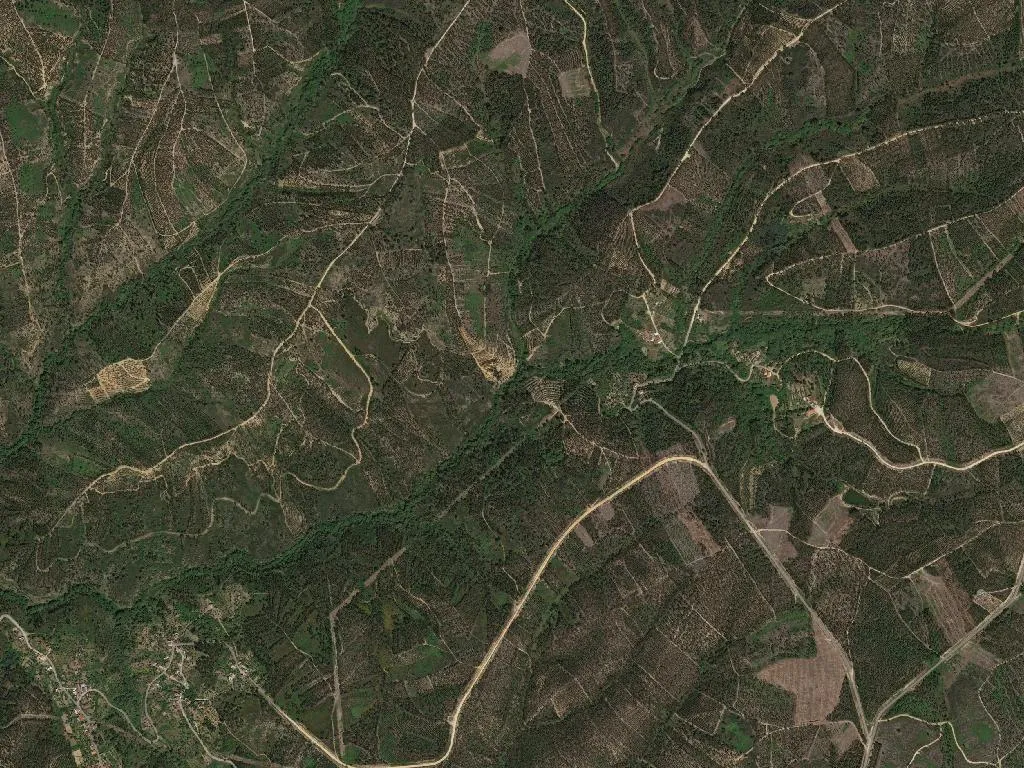
Carvalhal’s 1,754 hectares lie wholly inside the Ribatejo Olive Oil DOP, and the groves stitch silver-green corduroy across every slope. Pressed within hours of harvest, the local oil registers 0.2 % acidity, a peppery burn at the back of the throat that marks out Tejo-side fruit. Rows of vines follow the same undulations, their grapes funnelled into cooperative cellars in Abrantes where Alicante Bouschet and Castelão ferment into table wines that rarely travel beyond the municipality. Breakfast here is toasted wheat bread dragged through last year’s oil until the crust glows amber — a flavour that tastes of soil statistics and rainfall graphs translated into greaseproof paper.
The Arithmetic of Staying
The 2021 census reads like a whispered warning: 30 residents under fourteen, 221 over sixty-five. At barely thirty souls per square kilometre, distance itself becomes architecture — neighbours spaced like chess pieces, a tractor on the road an event worthy of a raised hand. Yet abandonment is the wrong word. Fields are still ploughed in rectangles that respect medieval boundary stones, and the three registered guesthouses are simply spare rooms with cotton sheets and a kettle: you sleep as a borrower, not a client. Time is measured by olive-fly cycles and the date the first swallow revisits the barn eaves, not by commuter trains.
The Texture of an Ordinary Monday
There are no signed trails, no selfie-decked viewpoints, no river gorges to supply drama. Instead, the appeal is granular: the give of moss under boot, the way slate walls exhale morning mist, the creak of a gate whose hinge has never seen a hardware superstore. Light at dusk slants through the canopy like cognac through crystal, turning bark into molten cork. Inside the single grocery, Carlos lifts the shutter at seven-thirty; by eight Dona Amélia has collected her thrice-weekly loaf, still vaporous from the wood oven in Entradas. Over two outdoor tables at Rossio café, the village quietly reallocates labour: who needs an extra pair of hands at harvest, whose hip is playing up again. Carvalhal refuses the camera’s hunger. It asks only that you walk slowly enough to hear a wooden latch drop home, to feel dawn’s damp creep through denim, to understand that some borders are drawn in sound, in scent, in the stubborn repetition of a syllable no bureaucrat can silence.