Full article about Martinchel: Where Olive Oil Runs Through Schist Veins
Stone mills, 1887 groves and Blue-Flag river pools guard Abrantes’ oil village
Hide article Read full article
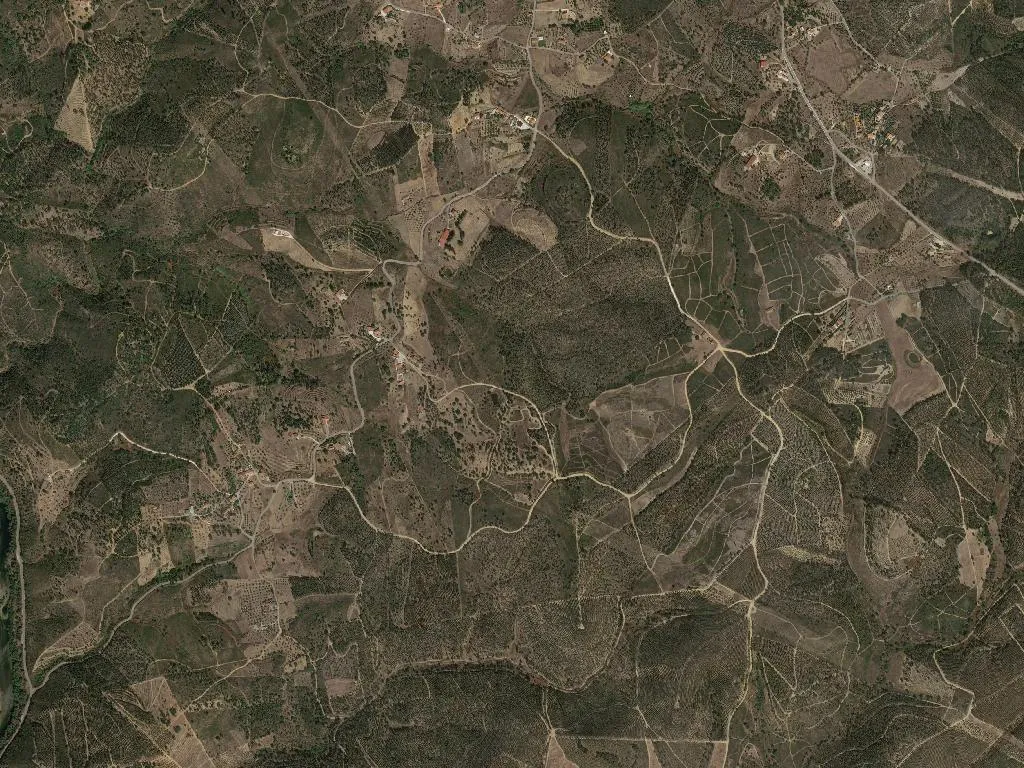
Hot olive oil on cloud-puffed bread drifts through the communal press of Martinchel. Inside, a cork-oak beam – the same one since 1792 – groans in a rhythm that feels older than the kingdom itself. Beyond the doorway, schist terraces of olive trees climb toward the Serra de Martinchel, and morning light sparks gold from the silvery leaves of centuries-old galegas. Between Abrantes and the Tagus, 488 people keep an antique gesture alive: pick, press, fill the clay amphora, bottle the year.
Built on oil
The village owes its name to a Visigothic landowner called Martim, but its reputation to olive oil. Martinchel was formally raised to a parish in 1537 when the limestone-and-manueline mother church of São João Baptista acquired its baroque altarpiece. Oil rents rebuilt the settlement after the French sack of 1807, and today DOP Azeites do Ribatejo—galega and cobrançosa cultivars only—still squeezes through granite millstones. In the Vale de Figueira, forty-seven trees planted in 1887 continue to fruit; their trunks are as twisted and broad as stone pillars.
A medieval bridge, patched up after the 1755 earthquake, carries you over the Ribeira de Martinchel to a restored water-mill and the ochre-and-schist cottages that punctuate the valley. Father Joaquim de Sousa Ferreira, parish priest for forty-two years, left the village its school and graveyard; Manuel “O Azeiteiro” Lopes, who died in 1987, left technique and memory. A statue of him stands by the lagar, honouring the man who refused to let the wooden-shaft press die.
River pools, stone mills and sung poetry
Martinchel’s river beach is the only Blue-Flag stretch of fresh water in the municipality of Abrantes. Natural pools fed by winter rains fill in April and May; by afternoon the soundtrack is nothing louder than blackbirds in the strawberry-tree thicket that guards the spring. Footpath PR 2, the “Olive-Oil Route”, loops six kilometres past watermills, centenarian groves and the Miradouro do Frade, where you look south to the Tagus and north to a quartzite ridge smothered in rock-rose.
During the October-November harvest, workers still trade cantigas ao desafio—improvised call-and-response verses—while they comb fruit from the branches. On the eve of São João (23 June) bonfires flare in the churchyard, fish stew is ladled from iron pots, and locals once staged the “burial of the cod”: a satirical procession in which a dried fish was mourned, resurrected and finally eaten. The romaria of Nossa Senhora da Conceição, held on the Sunday following 8 December, brings open-air mass, procession and an evening dance with accordion-driven música popular.
Clay-pot goat, cinnamon fritters and ribatejano fado
The kitchen runs on DOP oil, lamb and kid. Chanfana—goat slow-cooked in red wine and black pepper—simmers in a clay pot and arrives with slate-baked bread; tomato soup is sharpened with fresh mint and a poached egg; olive-oil-and-cinnamon fritters nicknamed “Abrantes dreams” appear with coffee at Adega do Lagar. On the last Saturday of each month António “Tonel” Silva, local builder of cavaquinhos (small Portuguese guitars), plays fado ribatejano between the stone walls. Sheep’s cheese cures in fig leaves; pumpkin-and-almond conserve finishes the meal, washed down with crisp Fernão Pires from the Tejo region.
The Casa do Povo arranges visits to the communal press: you’ll taste new oil poured over warm, hollow-centred bread and, if you come in autumn, help rake the pulp during a lagarada. Population density is 28.59 souls per square kilometre, which translates as silence—footsteps echoing along the calcada, the wooden shaft creaking, the scent of wet schist after September’s first rain. When the low sun strikes the terraces, oil glistens in open jars like small golden mirrors, and you understand why locals call Martinchel the “Liquid-Gold Village”.