Full article about Rio de Moinhos: White Hamlet Above the Tagus
Olive-oil scent drifts through whitewashed lanes where a 16C pillory posts funeral times.
Hide article Read full article
The White Hamlet That Time Forgot
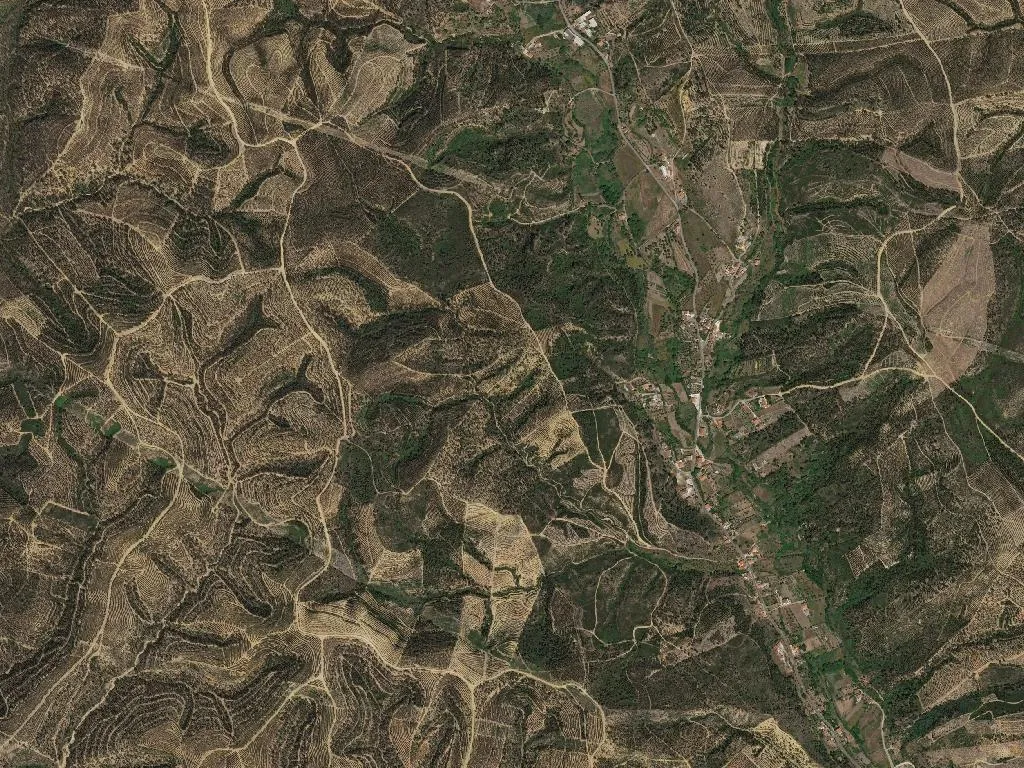
The N118 corkscrews through olive terraces until, without warning, Rio de Moinhos materialises: a clutch of whitewashed houses balanced on a limestone ridge 162 m above the Tagus plain. No road signs announce it; the only clue is the sound— or rather the absence of it. No grinding of millstones now, just the low hum of cicadas and a single dog announcing your arrival to 952 residents, most of them old enough to remember when the river mills still turned.
Olive Oil and Earth
Between October and December the settlement’s calendar is dictated by the Azeites do Ribatejo DOP harvest. Pick-up trucks bounce along farm tracks, their flatbeds piled with plastic crates of cobrançosa and galega olives that will be milled within hours. Walk into any lagar and the air is thick with the metallic-green scent of fresh polyphenols; the oil emerges the colour of liquid topaz, bottled on the spot and sold for €8 a litre to anyone who asks.
The Tagus lies six kilometres south, close enough to soften the nights and pull morning mist up the valleys. It’s a frontier climate: not quite ribatejo marsh, not yet alentejo plateau, and the architecture follows suit—granite quoins on chalk walls, Roman tiles above Manueline window-frames, all of it fading gently in the sun.
Stone Memory
Rio de Moinhos’ classified monument is easy to miss. The sixteenth-century pelourinho stands shoulder-high beside the parish hall, its granite shaft eroded to a dull polish by four centuries of casual leaning. Once it marked the village’s right to dispense justice; today it functions as an informal noticeboard for funeral times and olive prices. Look closer and the street plan reveals itself: a medieval spine ending at the mother church of Santa Eufémia, side alleys tapering into footpaths that once led to watermills, now roofless but traceable by the scent of wild fennel growing where the wheels turned.
Where to Eat
There is no restaurant, and that is the point. Stop at the Intermarché in Abrantes for a loaf of boroa, then knock on the door of the first lagar you see—most will sell you a half-bottle of yesterday’s oil and a fistful of new-season olives. Drive three kilometres north to the Caramanchão viewpoint: cork oak shade, Tagus glittering below, and a picnic that tastes of the trees you’re sitting among.
Where to Stay
Six dwellings—converted haylofts, a primary-school-turned-guesthouse, one 1850s manor—are listed on the parish website, keys handed over by owners who live next door. Expect stone floors thick with rug, no televisions, and a breakfast tray that arrives when the bread is ready, not when you are. Rates hover around €70 a night, cash only, Wi-Fi optional.
What to Do
Come for the harvest: pickers still beat the higher branches with long canes, nets spread like giant spider webs beneath each tree. If you prefer wildflowers to tractors, the Ribeira de Reguengo trail leaves from the church gate—7 km of red-earth track that drops to an abandoned watermill where kingfishers nest in the millrace. Bring shoes with grip; the return climb is 200 m of limestone scree. Your reward is a glass of Quinta do Casal Branco’s Fernão Pires, crisp enough to make the uphill fade worthwhile.
Stay until dusk. When the sun skims the Tagus the white walls turn honey-coloured, swallows stitch the sky above the belfry, and the village loudspeaker crackles with the evening hymn—someone’s birthday, someone’s saint. Rio de Moinhos does not offer sights; it offers duration. The clock in the tower has kept the same time since 1932, and nobody sees a reason to change it.